Mahatma Gandhi Ignited Bundelkhand’s Freedom Struggle From an Ancestral Mansion’s Veranda
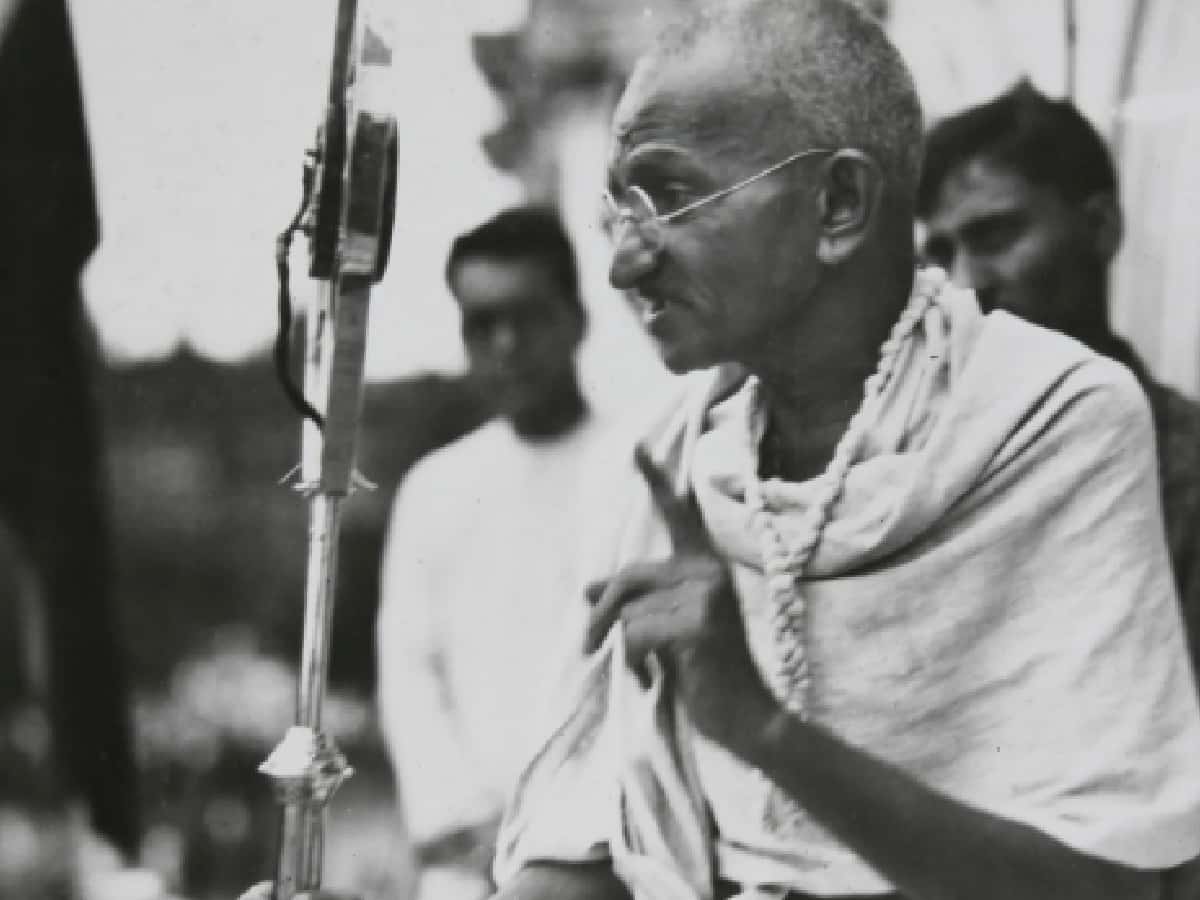
Exactly 97 years ago in 1929, the quiet township of Rath in Hamirpur district, Uttar Pradesh, was thrust into the center of India's freedom struggle when Mahatma Gandhi arrived to sow the seeds of mass civil resistance across the rugged terrain of Bundelkhand. Traveling to the Khushipura neighborhood, the Father of the Nation stayed overnight at the ancestral haveli of the municipal council’s then-chairman, Seth Hiralal Agarwal. Eschewing luxury, Bapu sat cross-legged on the floor of the open veranda to eat his simple meals, turning the humble residential portico into an open council of revolution. Speaking from a circular stone platform within the courtyard to thousands of villagers and freedom fighters, Gandhi issued a stirring call for non-violent resistance against British colonial dominance, setting off a political awakening that transformed Bundelkhand from a dormant region into an active bastion of the Indian national movement.
Grand Welcome in Khushipura: Flower Showers and a Circular Platform of Resistance
When Mahatma Gandhi arrived in Rath in 1929, the town witnessed an unprecedented outpouring of public devotion and patriotic fervor:
-
Streets Carpeted with Blooms: Citizens and regional volunteers lined the unpaved streets of Khushipura, showering fresh flower petals along Bapu’s entire path as he made his way to the haveli of municipal chairman Seth Hiralal Agarwal.
-
Veranda Council and Floor Dining: Demonstrating his characteristic asceticism, Gandhi dined on the stone floor of the mansion's veranda alongside local volunteers, engaging in intimate discussions about rural poverty, Swadeshi handloom weaving, and colonial oppression.
-
The Historic Copper Plate Gesture: To commemorate the momentous occasion, Seth Hiralal Agarwal and the town's citizens presented Mahatma Gandhi with an engraved ceremonial copper plate (tamrapatra); in a touching act of humility, Gandhi accepted the honor and promptly handed the heirloom back to Seth Hiralal for safekeeping on behalf of the township.
-
Mobilizing Bundelkhand’s Vanguard: From the circular masonry platform inside the haveli, Gandhi addressed a gathering of thousands, directly conferring with prominent regional revolutionaries, including Diwan Shatrughan Singh, Pt. Parmanand Khare, and Shripath Sahay, charging them with the task of organizing rural peasants against British levies.
Salt Satyagraha Erupts in Rath: Pandit Baijnath Tiwari’s Defiance and 372 Arrests
The ideological energy generated during Bapu’s stay in Rath materialized into direct civil disobedience shortly after his departure:
-
Open Defiance of the Salt Laws: Inspired directly by Gandhi's teachings, local freedom fighters launched the Salt Satyagraha from Rath, openly manufacturing illicit salt in violation of the British monopoly.
-
Arrest of Pt. Baijnath Tiwari: Leading the front lines, freedom fighter Pandit Baijnath Tiwari broke the colonial salt laws, leading to his arrest, a subsequent sentence of six months of rigorous imprisonment, and his transfer to the district jail in Banda.
-
Brutal Colonial Retaliation: Imperial police launched crackdowns and baton charges against peaceful demonstrators; despite state repression, 372 local revolutionaries were arrested, imprisoned, and heavily fined, firmly establishing Rath's place in the history of the freedom struggle.
The Historic 1937 Jarakhar Conference: Nehru and Lohia’s Betwa River Legacy
The revolutionary network established during Gandhi's 1929 visit bore long-term political fruits, culminating in a historic regional assembly eight years later:
-
Choosing Jarakhar on the Betwa: In 1937, regional leaders selected the village of Jarakhar, nestled along the banks of the picturesque Betwa River in the Rath region, as the central headquarters for a massive political convention.
-
Jawaharlal Nehru’s Direct Presence: National stalwart Pandit Jawaharlal Nehru traveled to the rugged riverbanks of Jarakhar to address assembled freedom fighters, strategizing future civil disobedience campaigns amidst the ruins of historic regional fortifications.
-
Lohia’s Voice Echoed by Purnima Banerjee: While renowned socialist thinker Dr. Ram Manohar Lohia was unable to reach the venue due to unavoidable disruptions, prominent Congress leader Purnima Banerjee stepped forward to read Dr. Lohia's address to the crowd, energizing the cadre.
-
Enduring Heritage Along the Betwa: To this day, the historic ruins of the old fort structures in Jarakhar and the preserved veranda in Rath serve as enduring monuments to the brave men and women of Bundelkhand who answered the Mahatma’s call for complete independence (Purna Swaraj).