







Dev Deepawali 2026: 11 Lakh Lamps to Light Kashi; CM Yogi Reviews
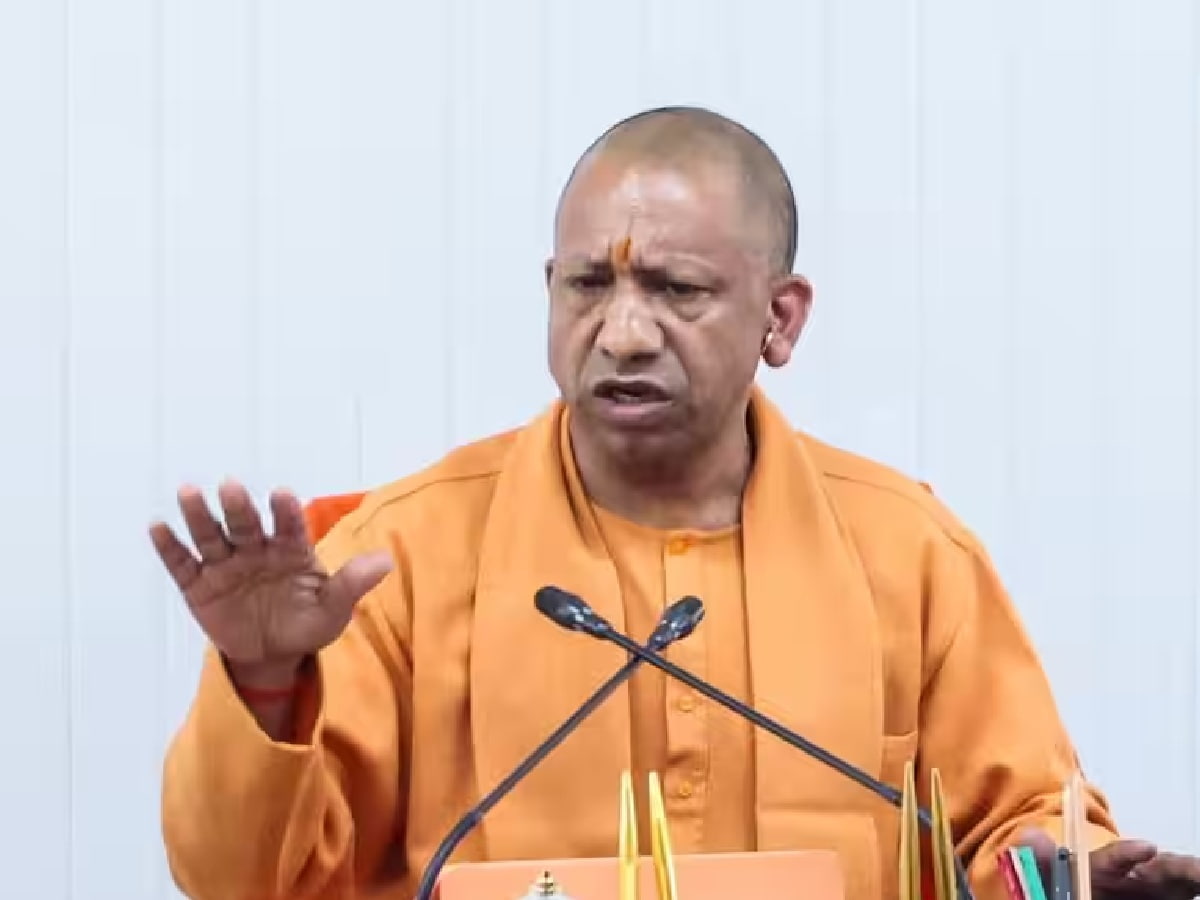
Spiritual fervor and grand civic preparations are gathering pace in Varanasi as Uttar Pradesh prepares to host one of the world’s most breathtaking festivals of light. On Wednesday, Chief Minister Yogi Adityanath chaired a high-level review meeting to finalize arrangements for Ganga Mahotsav, Dev Deepawali, and the sacred Kartik Purnima bath in Kashi. Describing Dev Deepawali as a glorious celebration that embodies Kashi’s timeless spiritual identity and cultural heritage, the Chief Minister directed senior administrative and police officials to ensure seamless convenience, crowd safety, and warm hospitality for the millions of pilgrims and international tourists expected to converge on the ancient city. Drawing directly on operational lessons from previous years, Yogi Adityanath instructed every government department to work in tight coordination, eliminate past bottlenecks, and complete all infrastructure and sanitation works well ahead of schedule.
Ganga Mahotsav and 11 Lakh Lamps Across Kashi's Ghats and Temples
During the briefing, senior officials presented the complete cultural and devotional calendar leading up to the main festival. This year, the four-day Ganga Mahotsav will be hosted at Namo Ghat from November 20 to November 23, 2026, featuring vibrant cultural evenings across all four days. Chief Minister Yogi Adityanath specifically directed organizers to prioritize local artists and folk performers on the main stage so that Kashi’s indigenous musical and classical traditions take center stage.
The grand visual centerpiece will unfold on Tuesday, November 24, 2026, when more than 11 lakh (1.1 million) earthen lamps (diyas)—including lamps handcrafted by women’s self-help groups—will simultaneously illuminate Varanasi’s crescent of paved ghats, the expansive sandy riverbanks (Reti) across the Ganga, and over 100 sacred ponds and kunds across the city. Emphasizing that the joy of Dev Deepawali must resonate throughout the entire district rather than remaining confined to the riverfront, the Chief Minister ordered special decorative lighting and public participation across rural blocks, Sarnath, Markandeya Mahadev Temple, Shultankeshwar Temple, and major community water bodies. Because Guru Nanak Jayanti also falls on November 24, he further instructed officials to coordinate closely with local gurdwaras to ensure timely arrangements for langar, kirtan, and sangat congregations.
Laser Show, Drone Display, and Maha Aarti on November 24
Officials outlined an elaborate sequence of spiritual and technological spectacles scheduled for the evening of November 24. As dusk descends over the Ganga, millions of oil lamps will be lit across every ghat, culminating in the world-renowned Maha Aarti at Dashashwamedh Ghat. Immediately following the evening prayers, spectators along the riverfront will witness a grand projection and laser show at Chet Singh Ghat, synchronized aerial drone shows in the skies above Dashashwamedh and Assi Ghats, and an eco-friendly green fireworks display opposite Kashi Vishwanath Dham Ghat.
Reviewing the event timeline, Chief Minister Yogi Adityanath reiterated that public safety and smooth crowd dispersal must remain the foremost priority while finalizing show timings. To manage the massive influx of devotees arriving for both the Kartik Purnima holy dip and Dev Deepawali, the district administration has divided the entire ghat stretch into 10 zones, 21 sectors, and 36 sub-sectors, placing each unit under dedicated zonal and sector magistrates. Security infrastructure across 21 major ghats will include 27 elevated watchtowers, Quick Response Teams (QRTs), anti-Romeo squads, trained private divers, and continuous aerial drone surveillance. In addition, 11 lost-and-found centers will assist pilgrims, while tourist police units will patrol busy approaches on electric scooters.
Multi-Layered Security and Two-Way Boat Corridor on the Ganga
Recognizing that river congestion poses one of the biggest operational challenges during Dev Deepawali, the administration has engineered a structured marine traffic plan for the Ganga. Learning from last year’s crowding, officials have installed a floating water jetty to establish a dedicated two-way boat lane between Namo Ghat and Assi Ghat. Under this regulated corridor, boats traveling from Namo Ghat toward Assi Ghat will move along the main ghat-side channel and return from Assi Ghat to Namo Ghat along the opposite sandy riverbank, preventing head-on bottlenecks.
To protect river ecology and passenger safety, diesel-powered boats and vessels brought in from outside districts have been strictly prohibited from operating during the festival. The Chief Minister also stressed mandatory safety briefings and training for local boatmen. Throughout the festivities, teams from the National Disaster Response Force (NDRF), Flood PAC, Water Police, and floating Water Ambulances will conduct continuous river patrols, supported by a fully equipped floating rescue station anchored at Chet Singh Ghat. On shore, changing rooms, mobile toilets, drinking water tankers, and sanitation teams will be stationed at all major ghats.
Traffic Diversions, Green Corridors, and Five-Day Cleanliness Drive
To keep Varanasi’s arterial roads congestion-free as pilgrims arrive from Lucknow, Prayagraj, Gorakhpur, and neighboring states, traffic police have established seven major diversion points at district borders to reroute heavy commercial vehicles. Within city limits, 31 designated parking zones have been mapped out, while auto-rickshaws and e-rickshaws will be restricted from entering high-density routes leading toward the ghats. For medical emergencies, authorities have established dedicated green corridors linking the riverfront to premier healthcare institutions, including the BHU Trauma Centre, Sir Sunderlal Hospital, and Pt. Deendayal Hospital.
Underscoring civic hygiene, Chief Minister Yogi Adityanath ordered a special city-wide cleanliness campaign from November 20 to November 25, instructing municipal crews to clean the ghats immediately after the lamp-lighting ceremony concludes on the night of November 24 so that devotees arriving at dawn for the Kartik Purnima bath encounter pristine riverbanks. He also directed officials to engage with taxi associations, hoteliers, and restaurant owners to ensure visitors are charged fair, reasonable tariffs. Calling Dev Deepawali a living test of Kashi’s hospitality and administrative efficiency, the Chief Minister urged local citizens to participate wholeheartedly so every guest departs with unforgettable memories.




