







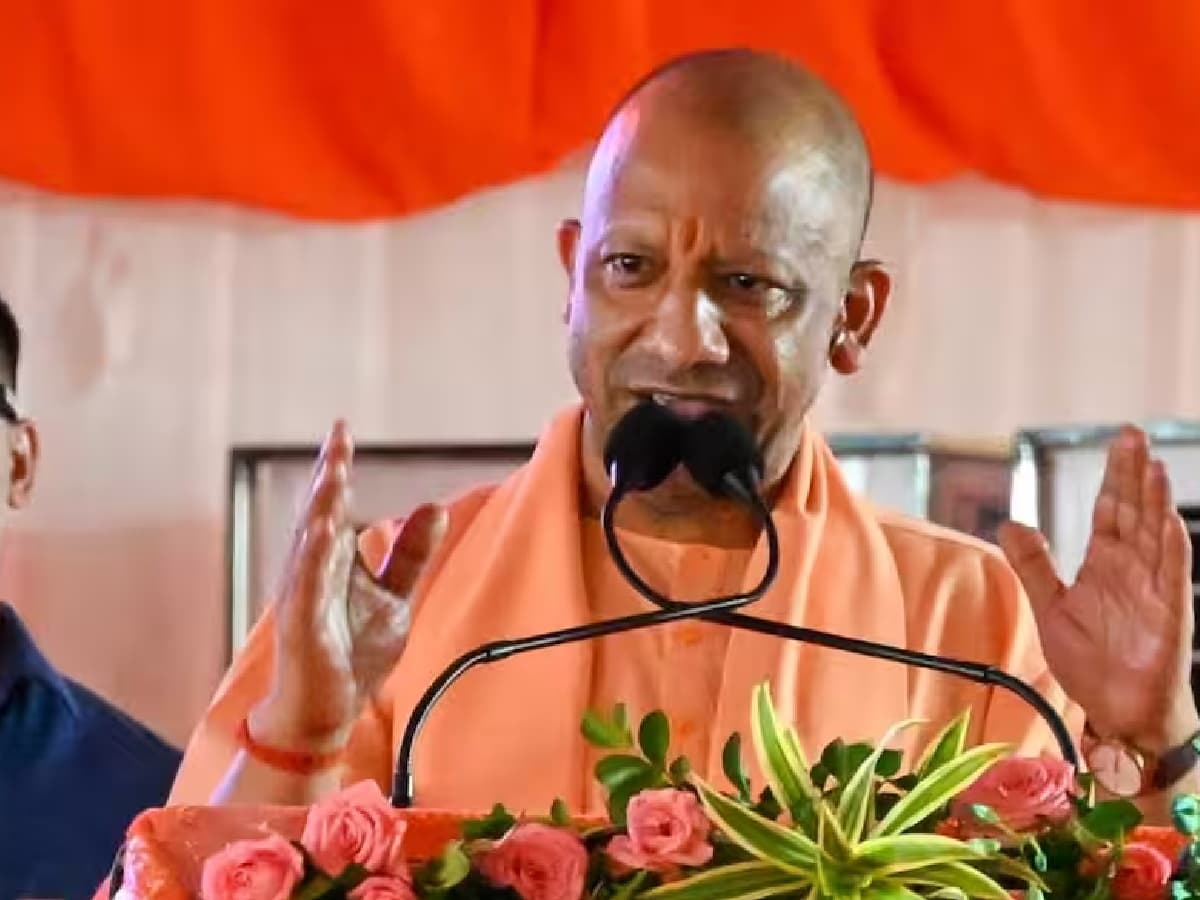
CM Yogi Hails May 16, 2014 as India's Reform Catalyst, Urges Law Graduates
Addressing the grand assembly at the fifth convocation of the Dr. Ram Manohar Lohia National Law University (RMLNLU) in Lucknow on Saturday, Uttar Pradesh Chief Minister Yogi Adityanath underscored the profound significance of political stability and systemic legal modernization, singling out May 16, 2014, as a defining watershed in the nation's contemporary history. Recalling the socio-political climate prior to that juncture, the Chief Minister pointed out that previous governance models were crippled by administrative indecision, systemic hooliganism, and unchecked mafia dominance that stifled regional development. He affirmed that the political transition on May 16, 2014, which saw Prime Minister Narendra Modi assume office following the first absolute parliamentary majority won by a single political party in thirty years, dismantled decades of policy paralysis. This decisive mandate, Adityanath asserted, laid the structural groundwork for an uncompromising rule of law across Uttar Pradesh and the wider nation, replacing coercive criminal intimidation with transparent constitutional governance that protects ordinary citizens and fosters economic advancement.
The May 16 Milestone: Repealing Archaic Statutes and Delivering Historic Constitutional Reforms
Elaborating on the sweeping institutional shifts initiated over the past decade, Chief Minister Yogi highlighted that true democratic progress is realized not merely by enacting fresh regulations, but by courageously weeding out obsolete legal frameworks that impede individual liberty and economic vitality. Following the historic verdict of May 16, 2014, the central administration accelerated an aggressive deregulatory campaign that systematically struck more than 1,500 archaic, colonial-era laws and draconian provisions from the statute books, liberating businesses and citizens from needless bureaucratic harassment. Adityanath emphasized that this transformative governance model paved the way for monumental constitutional milestones that had languished for generations, including the historic abrogation of Article 370 to achieve complete constitutional integration in Jammu and Kashmir, as well as the landmark passage of the Nari Shakti Vandan Adhiniyam to guarantee equitable legislative representation for women. These decisive structural reforms, the Chief Minister observed, embody a responsive democracy committed to justice, national unity, and institutional integrity.
Architects of India's Centenary: Preparing Emerging Jurists for the Demands of 2047
Looking ahead toward the nation’s long-term developmental horizon, the Chief Minister challenged the graduating legal cohort to recognize their pivotal role in shaping the destiny of the republic. Noting that India will celebrate its centenary of independence on August 15, 2047, Adityanath stated that the students passing through university portals today will serve as the premier custodians of the state’s constitutional machinery over the next two decades. He urged the young advocates to view their legal training as preparation for high-stakes leadership across the bench, the bar, legislative drafting bodies, and civil administration. Emphasizing that an attorney's true professional worth is rooted in unyielding integrity rather than transactional victories, the Chief Minister insisted that the foundational virtues of legal practice must remain speaking the absolute truth (Satyam Vad), unwavering adherence to righteousness (Dharmam Char), and disciplined, lifelong self-study (Swadhyaya), ensuring that access to affordable and swift justice reaches the most vulnerable segments of society.
Shiva's Intellect, Krishna's Empathy, and Rama's Word: A Philosophical Compass for Lawyers
Providing a spiritual and ethical blueprint for the emerging jurists, Chief Minister Yogi urged the graduates to harmonize three civilizational ideals within their professional conduct: possessing a mind like Shiva, a heart like Krishna, and words like Rama. He explained that a mind cultivated like Lord Shiva's endows an advocate or judge with emotional detachment, serene contemplation, and resolute decision-making capabilities, empowering them to remain unswayed by panic or external pressure during complex adjudications. Complementing intellectual rigor, a heart reflecting Lord Krishna's boundless compassion ensures that legal professionals remain acutely empathetic to the plight of the poor, marginalized, and disenfranchised who look toward the courtroom as their ultimate sanctuary against exploitation. Finally, embodying the conduct of Lord Rama—whose sacred speech reflects inviolable decorum (Maryada) and steadfast fidelity to truth—guarantees that a lawyer’s word remains an unshakable guarantee of honour, building enduring institutional trust in India’s judicial architecture.




