







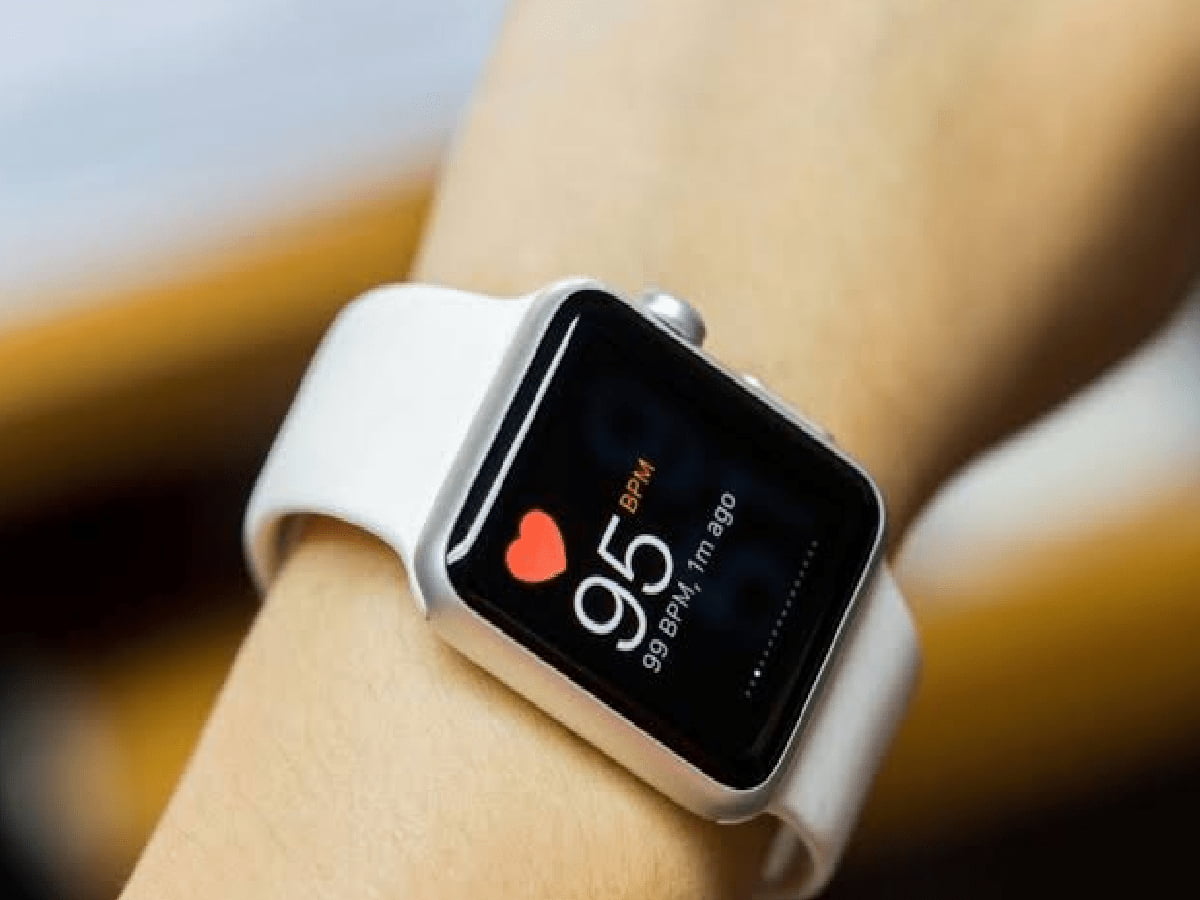
How Accurate Is Your Smartwatch BP Reading, Cardiologists Explain
Digital wearables have evolved far beyond step counters and notification mirrors, with modern smartwatches now promising continuous, real-time blood pressure tracking straight from the wrist. However, seeing an alarming reading of 150/95 mm Hg pop up on your wrist during a routine workday can trigger instant panic and unnecessary stress. While the convenience of on-demand wrist vitals is undeniable, prominent cardiologists warn that treating wrist-worn optical readings as clinical medical reports poses severe health risks. The slim sensors resting against your skin simply cannot replicate the physiological diagnostic accuracy of standard arm cuffs, and mistaking their rough estimates for medical-grade assessments can lead to hazardous self-treatment errors.
Why Trusting Wrist Readings Is Risky: Optical Sensors vs Direct Artery Compression
The technological divide between hospital equipment and commercial smartwatches explains why wrist readings often fail to reflect actual cardiovascular status:
-
Direct Artery Compression vs Photoplethysmography: Clinical arm monitors operate by wrapping around the upper arm and physically compressing the brachial artery to measure true systolic and diastolic blood pressure. In contrast, most smartwatches rely on photoplethysmography (PPG), using miniature green LED lights and photodetectors to infer blood pressure indirectly through microscopic light absorption changes in superficial capillaries.
-
Fit and Motion Vulnerabilities: Because optical sensors require stable contact, a slightly loose strap, an unintentional finger twitch, or minor wrist shifts can throw off the sensor calibration completely, generating erratic numbers.
-
Temperature and Circulatory Factors: Cold weather or peripheral vasoconstriction reduces microvascular blood volume in the hands, causing wrist sensors to miscalculate blood flow velocity and produce misleading diagnostic readings.
-
Expert Medical Perspective: Dr. Amit Kumar Gupta, Senior Consultant and Head of Cardiology at Sarvodaya Hospital, Mathura, points out that while wearable tech effectively builds general health awareness, its optical readings cannot match validated clinical instruments.
Clinical Arm Cuffs vs Smartwatch Wrist Sensors: Where Wearable Tech Falls Short
Understanding vascular anatomy highlights why wrist monitors frequently deliver conflicting results compared to traditional sphygmomanometers:
-
Proximity to the Heart: Dr. Vivek Tandon, Director and Head of Cardiology at ShardaCare – Healthcity, explains that standard clinical cuffs encircle the deep brachial artery, which connects directly to the aorta and provides the medical benchmark for systemic pressure.
-
Thin Radial Vessels and Elevation Shifts: In contrast, the radial arteries and micro-vessels in the wrist are narrow and highly sensitive to positional elevation. Even resting your wrist slightly above or below your heart level will instantly distort the hydrostatic pressure reading.
-
Inflatable Wrist Cuffs Still Fall Short: Although newer hybrid smartwatches incorporate miniature micro-air pumps into their bands, their small bladder size and inconsistent placement on the wrist still prevent them from achieving the diagnostic consistency of upper-arm medical equipment.
Smartwatch Flashes Abnormal BP? 5 Crucial Steps to Follow Before Panicking
When an unexpected blood pressure reading appears on your smartwatch screen, avoid panic—emotional spikes immediately raise biological blood pressure:
-
Step 1: Rest Without Movement: Sit upright in a comfortable chair with your back supported for at least 5 minutes before re-evaluating.
-
Step 2: Correct Body Positioning: Place both feet flat on the floor without crossing your legs, maintain silence, and avoid looking at mobile screens or answering calls.
-
Step 3: Verify with an Upper-Arm Monitor: Use a validated, medically certified digital or manual upper-arm cuff to recheck your actual blood pressure.
-
Step 4: Level with Your Heart: Rest your bare arm on a desk or table so that the cuff sits at identical height with the middle of your chest.
-
Step 5: Follow the 10-Minute Retest Rule: If the reading remains elevated or unusual, rest quietly for an additional 10 minutes and take a second confirmatory measurement.
The Medication Hazard: Why You Must Never Alter Prescriptions Based on a Watch
The most critical danger identified by heart specialists is patients self-adjusting cardiovascular drugs following an unverified wearable notification:
-
Dangers of Self-Medicating: Cardiologists routinely encounter patients who dangerously discontinue antihypertensive tablets after a watch indicates low pressure, or double their dosage following an unexpected high spike.
-
Consulting Your Physician with a Log: If both your validated home monitor and wearable show abnormal figures consistently over several days, maintain a structured paper log of your readings and present it directly to your doctor instead of self-adjusting medications.
-
Role as a Wellness Companion: Smartwatches serve as valuable fitness companions for encouraging daily movement, tracking sleep cycles, and logging hydration; however, they must never replace regular clinical checkups, diagnostic medical files, or a doctor's expert evaluation.




