







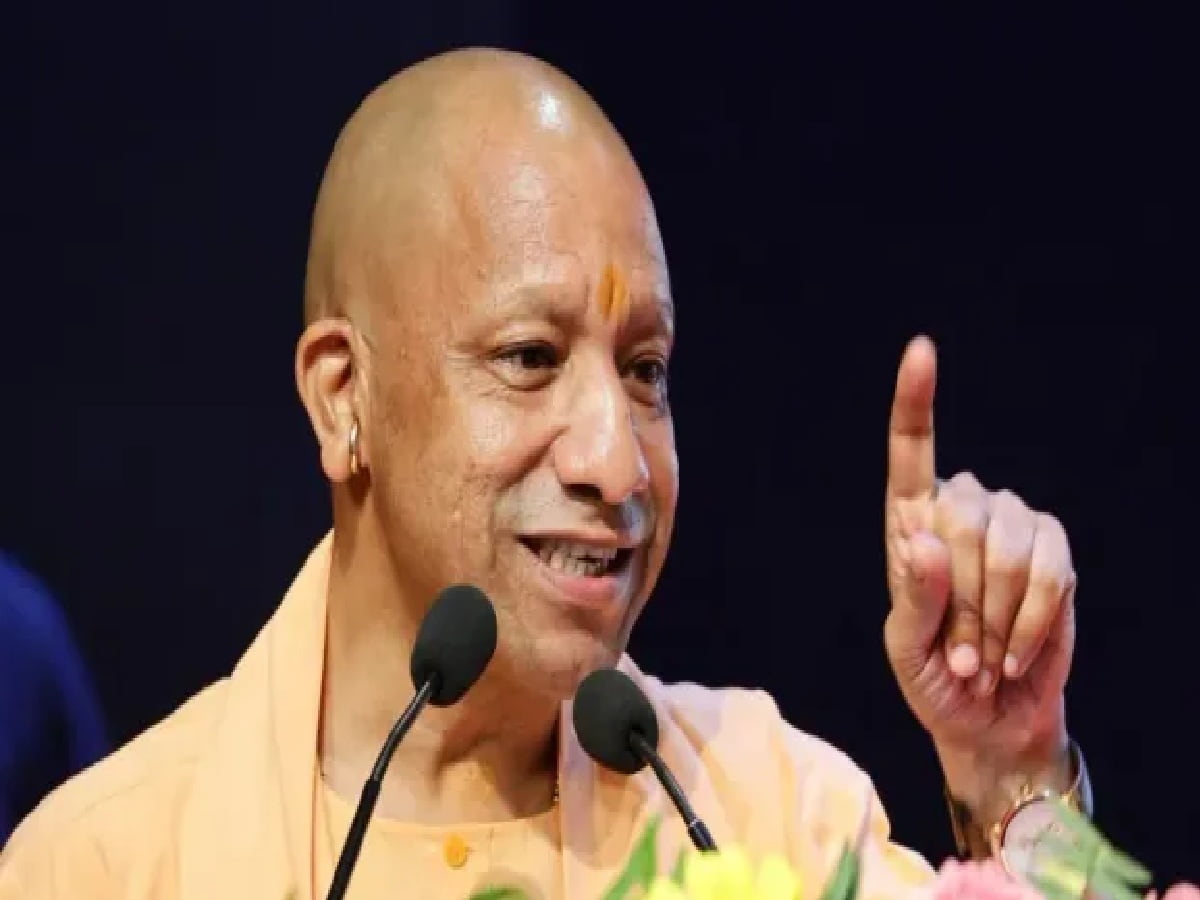
CM Yogi Hails Ayodhya's Metamorphosis Into a People's Festival Under Double-Engine Govt
Uttar Pradesh Chief Minister Yogi Adityanath highlighted the profound unifying essence of Ayodhya's Deepotsav, characterizing the grand festival of lights as an enduring symbol of social cohesion designed to dissolve historical caste inertia. In a statement shared on the social media platform X on Tuesday, November 3, 2026, the Chief Minister underscored that while rigid caste structures historically fragmented Indian society, shared civilizational faith and cultural identity possess the innate power to weave communities together. He observed that Deepotsav stands as a living testament to this collective awakening, providing a nationwide model of social harmony where religious devotion transcends sectional divisions and fosters shared civic pride across Ram Nagari.
Beyond Caste Politics: How Deepotsav Replaced Divisive Governance Since 2017
Taking aim at the political paradigms of previous administrations, Chief Minister Adityanath noted that prior to 2017, successive governments systematically exploited caste fault lines for electoral gains while completely ignoring the integrative potential of Sanatan cultural heritage. He emphasized that the arrival of the double-engine government initiated a decisive ideological transition, inaugurating the official Ayodhya Deepotsav in 2017 to reclaim the sacred heritage of Ram Nagari and convert it into a grand, participatory festival of the masses (Janotsav). This structural shift elevated Ayodhya from decades of administrative neglect into an epicenter of global cultural tourism, demonstrating how heritage revitalization can bridge historical socioeconomic fractures when executed with developmental clarity.
Unity in Illumination: From Potters to Sanitation Workers, A Collective Flame
The Chief Minister highlighted that under the spiritual guidance of revered saints and the visionary leadership of Prime Minister Narendra Modi, Deepotsav has become a truly egalitarian celebration that unites every stratum of society. Highlighting the collaborative backbone of the mega-event, he pointed out that respected spiritual leaders, university students, municipal sanitation workers, local potters (kumhars), and commercial traders participate side by side with identical dedication. He observed that identity during Deepotsav is defined strictly by contribution and collective devotion rather than caste or background, pointing out that while individual earthen lamps are crafted and lit by countless distinct hands, the resulting illumination converges into a single, indivisible light that unites the entire society.




