Allahabad High Court Denies Maintenance to Woman Cohabiting Without Divorcing First Husband, Affirms Child's Legal Rights
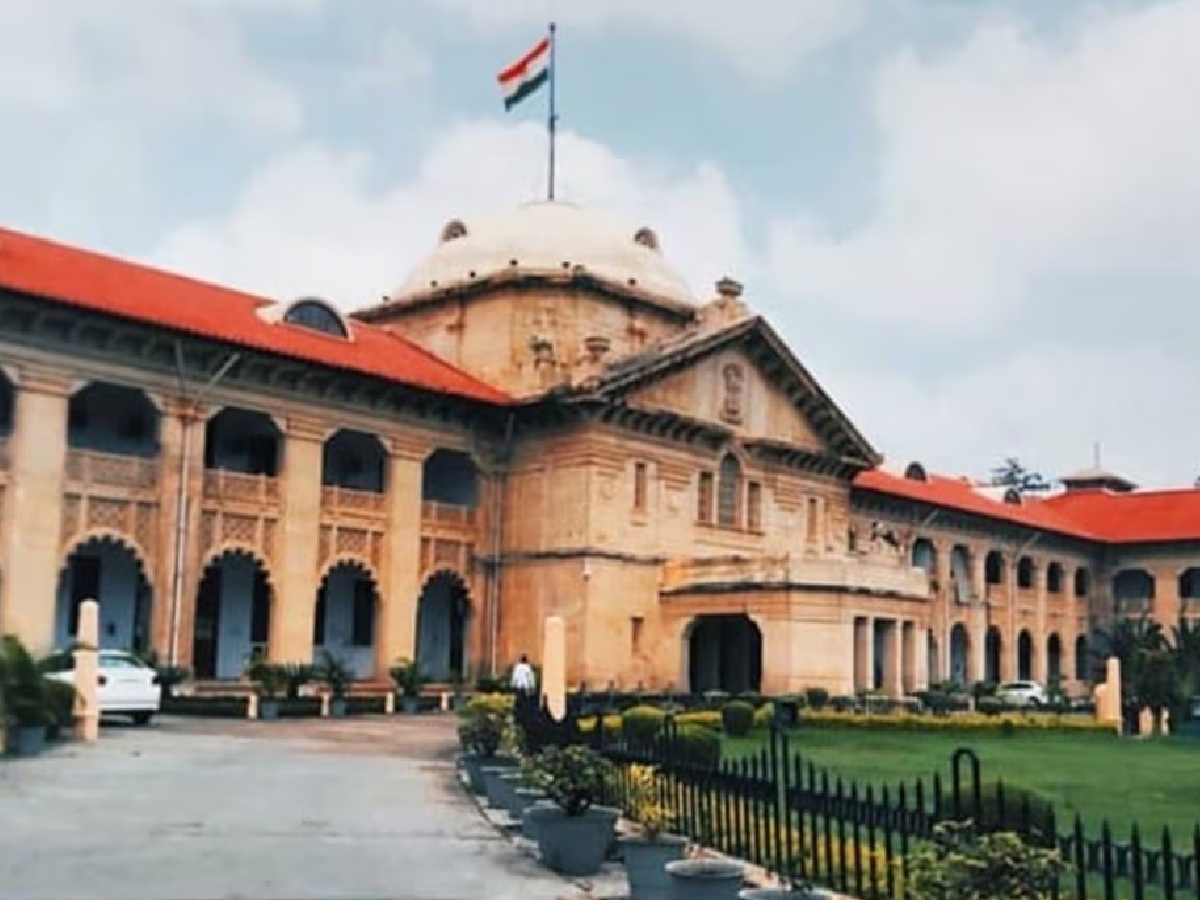
In a highly significant judicial intervention defining the boundaries of matrimonial status and financial accountability under Indian family law, the Allahabad High Court has issued a definitive ruling regarding maintenance eligibility. The High Court established that a woman who choicefully cohabits with another partner without securing a formal legal divorce while her first spouse is still alive cannot claim the legal status of a wedded wife. Consequently, she stands entirely disqualified from demanding financial sustenance from the second partner. However, the bench simultaneously fortified child protection rights, decreeing that any offspring born from such relationships maintains absolute moral and statutory claims to financial support from their biological father.
The Family Court Overruled: Justice Achal Sachdev Decodes Section 125 of the CrPC
The definitive legal precedent was formulated by a single-judge bench presided over by Justice Achal Sachdev while adjudicating a revision petition filed by an aggrieved citizen, Santosh Kumar. Previously, the Chief Family Court Judge of Chitrakoot district had directed Kumar to pay a monthly maintenance allowance of ₹2,000 to his cohabiting female partner and an additional ₹1,000 to their minor daughter. Challenging this baseline directive in the apex state court, Kumar’s legal team presented critical historical data revealing that the woman had originally wed a man named Sharda Prasad approximately 15 years prior. Because she began residing with Kumar without formally dissolving her first marriage through valid legal channels, the High Court determined that her primary marital bond remained legally active, stripping her of subsequent spousal privileges.
The Decisive Scientific Baseline: DNA Profiling Confirms Paternal Financial Obligations
During the detailed appellate proceedings, the High Court thoroughly scrutinized the available evidentiary records to distinguish spousal claims from parental duties. While the woman failed to produce any verified proof demonstrating a solemnized marriage with Kumar under standard Hindu customs, a certified DNA profiling report presented to the bench conclusively established that Kumar was indeed the biological father of the couple's eight-year-old daughter. Invoking the statutory mandates anchored within Section 125(1)(b) of the Code of Criminal Procedure (CrPC), Justice Sachdev observed that a biological father bears an unalterable moral and legal obligation to financially support his minor children, completely irrespective of whether the child is classified as legitimate or illegitimate under civil statutes.
Striking a Juridical Balance: Spousal Claims Quashed While Minor Daughter's Allowance Upheld
Culminating the extensive legal review, the Allahabad High Court formally set aside the Chitrakoot Family Court’s financial directive concerning the mother, citing the strict restrictive provisions of Section 125(4) of the CrPC which disallows maintenance to spouses living in technically non-binding unions. Conversely, the bench refused to alter or minimize the economic protection granted to the minor child, fully upholding her monthly allowance of ₹1,000. This landmark judgment clearly reinforces contemporary Indian jurisprudence, establishing that while adult domestic arrangements must strictly align with statutory matrimonial laws to claim spousal benefits, the secondary legal rights of innocent minor children remain unconditionally protected by the state.