







34 Hospitalized Across Major Facilities as Post-Rain Waterlogging Triggers Outbreak
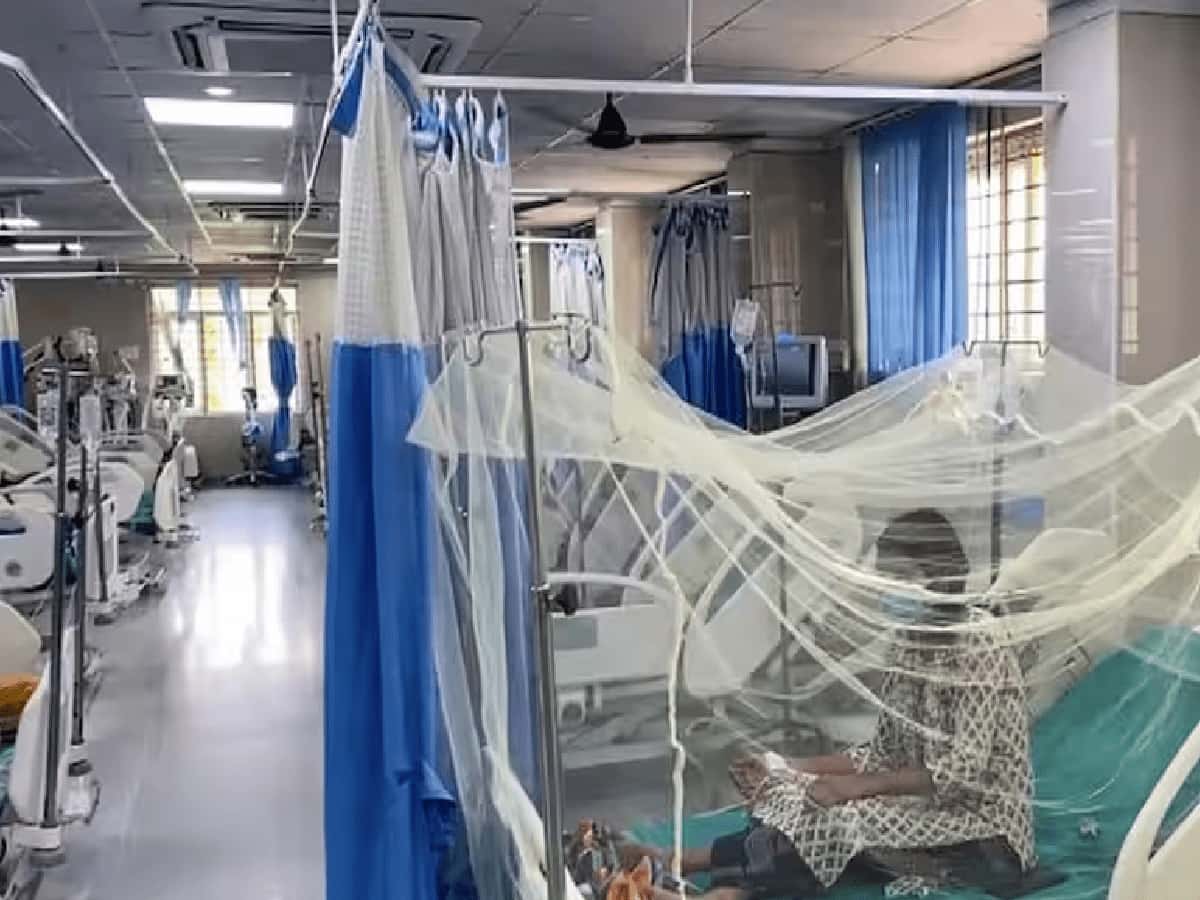
A severe post-monsoon dengue outbreak has gripped Uttar Pradesh's capital, Lucknow, where prolonged waterlogging, elevated humidity, and swelling water levels in the Gomti River have triggered rampant vector breeding across residential colonies. Government and private healthcare facilities across the city are witnessing long queues of fever patients, with at least 34 confirmed dengue patients currently undergoing treatment in dedicated wards across four premier medical centers: King George’s Medical University (KGMU), Dr. Ram Manohar Lohia Institute of Medical Sciences, Balrampur Hospital, and Shyama Prasad Mukherjee (Civil) Hospital. With environmental conditions remaining ripe for mosquito proliferation, local health authorities have raised alarms over the next fortnight.
Gomti River Overflow and Stagnant Pockets: Why Vector Numbers Exploded Across Lucknow
The current health crisis follows extensive rainfall and subsequent inundation in low-lying riparian tracts and urban colonies:
-
Stagnant Water Hotspots: Although seasonal downpours have receded, lingering water accumulations in residential sectors, blocked open drains, and vacant plots have created high-density breeding grounds for Aedes aegypti mosquitoes.
-
River Swell Impact: Swelling of the Gomti River inundated adjoining catchments, leaving damp, stagnant pools in low-lying neighborhoods that continue to harbor mosquito larvae.
-
Vulnerable Posh and Peripheral Hubs: The surge is not confined to rural fringes; key residential and commercial sectors including Gomti Nagar, Indira Nagar, Alambagh, Chinhat, and Gosaiganj have emerged as active fever pockets requiring immediate vector control operations.
Health Department's 15-Day Alert: Doctors Warn of Escalating Admissions
Medical administrators across Lucknow’s tertiary care institutions warn that patient loads could climb significantly over the next two weeks unless strict preventive containment is enforced:
-
Critical Hospital Caseloads: Medical teams across KGMU, Lohia, Balrampur, and Civil hospitals remain on high alert, expanding fever isolation desks and platelet monitoring systems to manage the daily inflow of symptomatic cases.
-
Essential Community Protocols: Chief medical officials urge citizens to eliminate indoor and outdoor standing water by emptying desert coolers, flowerpots, discarded tires, and open water barrels at least once a week.
-
Protective Personal Measures: Families are advised to sleep under mosquito nets, apply protective repellents, and dress children in light-colored, full-sleeved clothing before sending them to school or outdoor coaching centers.
-
Recognizing Red-Flag Symptoms: Doctors emphasize that anyone developing high-grade persistent fever, severe retro-orbital eye pain, joint and muscle aches, nausea, or recurrent vomiting should undergo immediate NS1 antigen or ELISA testing rather than relying on unprescribed self-medication.




