







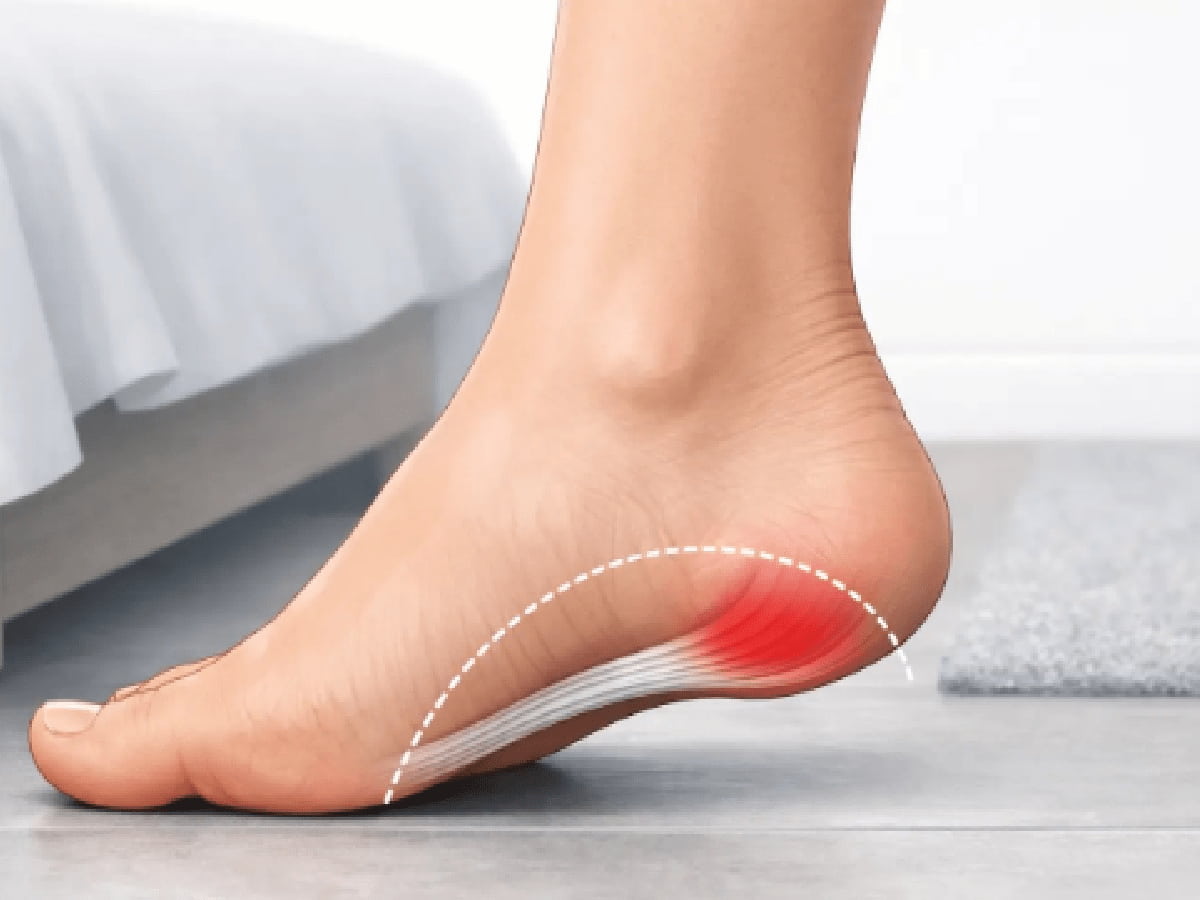
Sharp Morning Heel Pain When Waking Up, Plantar Fasciitis
Experiencing sharp, stabbing pain or intense stiffness in the soles of your feet the moment you step out of bed in the morning is an increasingly common complaint that many write off as simple fatigue. For some, it presents as a piercing sensation localized around the heel bone, while others describe a tight pulling across the arch. While this morning discomfort often eases slightly after taking a few tentative steps, it frequently returns with greater intensity after prolonged standing, desk breaks, or heavy walking. Medical experts caution that persistent morning discomfort is the classic hallmark of plantar fasciitis—a condition that requires targeted care rather than neglect.
Understanding Plantar Fasciitis: How Strained Connective Tissues Trigger Morning Aches
The primary anatomical culprit behind chronic morning heel pain lies deep beneath the foot's arch:
-
The Plantar Fascia Network: The underside of the foot contains a thick, bowstring-like band of fibrous connective tissue known as the plantar fascia, which anchors the heel bone to the base of the toes and acts as a shock absorber supporting your entire body weight during movement.
-
Micro-Tears and Inflammation: Repeated excessive pressure, continuous strain, or biomechanical stress can cause microscopic tears and chronic irritation in these fibers, culminating in the inflammatory condition diagnosed as plantar fasciitis.
-
Why Mornings Hurt Most: During uninterrupted sleep, the plantar fascia band naturally tightens and contracts in a shortened resting state; stepping out of bed suddenly stretches these stiffened tissues, triggering an acute, sharp pain until the foot warms up.
Culprits Beyond Fasciitis: Poor Footwear, Hard Surfaces, and Rapid Weight Shifts
While plantar fasciitis is the leading cause, several lifestyle and biomechanical factors can trigger or amplify foot discomfort:
-
Inadequate Footwear Support: Flat slippers with paper-thin soles, worn-out footwear lacking arch contouring, and stiff shoes without adequate shock absorption drastically increase mechanical stress across the soles, particularly when walking over hard tiled or concrete floors.
-
Prolonged Standing and Occupational Strain: Professions requiring hours of continuous standing or walking place sustained tensile loads on the heel pad and arch ligaments.
-
Weight Fluctuations and Sudden Workouts: Excess body weight increases gravitational load on the arches, while abruptly starting high-impact running, aggressive gym routines, or long-distance walking after a prolonged sedentary stretch can rapidly strain unconditioned plantar tissues.
Essential Self-Care Routines: Pre-Bed Stretches, Footwear Swaps, and Cold Therapy
Incorporating targeted daily habits can provide relief and protect your arches from escalating tissue damage:
-
In-Bed Gentle Stretches: Before planting your feet on the floor in the morning, gently pull your toes upward toward your shin using your hands or a towel, holding the stretch for several seconds to warm up the tissue; immediately halt the movement if sharp pain increases.
-
Cushioned Indoor Footwear: Stop walking completely barefoot on hard indoor floors, opting instead for supportive, well-cushioned indoor footwear or custom orthotic arch insoles.
-
Targeted Cold Therapy: If inflammation flares up after a long day, apply an ice pack wrapped in a soft cloth or roll a frozen water bottle under the sole for 15 to 20 minutes to soothe aggravated tissues.
When to Seek Medical Attention: Red Flags That Require an Orthopedic Evaluation
While conservative home care eases mild tightness, persistent or worsening discomfort demands professional medical intervention:
-
Persistent Mobility Issues: If sharp sole pain continues unabated and makes normal walking, driving, or standing difficult despite adequate rest, schedule an appointment with a podiatrist or orthopedic doctor.
-
Visible Swelling or Deformities: Seek prompt medical advice if you notice visible swelling, noticeable redness, localized warmth, radiating numbness, or structural changes around your heels and ankles.
-
Specialist Treatments: A physician can assess whether physical therapy, custom orthotics, night splints, or advanced imaging are necessary to prevent chronic heel spur complications and restore painless mobility.




