







Why Sabarimala Devotees Observe 41 Days of Penance: Mala Deeksha Rules
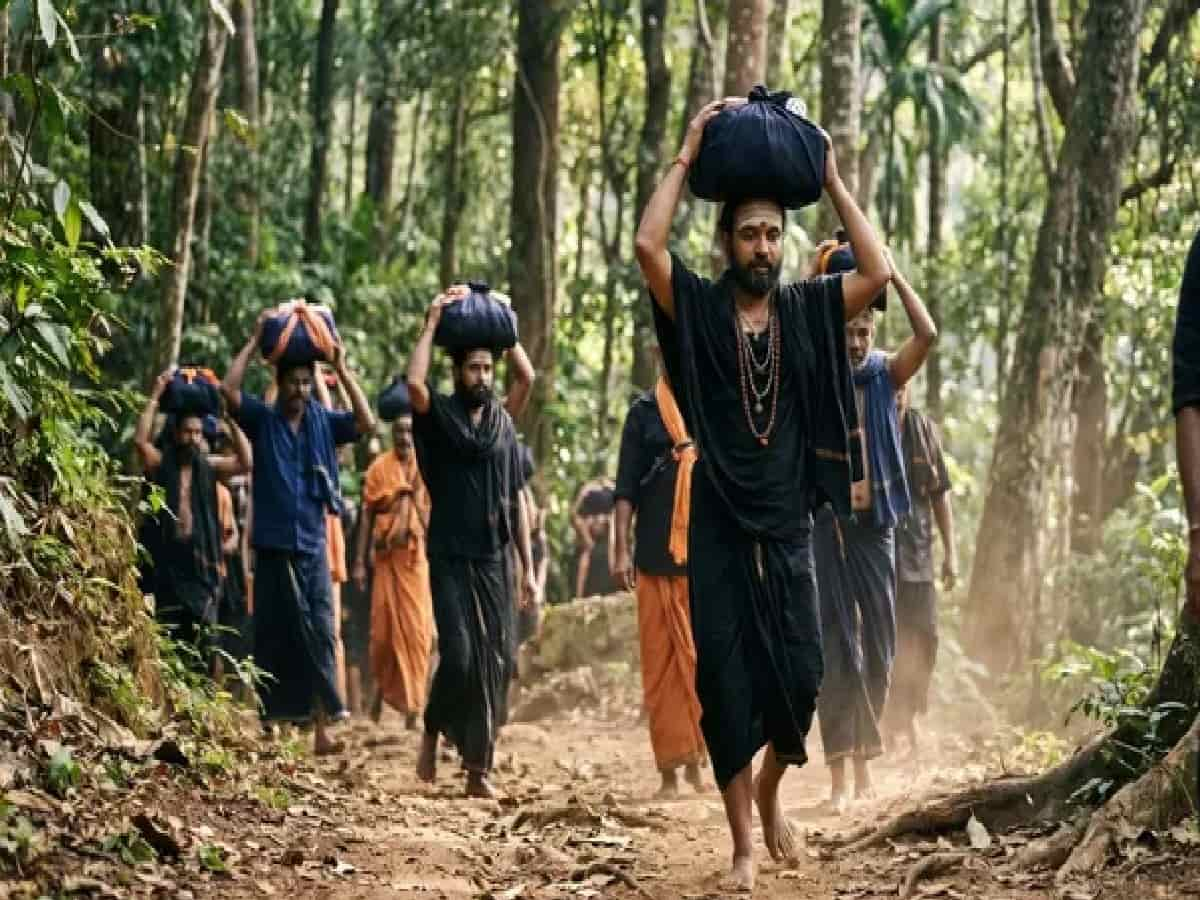
Every year during the sacred Mandala-Makaravilakku pilgrimage season, millions of devotees across India prepare to visit the hilltop shrine of Lord Ayyappa at Sabarimala, nestled deep inside the Periyar Tiger Reserve in Kerala's Pathanamthitta district. Yet in the Ayyappa tradition, the pilgrimage does not begin at the foothills of Pamba; it begins 41 days earlier the moment a devotee places a sacred Rudraksha or Tulsi garland (mala) around their neck. Known as Mala Deeksha (or Mandala Vratham), this 41-day period of self-discipline—marked by black attire, barefoot walking, cold pre-dawn baths, sattvic food, and silence—transforms ordinary daily life into an inward spiritual journey before the pilgrim ascends the sacred eighteen steps (Pathinettampady).
What Is Mala Deeksha and Why Does It Last 41 Days
In Hindu spiritual vocabulary, Deeksha signifies sacred initiation, yet within the Sabarimala tradition it represents a temporary transformation of identity. From the instant the guru-swami or elder devotee ties the mala, the pilgrim steps out of worldly social labels, titles, and ego-driven habits. For the next 41 days—corresponding to one traditional Mandala cycle believed to purify body, speech, and mind—the devotee is addressed simply as "Swami" (or "Malikappuram" for women pilgrims), and every greeting begins and ends with the devotional chant "Swamiye Sharanam Ayyappa."
By treating every fellow devotee as a living manifestation of Lord Ayyappa himself, the vow dissolves hierarchy and reminds the pilgrim that humility, patience, and mutual respect are the true prerequisites for darshan.
Why Sabarimala Pilgrims Wear Black and Walk Barefoot
Two of the most recognizable outward symbols of Mala Deeksha—plain black garments and bare feet—carry deep philosophical meaning rather than mere custom:
-
Symbolism of black attire: In Vedic astrology and devotional symbolism, black is associated with Lord Shani (Saturn), representing discipline, detachment from luxury, and endurance. Spiritually, black is also viewed as the color that absorbs all other shades without reflecting distinction—signifying that once a pilgrim enters Mala Deeksha, differences of wealth, caste, region, or professional status disappear. While select regional traditions also permit dark blue, dark green, or ochre garments, plain, unembroidered black cloth remains the defining uniform of equality on the road to Sabarimala.
-
Walking barefoot on sacred earth: Abandoning footwear for 41 days is an ancient expression of surrender and humility across Indian devotional traditions. In Ayyappa worship, the earth itself is revered as sacred ground, and walking barefoot trains the body and mind to endure discomfort gracefully ahead of the steep forest trek and the barefoot climb up Sabarimala's revered Pathinettampady (18 holy steps).
Cold Baths, Sattvic Diet, Celibacy, and Inner Silence
Throughout the 41-day vratham, devotees follow a structured daily routine designed to quiet sensory distractions and strengthen self-control:
-
Pre-dawn cold baths: Pilgrims bathe in cold water before sunrise each morning, symbolically washing away lethargy and attachment to physical comfort before morning prayers.
-
Strict sattvic diet: Meat, alcohol, tobacco, and stimulants are strictly prohibited. Devotees eat simple vegetarian meals—frequently avoiding onion and garlic—and many observe a single meal a day after evening bhajans and puja.
-
Celibacy and truthfulness: Brahmacharya (celibacy), restraint from anger, and truthful speech form core pillars of the vow.
-
Periods of silence (Mauna): Many pilgrims practice intentional silence during parts of the day, speaking only when necessary so energy normally spent on idle chatter turns inward toward mantra contemplation.
| Pillar of Mala Deeksha | Traditional Practice (41 Days) | Spiritual & Inner Purpose |
| Sacred Mala | Rudraksha or Tulsi garland worn continuously | Marks formal initiation and constant remembrance of Lord Ayyappa |
| Attire | Plain, unadorned black (or dark blue/ochre) clothes | Symbolizes renunciation, discipline, and complete equality among pilgrims |
| Footwear | Strictly barefoot throughout the 41-day vow | Cultivates humility, endurance, and reverence for Mother Earth |
| Diet & Routine | Pre-dawn cold bath, sattvic vegetarian food, celibacy | Purifies physical habits and steadies mental focus |
| Irumudi Kettu | Two-compartment cloth bundle carried on the head | Places offerings to the Divine above personal travel needs |
Significance of the Irumudi and the Final Forest Pilgrimage
At the culmination of the 41-day penance, devotees gather for the sacred Kettunira ritual to prepare the Irumudi Kettu—the traditional two-compartment cloth bundle carried atop the head during the pilgrimage from Kerala, Tamil Nadu, Karnataka, Andhra Pradesh, Telangana, Maharashtra, and across India.
The front compartment (munmudi) holds sacred offerings for Lord Ayyappa, most notably the Neyyabhishekam coconut filled with pure ghee, alongside camphor, betel leaves, rice, and jaggery, while the rear compartment (pinmudi) carries simple travel provisions for the pilgrim. According to temple tradition, no devotee may ascend the sacred eighteen steps (Pathinettampady) without bearing the Irumudi on their head—the crown of the body, regarded in Indian philosophy as the seat of higher consciousness. By carrying divine offerings above their own head while trekking through forest trails and hills, pilgrims enact the central message of Sabarimala: surrendering the ego completely at the feet of the Lord.




