







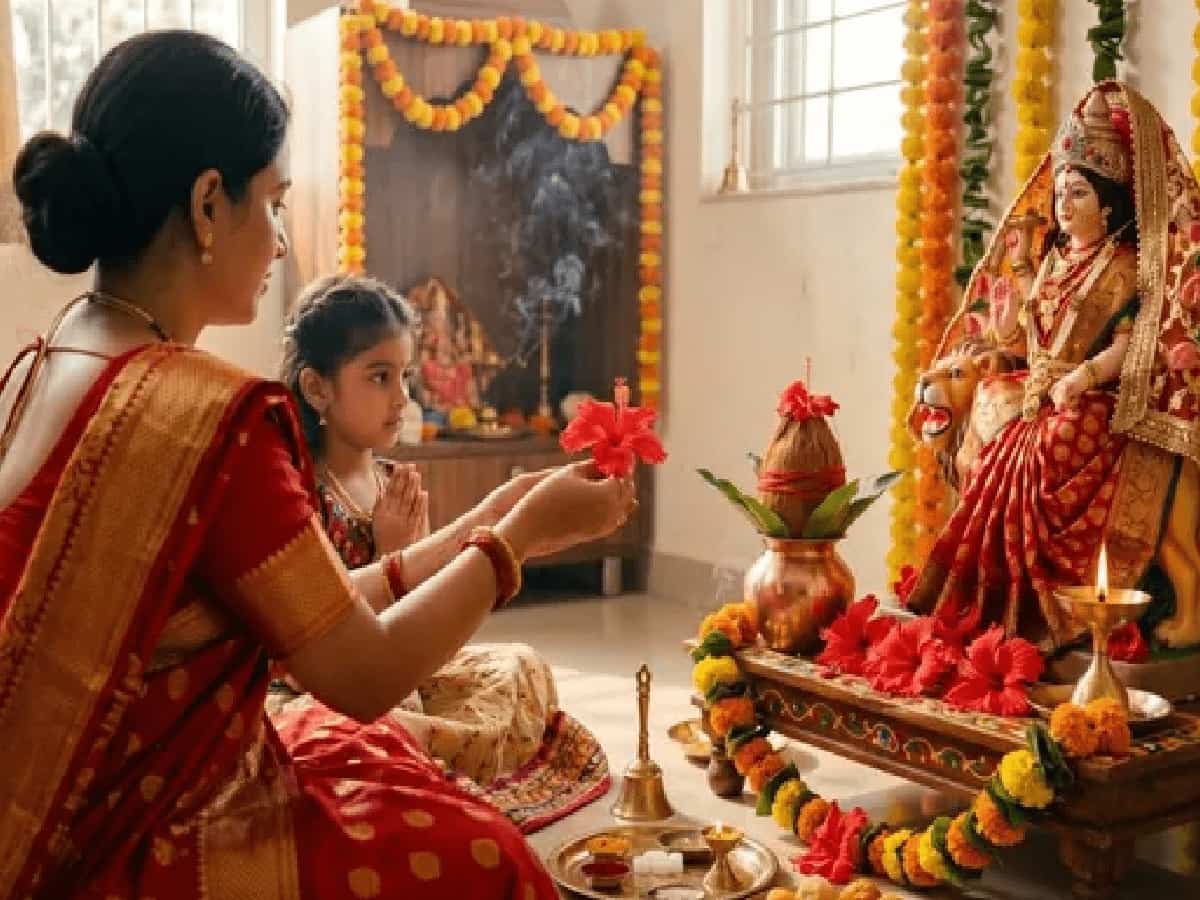
Why Offering Red Hibiscus in Sharadiya Navratri Unlocks Wealth and Peace
Across millions of households during the ongoing Sharadiya Navratri festival, dawn arrives with the fragrant rituals of Ghatasthapana, sacred Vedic chants, and elaborate floral offerings to the divine feminine. Running from Sunday, October 11, through to Vijayadashami on Monday, October 20, 2026, the nine sacred nights honor each dynamic manifestation of Goddess Durga. While an array of seasonal blossoms decorates home shrines and public pandals, ancient Sanatan scriptures reserve the highest spiritual reverence for the vibrant red hibiscus flower (Japa Pushpa), identifying it as the Mother Goddess's most cherished floral offering capable of fulfilling earnest prayers and bestowing material abundance.
The Esoteric Symbolism of Red: Harnessing Primordial Shakti and Courage
In Hindu spiritual philosophy, colors carry precise energetic frequencies that harmonize with specific cosmic deities:
-
Embodiment of Divine Feminine Energy: The vivid crimson hue of the hibiscus resonates directly with the root chakra (Muladhara) and represents primordial cosmic power (Shakti), bravery, and dynamic vitality.
-
Reflecting Durga's Radiant Form: Red mirrors the fierce, protective grace of the Goddess as she vanquishes inner demons and external obstacles, making the hibiscus an ideal spiritual conductor during Navratri sadhana.
-
Instant Spiritual Alignment: Sanatan tradition teaches that presenting Maa Durga with crimson blooms quickly pleases the deity, creating an immediate conduit for divine grace and protective maternal energy.
Prosperity, Protection, and Peace: Spiritual Rewards of Japa Pushpa
Regularly incorporating fresh hibiscus blooms into morning and evening worship yields multi-faceted spiritual benefits for the household:
-
Dispelling Malefic Negative Vibrations: The natural electromagnetic aura of the hibiscus is believed to absorb stagnant psychic patterns, purifying home premises and dispelling negative energies.
-
Catalyst for Wealth and Good Fortune: Sacred traditions link consistent hibiscus offerings to the blessings of Mahalakshmi, dissolving lingering financial blockages and welcoming steady material abundance.
-
Emotional Balance and Harmonious Relationships: Beyond raw divine power, the flower represents pure, unconditional affection; offering it fosters internal tranquility, calms mental anxieties, and deepens emotional harmony among family members.
-
Unlocking Career Opportunities: Chanting the Devi Kavacham or Durga Saptashati while presenting crimson petals is believed to clear bureaucratic hurdles and open lucrative professional pathways.
The Correct Ritual Method: Offering Hibiscus Flowers During Navratri
Observing proper ritual cleanliness and timing ensures that your floral offerings carry complete spiritual potency:
-
Purity Before Puja: Begin with an early morning bath, wear fresh traditional clothing, and illuminate a pure ghee or sesame oil lamp (diya) before the consecrated idol or portrait of Goddess Durga.
-
Selecting Fresh, Unblemished Petals: Offer only pristine, organically grown red hibiscus blossoms picked the same morning; never use wilted, damaged, or artificially scented flowers, as botanical purity is essential to sacred worship.
-
Devotional Dedication: Place an odd number of hibiscus flowers—such as five, seven, nine, or a full garland of 108 blooms—at the sacred feet of the Mother Goddess with sincere intent and devotion (bhava), praying for internal peace and family prosperity.




