







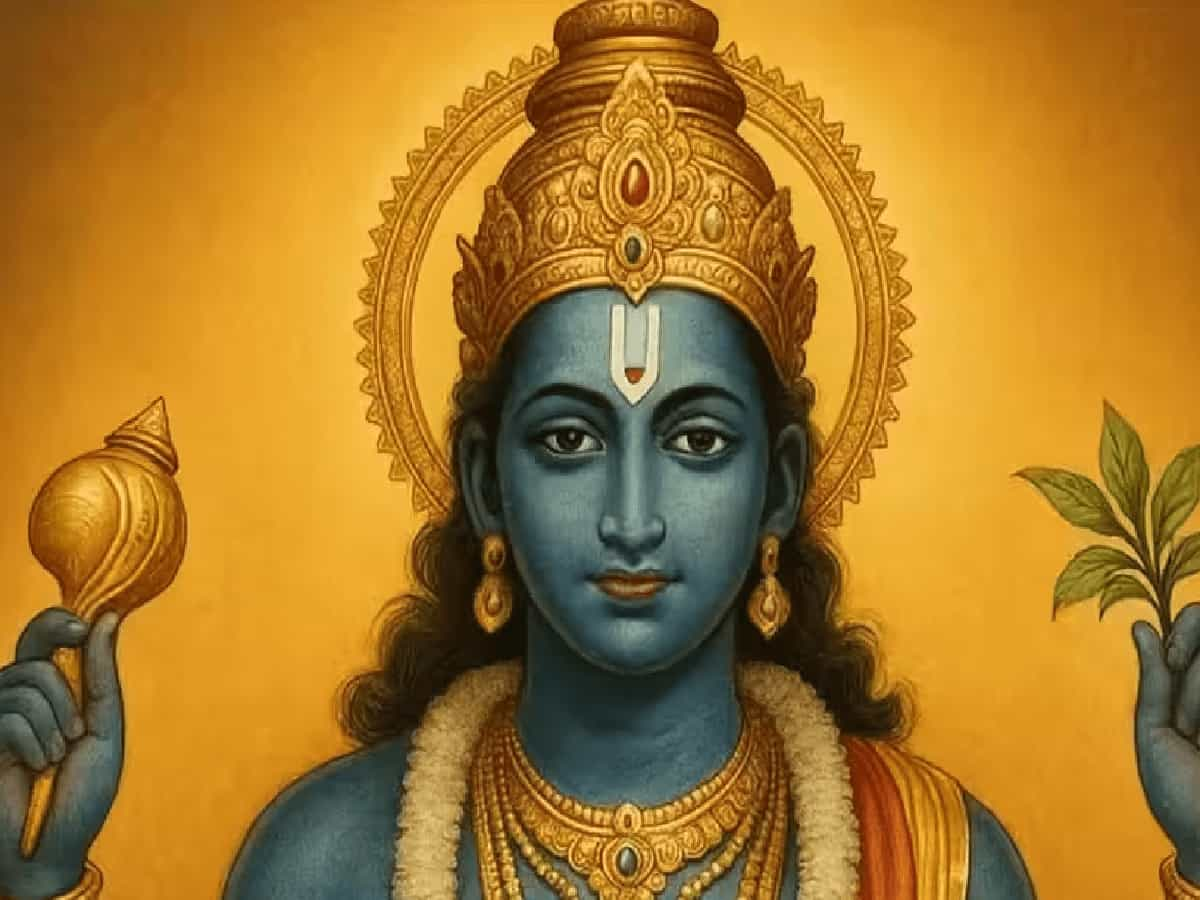
Why Lord Dhanvantari's Sunset Manifestation Unlocks Health and Enduring Wealth
Serving as the grand gateway to India’s magnificent five-day festival of lights, Dhanteras—also celebrated as Dhanatrayodashi—heralds an auspicious season of prosperity, wellness, and divine invocation across millions of households. Celebrated on the thirteenth lunar day (Trayodashi) of the waning fortnight (Krishna Paksha) in the sacred Hindu month of Kartik, the festival marks the celestial emergence of Lord Dhanvantari, the primordial physician of the cosmos and an avatar of Lord Vishnu. Scriptural traditions, Vedic astrologers, and spiritual scholars emphasize that the most potent window for performing Dhanteras rituals is neither dawn nor midnight, but the sacred twilight threshold known as Pradosh Kaal. Aligning devotional worship and vessel purchases with this post-sunset alignment bridges ancient Ayurvedic lore with timeless rituals for continuous abundance.
The Divine Mystery of Pradosh Kaal: Nectar from the Cosmic Ocean
The spiritual rationale for conducting Dhanteras worship during Pradosh Kaal rests upon foundational occurrences detailed in Vedic puranas:
-
The Emergence of Lord Dhanvantari: Ancient scriptures recount that during the cosmic churning of the celestial milky ocean (Samudra Manthan) by the Devas and Asuras, Lord Dhanvantari manifested into the world specifically at dusk on Kartik Krishna Trayodashi, bearing the golden urn of divine immortality (Amrit Kalash) alongside sacred Ayurvedic knowledge.
-
The Earthly Stroll of Goddess Lakshmi: Scriptural beliefs affirm that during the post-sunset twilight hours of Pradosh Kaal, Goddess Lakshmi, the goddess of fortune, traverses the earthly plane and graces clean, well-lit dwellings, ensuring enduring prosperity, financial stability, and liberation from poverty.
-
Dispelling Afflictions and Disease: Worshipping the divine healer during the exact twilight phase of his arrival is believed to neutralize chronic ailments, eradicate bodily toxins, and protect the family lineage with radiant vitality and longevity.
Dhanteras 2026 Date and Muhurat: Exact Auspicious Puja Windows
According to the Vedic panchang, the sacred Trayodashi tithi governs Friday, November 6, 2026, creating favorable astrological windows for ritual observances:
-
Trayodashi Tithi Commencement: Friday, November 6, 2026, at 10:30 AM.
-
Trayodashi Tithi Conclusion: Saturday, November 7, 2026, at 10:47 AM.
-
Core Dhanteras Observance: Officially celebrated nationwide on Friday, November 6, 2026.
-
Pradosh Kaal Window: 05:49 PM to 08:23 PM (spanning approximately 2 hours and 34 minutes following local sunset).
-
Vrishabha Kaal (Fixed Sign Alignment): 06:19 PM to 08:17 PM, representing the highly sought-after Sthir Lagna (immovable ascendant) that anchors wealth permanently within the residence.
-
Optimal Dhanteras Puja Muhurat: 06:19 PM to 08:17 PM, coinciding harmoniously within both the Pradosh and Vrishabha astrological periods.
Gold, Utensils, and Investment Timings: When to Shop on Dhanteras
Beyond home altars and prayer chants, Dhanteras remains inextricably bound to the auspicious purchase of precious metals, coins, and domestic utilities:
-
Universal Shopping Window: Because the sacred Trayodashi tithi commences during the late morning on Friday, November 6, 2026, devotees can buy gold, silver ornaments, brass vessels, and copper utensils at any time throughout the day starting from 10:30 AM onwards.
-
Procuring the Sacred Kalash: Buying metal vessels—particularly brass or copper water jugs—honors the Amrit pot borne by Lord Dhanvantari, symbolizing that the home's provisions and financial reserves will never run empty.
-
Welcoming Goddess Lakshmi's Energy: Bringing newly purchased utensils, silver coins depicting Lakshmi-Ganesha, or brooms (representing the cleansing of negative spirits) into the home during the day prepares the household for the consecrated lamp lighting (Deepdaan) and evening arati during the Pradosh hour.




