Why Do We Chant 'Om Shanti' Three Times, Unveiling the Spiritual and Scientific Secret
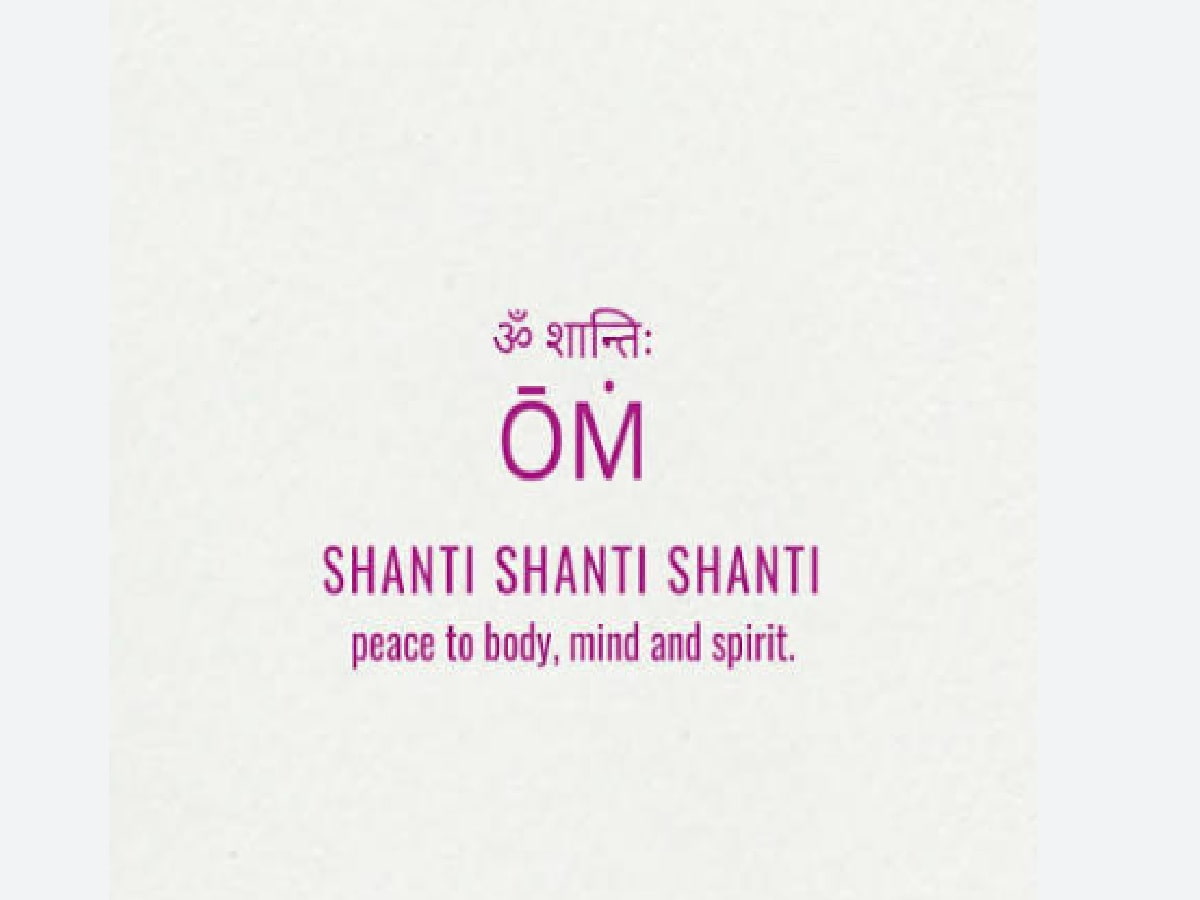
Throughout our lives, whether during school morning prayers or sacred Vedic rituals, we have frequently heard holy recitations conclude with the profound phrase: "Om Shantiḥ Shantiḥ Shantiḥ." This concluding prayer appears universally at the end of ancient mantras, such as the famous invocation from the Brihadaranyaka Upanishad (Asato Ma Sadgamaya), which translates to: "O Lord! Lead us from falsehood to truth, from the darkness of ignorance to the light of knowledge, and from the fear of death to immortality." But have you ever wondered why the word "Shanti" (peace) is intentionally chanted precisely three times? Far from being a mere coincidence or repetitive ritual, this practice is rooted in deep Vedanta philosophy, cosmic science, and psychological well-being.
The Trifold Obstacles: Understanding the Three Types of Human Suffering
According to ancient Hindu scriptures, Vedic philosophy, and Vedanta teachings, human life is constantly influenced by three primary categories of disturbances or obstacles known as Taapas (sufferings). When we chant "Shanti" three times, each repetition serves a specific spiritual, psychological, and cosmic purpose aimed at pacifying these distinct sources of distress.
-
The First 'Shanti' (Adhyatmika Tapas): The first recitation addresses internal suffering and mental restlessness. This encompasses our inner turmoil—such as fear, anger, greed, anxiety, psychological stress, and physical illnesses. Chanting the first "Shanti" is a prayer to calm our own mind and body, bringing inner equilibrium and health.
-
The Second 'Shanti' (Adhibhautika Tapas): The second recitation relates to external disturbances originating from our immediate environment and fellow living beings, such as conflicts with adversaries, challenges from society, or harm from animals. Saying "Shanti" the second time invokes harmony among all humans, creatures, and our immediate surroundings.
-
The Third 'Shanti' (Adhidaivika Tapas): The third recitation is dedicated to divine or natural forces beyond human control—such as earthquakes, floods, hurricanes, severe droughts, or epidemics. By uttering the third "Shanti" with a lowered, reverent voice, we appeal to the universe, nature, and invisible cosmic forces to restore universal balance and protect humanity from natural calamities.
Beyond Rituals: Achieving Ultimate Harmony With Nature
Reciting "Om Shantiḥ Shantiḥ Shantiḥ" is much more than a traditional punctuation mark for a prayer. It is a scientifically and spiritually profound technique designed to align our inner consciousness with the outer world and the cosmos. By acknowledging and seeking peace across the physical, social, and environmental dimensions of existence, this timeless practice establishes a powerful state of holistic harmony for ourselves, our communities, and the entire universe.