







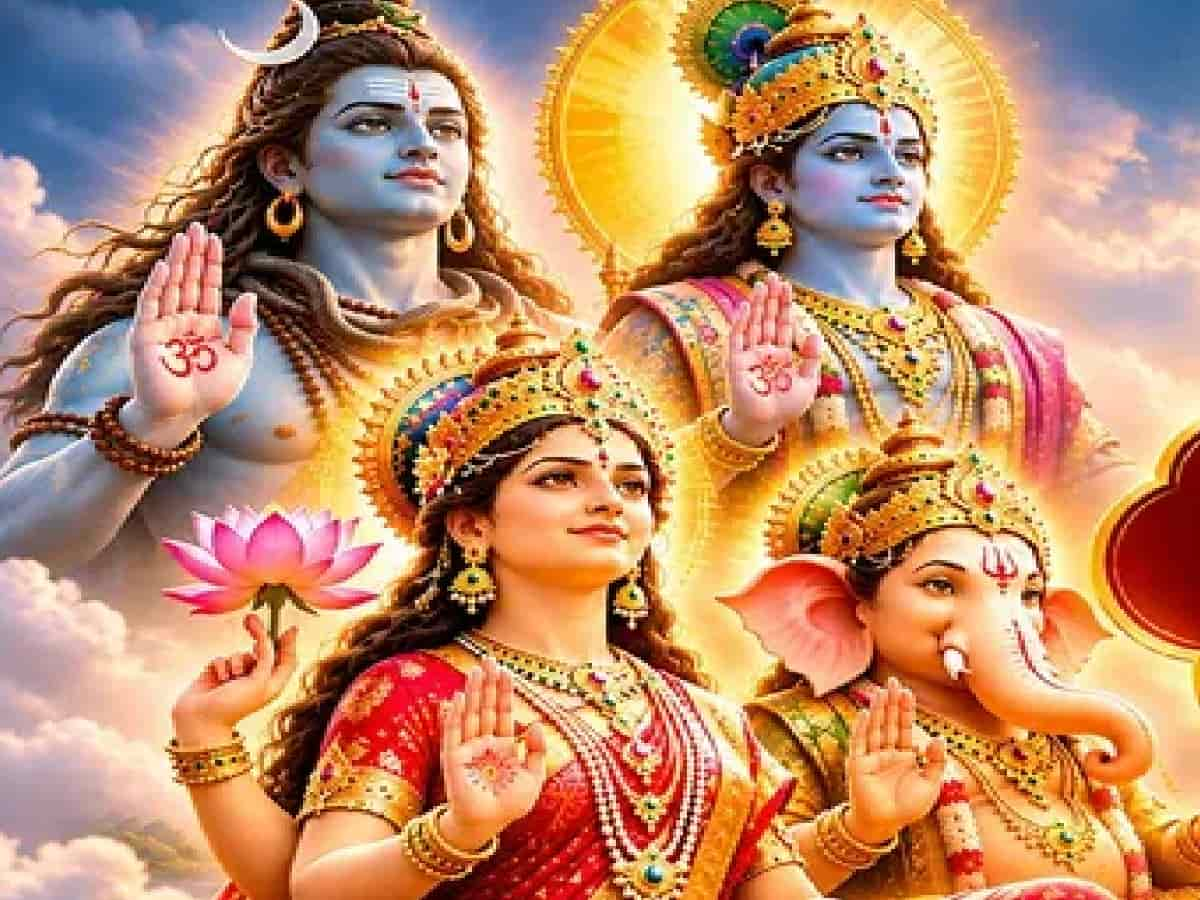
Why Deity Hands Are Raised or Lowered: Mudra Meanings Explained
Step into almost any temple or home shrine and look closely at the idols of deities: one hand may be lifted palm-forward, another turned downward toward devotees, two hands folded at the chest, or palms resting in quiet meditation. In Indian iconography and sacred art, these hand gestures—known as mudras—are far more than decorative sculpture. Each posture communicates a distinct spiritual teaching, emotional state, or blessing, turning stone, bronze, or wood into a visual language of protection, generosity, inner stillness, devotion, and resolve. For temple visitors, art lovers, and readers across Unnao, Lucknow, Kanpur, Varanasi, Ayodhya, Prayagraj, New Delhi, and Mumbai, understanding the difference between raised, lowered, folded, or grounded hands adds rich meaning to everyday darshan and cultural appreciation.
Sacred Hand Mudras Snapshot: Raised, Lowered & Meditative Gestures
To make it easy to tell these classic iconographic postures apart at a glance—and see what each gesture signifies in spiritual tradition—the table below brings together the core mudras:
| Mudra / Posture | Hand Position | Core Meaning & Symbolism | Common Iconographic Associations |
| Abhaya Mudra | Hand raised upward, palm facing outward/forward | Freedom from fear, protection, assurance, and courage in adversity. | Lord Shiva, Lord Vishnu, Lord Ganesha, Goddess Durga, and Lord Buddha. |
| Varada Mudra | Hand turned downward, palm open toward devotee | Bestowing boons, blessings, compassion, mercy, and generosity. | Goddess Lakshmi (often linked with abundance/coins) and Lord Ganesha. |
| Gyan Mudra | Thumb tip and index finger tip touching; other fingers extended | Spiritual knowledge, wisdom, yoga, and attunement of mind and consciousness. | Yogis, sages, meditative ascetics, and Lord Shiva in Yogeshwara/meditative forms. |
| Dhyana Mudra | Both hands in lap (often right over left), palms upward in seated pose | Deep concentration, inner quiet, self-reflection, and meditative balance. | Lord Buddha, Lord Shiva, and meditative figures in Padmasana or Sukhasana. |
| Anjali Mudra | Palms pressed together at chest with slight bow of head | Reverence, humility, devotion, service, and freedom from ego. | Lord Hanuman before Lord Rama, and traditional Indian salutations (namaste). |
| Bhumisparsha Mudra | Right hand reaching down toward the earth while seated | Earth as witness to enlightenment, steadfastness, truth, and self-belief. | Lord Buddha at the moment of awakening against temptation and doubt. |
Why Some Hands Are Raised (Abhaya) While Others Are Lowered (Varada)
One of the clearest contrasts in temple sculpture is between a raised palm and a lowered open palm. In Abhaya Mudra, the raised hand with an outward-facing palm signals reassurance and shelter—reminding devotees not to yield to panic when tested by hardship, as seen across depictions of Lord Shiva, Lord Vishnu, Lord Ganesha, Goddess Durga, and Lord Buddha. By contrast, in Varada Mudra, the hand is lowered with the palm open toward the worshipper to symbolize the granting of grace, boons, and generosity—frequently seen in images of Goddess Lakshmi (sometimes accompanied by symbols of prosperity) and Lord Ganesha. Together, raised protection and lowered giving capture a complete arc of reassurance and blessing.
Gyan, Dhyana, Anjali & Bhumisparsha: Stillness, Devotion & Resolve
Other iconic postures speak to inner discipline and devotion rather than outward blessing alone. In Gyan Mudra, joining thumb and index finger with the remaining fingers extended evokes wisdom, yoga, and contemplative clarity, appearing in forms of yogis, sages, and meditative depictions of Lord Shiva. Dhyana Mudra—with hands resting in the lap in Padmasana or Sukhasana—invites quiet self-reflection away from daily clamor, while Anjali Mudra (folded palms at the heart, famously associated with Lord Hanuman's devotion to Lord Rama) embodies humility and selfless service. Meanwhile, Bhumisparsha Mudra, where the lowered right hand touches the earth, recalls Lord Buddha calling the earth to witness his awakening—a timeless reminder to stay anchored to truth and purpose even amid trials.




