







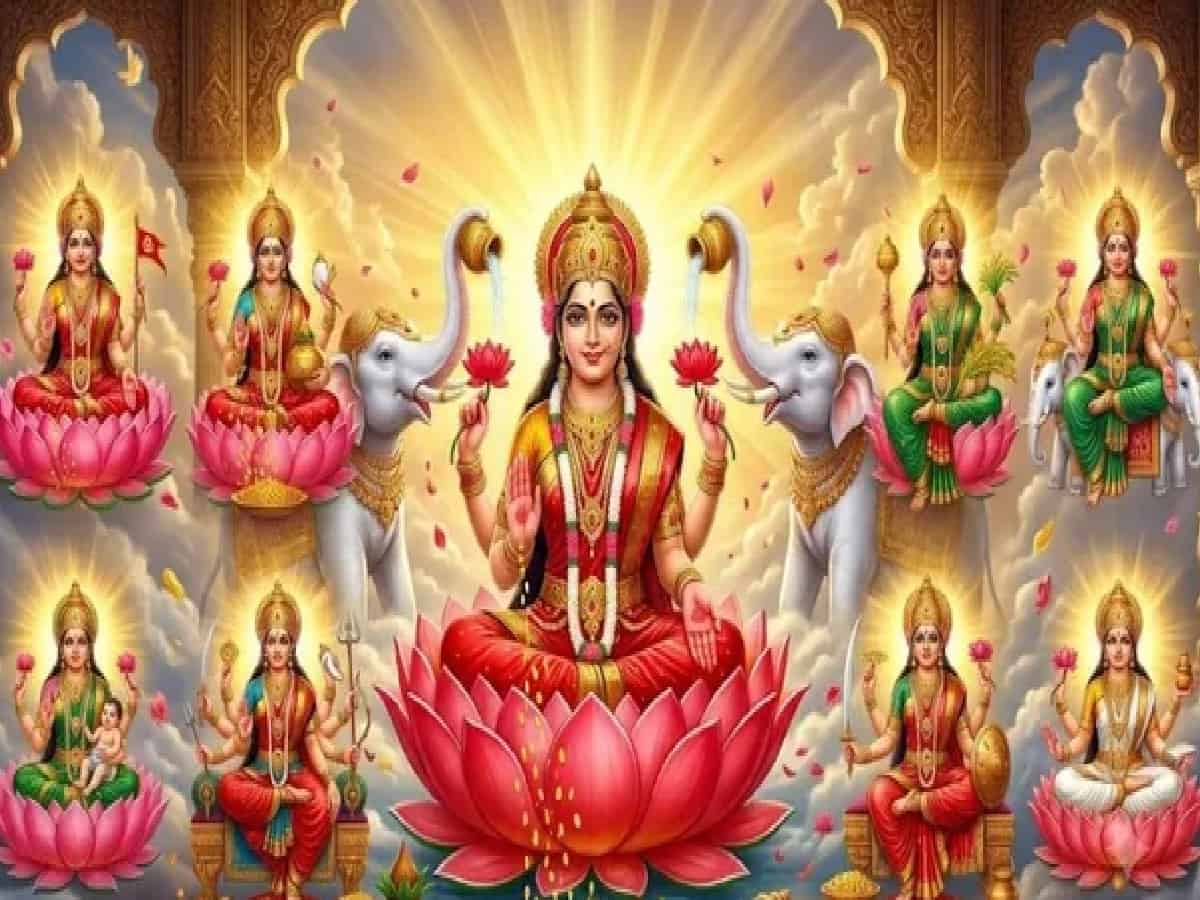
What Worshipping Each of the 8 Forms of Goddess Lakshmi Brings You
In Sanatan Dharma, Goddess Lakshmi is revered not merely as the dispenser of physical wealth, but as the supreme cosmic embodiment of auspiciousness, prosperity, spiritual elevation, and divine fortune. Central to Vedic metaphysics is the understanding that true abundance is multi-dimensional—encompassing psychological tranquility, sustenance, righteous lineage, valor, and wisdom. This comprehensive vision of divine grace is crystallized in the veneration of the Ashtalakshmi, the eight distinct manifestation forms of Goddess Lakshmi. Each sacred aspect presides over a specific sphere of human existence, ensuring that devotees who approach her with pure devotion, ethical conduct, and noble intentions achieve complete personal, domestic, and material fulfillment rather than isolated economic gain.
From Primordial Peace to Tangible Riches: Adi Lakshmi, Dhana Lakshmi, and Dhanya Lakshmi
The sacred hierarchy of the Ashtalakshmi begins with Adi Lakshmi, the primordial and ancient personification of divine consciousness. Worshipped as the eternal source of cosmic energy, she bestows profound mental stillness, spiritual fortitude, and unshakable inner contentment, making her worship the ultimate spiritual remedy for those navigating chronic anxiety, mental restlessness, or existential confusion. When physical sustenance and economic stability are sought, devotees turn to Dhana Lakshmi, the custodian of tangible material abundance, precious bullion including gold and silver, and liquid financial assets. Her divine grace alleviates lingering debts, clears economic bottlenecks, and ensures that sincere labor is rewarded with equitable prosperity. Complementing monetary wealth is Dhanya Lakshmi, the divine patroness of agricultural bounty, grains, and physical nourishment. Worshipping Dhanya Lakshmi safeguards households from famine, food insecurity, and resource scarcity, blessing the family with perennial culinary abundance, agricultural vitality, and domestic harmony.
Power, Progeny, and Unyielding Valor: Gaja Lakshmi, Santana Lakshmi, and Veera Lakshmi
For those aspiring toward ethical leadership, administrative authority, and public recognition, Gaja Lakshmi stands as the quintessential emblem of royal majesty and sovereign grace. Flanked by ceremonial white elephants that symbolize royalty and power, this divine form governs governance, social prestige, high public standing, and honorable reputations, elevating individuals to positions of widespread respect. Meanwhile, couples yearning for the joy of parenthood or parents seeking the spiritual protection of their children seek the sanctuary of Santana Lakshmi. Venerated as the divine protectress of offspring and family continuity, her benevolence blesses homes with healthy children, fosters deep mutual affection among family members, and shields growing children from negative energies and misfortunes. Life’s inevitable tribulations demand emotional resilience, which is granted through Veera Lakshmi, also reverently addressed as Dhairya Lakshmi. Embodying supreme courage, valor, and indomitable willpower, her worship equips strivers and vulnerable individuals with the mental endurance, fearlessness, and confidence necessary to confront seemingly insurmountable adversity without despair.
Triumph and Supreme Wisdom: Vijaya Lakshmi, Vidya Lakshmi, and the Soul of True Prosperity
The pursuit of ambition and professional mastery finds divine backing in Vijaya Lakshmi, the celestial herald of triumph and righteous victory. From intense business competitions and legal battles to sporting contests and examinations, her invocation dispels self-doubt, instills razor-sharp determination, and converts difficult endeavors into decisive success. Completing the sacred octet is Vidya Lakshmi, the presiding deity of wisdom, formal education, fine arts, and discerning intellect. She is revered by students, educators, creative artists, and scholars, as her blessings foster rapid cognitive development, memory retention, refined artistic talents, and moral clarity. Ultimately, the theology of the Ashtalakshmi teaches that true worship extends far beyond asking for transient wealth; it requires devotees to align themselves with righteousness, compassion, and a spirit of service toward others. By invoking all eight forms with genuine humility and noble karma, seekers welcome lasting peace, refined wisdom, and all-encompassing prosperity into their lives.




