







Why Strokes Occur During Sleep and Morning Warning Signs You Must Never Ignore
Experiencing a sudden medical crisis while asleep represents one of the most stealthy and hazardous neurological emergencies known to clinical medicine. Termed a "wake-up stroke," this condition occurs when an individual retires to bed in seemingly normal health but awakens with severe, debilitating neurological deficits caused by acute vascular disruption in the brain. A stroke transpires when vital cerebral arterial circulation is abruptly occluded by a thromboembolic blood clot—known as an ischemic stroke—or when a cerebral blood vessel ruptures and bleeds directly into cranial tissue, causing a hemorrhagic stroke. Because the affected individual remains asleep throughout the initial vascular event, vital hours of early symptom awareness are lost, making prompt identification upon waking the absolute difference between functional recovery and permanent disability.
Nocturnal Vulnerability: The Biological Mechanisms and Risk Drivers Behind Nighttime Strokes
The development of an acute stroke during sleep is intimately linked to circadian hemodynamic shifts and underlying cardiovascular risk profiles. Nocturnal blood pressure fluctuations, undiagnosed sleep apnea, heart rhythm disorders such as atrial fibrillation, uncontrolled chronic hypertension, systemic diabetes, and dyslipidemia significantly heighten the probability of clot formation or vessel rupture in the early morning hours. Lifestyle determinants including persistent tobacco use, physical inactivity, and poor metabolic health further erode vascular wall integrity over time. When cerebral perfusion is interrupted during sleep, oxygen-deprived brain neurons begin dying within minutes, leaving the sleeper entirely unaware until conscious motor or sensory functions fail upon waking.
Morning Red Flags: Recognizing Unilateral Weakness, Slurred Speech, and Vision Shifts
The neurological indicators of a wake-up stroke become unmistakably evident the moment a person attempts to get out of bed. Hallmark manifestations include acute muscle weakness, heaviness, or total paralysis localized to one arm or leg on a single side of the body. Individuals often experience facial asymmetry where one side of the mouth visibly droops, alongside sudden dysarthria—difficulty articulating words or comprehending standard spoken language. Concurrently, patients may suffer abrupt loss of balance, unexplained vertigo, severe bilateral or unilateral visual blurriness, or a sudden, explosive headache without prior history. Neurologists caution against brushing off these life-threatening signs as mere morning grogginess, stiff joints, or poor sleep posture, emphasizing that any abrupt neurological deficit requires immediate emergency medical evaluation.
Emergency Protocol: The Golden Window, 'Last Known Well' Timelines, and Avoiding Self-Medication
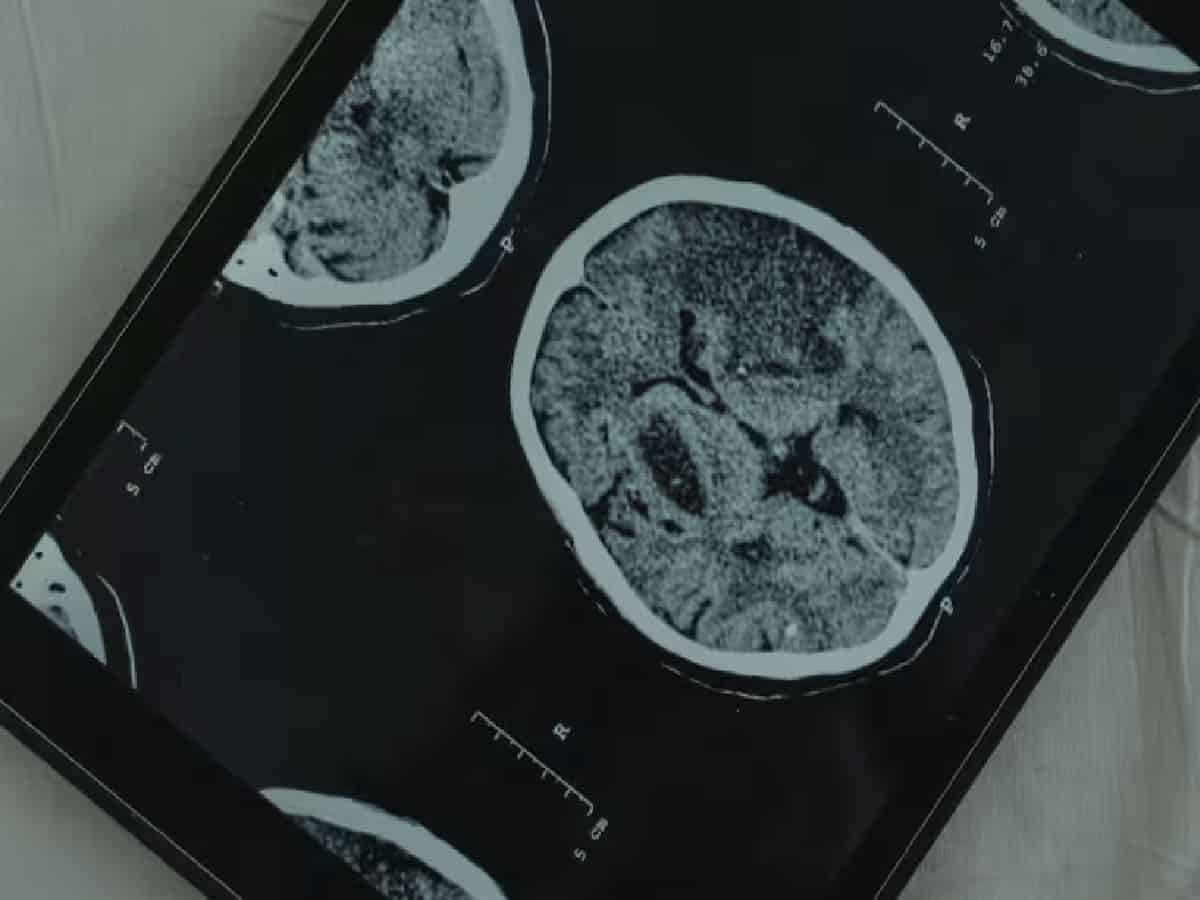
Immediate action is paramount when dealing with suspected wake-up stroke manifestations, as cerebral tissue survival hinges directly on rapid clinical reperfusion. Caregivers must transport the patient to an advanced stroke-ready medical center without delay and clearly communicate the patient's "last known well" time—the exact moment the individual was last observed completely asymptomatic before falling asleep. This precise temporal marker dictates whether emergency medical teams can safely administer advanced thrombolytic clot-dissolving medications or perform mechanical endovascular thrombectomy. Crucially, relatives must never administer oral aspirin or home remedies, because treatments designed to clear ischemic blood clots can prove fatal if the underlying pathology is instead an active hemorrhagic bleed verified only through emergency computed tomography (CT) neuroimaging.




