







Wedding Kangana Ritual: Meaning, Sacred Items & State-Wise Names
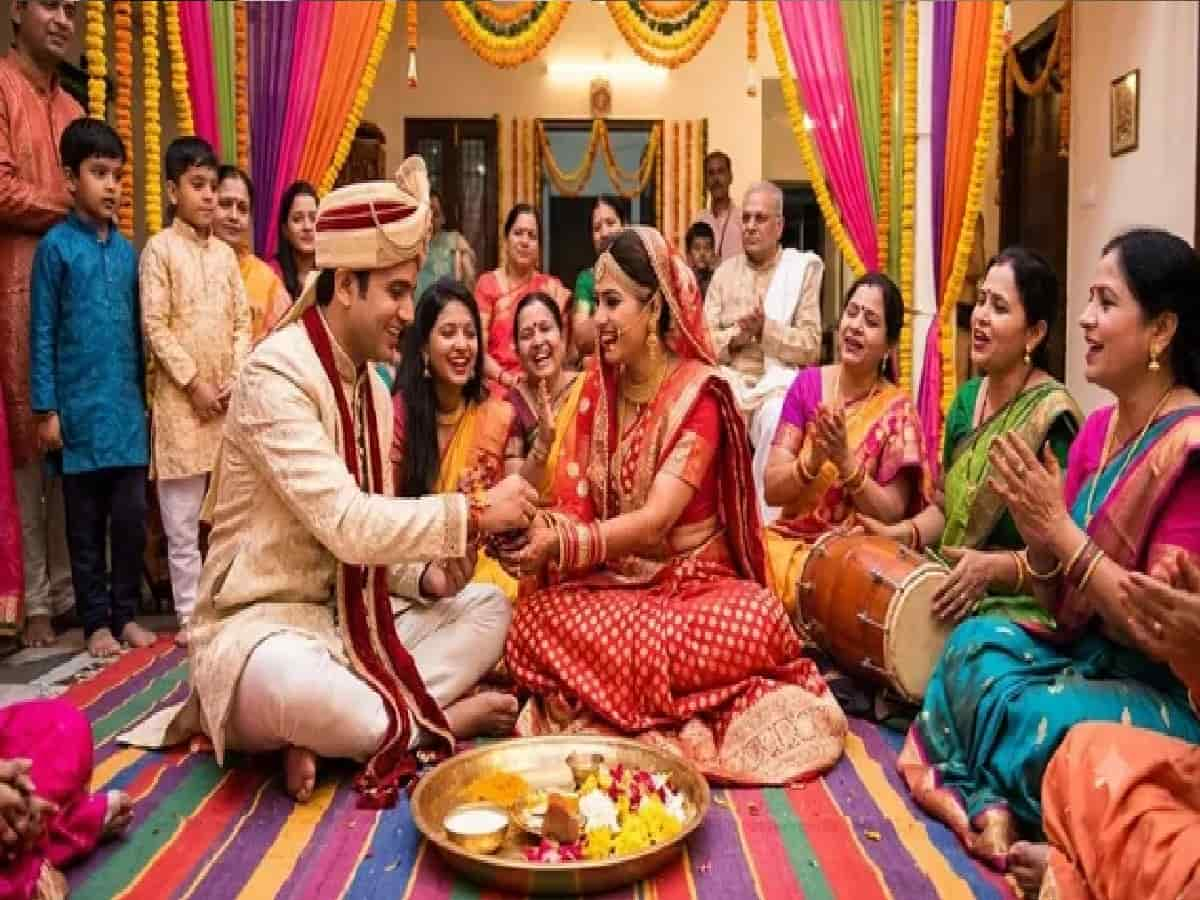
With the conclusion of Chaturmas ushering in the auspicious winter wedding season across northern and central India, festive shehnai melodies, dholak beats, and centuries-old household customs have returned to the heart of Indian marriages. Highlighted across religion, lifestyle, and cultural desks on Friday, November 27, 2026, one of the most cherished yet deeply symbolic traditions performed before and after a Hindu wedding is the Kangana (or Kangan) ritual. Before the wedding ceremonies begin, elders tie a consecrated thread—crafted from raw cotton (kaccha soot) or red-and-yellow mauli and strung with auspicious protective items such as a whole turmeric lump, betel nut, cowrie shells, mustard seeds, a small iron ring, and a silver or copper coin—around the wrists of both the bride and the groom. Widely revered as a spiritual shield protecting the couple from the evil eye (nazar) and negative energies during the vulnerable pre-wedding days, this sacred wristband remains tied until after the marriage vows and the bride's ceremonial Griha Pravesh (welcoming into her new home). Once the newlyweds settle into the groom's household, women of the family gather with folk songs and playful banter to untie each other's wristbands—a joyful ice-breaking ceremony known as Kangan Khulai in Uttar Pradesh and Bihar, Gaana Khulna or Kangana Khedna in Punjab, Kangan Khela or Kangan Dorda Khola in Haryana and Rajasthan, Kangan Chhutna or Kangan Visarjan in Madhya Pradesh and Chhattisgarh, and Kangana Khulna or Kangana Dor Khola in Himachal Pradesh across Lucknow, New Delhi, Varanasi, Chandigarh, Jaipur, Patna, and Bhopal.
Wedding Kangana Ritual: Symbolic Meaning, Seven Sacred Items & State Names
To bring together why the sacred Kangana thread is tied to the bride and groom before marriage and untied after Griha Pravesh, the seven traditional items strung into the Kangana and the folk-cultural symbolism behind each, and what this identical post-wedding ritual is called across major Indian states, the tables below organize verified cultural and traditional details:
Seven Auspicious Items Tied Inside the Wedding Kangana & Their Symbolism
| Item Strung in the Kangana | Traditional Placement & Form | Cultural & Spiritual Significance |
| 1. Raw, Red & Yellow Thread (Mauli / Kaccha Soot) | Base cord tied around the bride's left wrist and groom's right wrist before wedding rites. | Symbolizes sacred marital commitment, auspiciousness, and unbroken spiritual protection. |
| 2. Whole Turmeric Lump (Gaanth Haldi) | Tied securely into the sacred thread knot. | Represents purity, fertility, prosperity, and auspicious blessings associated with Lord Ganesha and Vishnu. |
| 3. Betel Nut (Supari) | Strung alongside turmeric as an unbroken whole nut. | Signifies firmness of marital resolve, completeness, and divine witness to the marriage vow. |
| 4. Cowrie Shells (Kaudi) | Traditional small sea shells threaded onto the cord. | Associated with Goddess Lakshmi and wealth, traditionally believed to deflect the evil eye (nazar). |
| 5. Mustard Seeds (Sarson / Rai) | Wrapped or knotted carefully into the sacred bundle. | Used across North Indian household traditions to ward off negativity and unwanted energies. |
| 6. Small Iron Ring (Lohe Ka Chhalla) | Threaded onto the wristband alongside organic items. | Believed in folk tradition to ground negative planetary or environmental influences during wedding festivities. |
| 7. Silver or Copper Coin | Attached as a metallic token of blessing. | Invokes enduring financial stability, health, and abundance for the newly married couple. |
State-by-State Names for the Post-Wedding Kangana Untying Ceremony
| State / Cultural Region | Local Name(s) of the Ritual | How the Ceremony Is Celebrated |
| Uttar Pradesh & Bihar | Kangan Khulna or Kangan Khulai | Performed after Griha Pravesh amid dholak rhythms and traditional sohar or banra folk songs as the bride and groom untie each other's threads using one hand. |
| Punjab | Gaana Khulna or Kangana Khedna | Celebrated as a lively, competitive game where the newlyweds race to untie each other's gaana while sisters-in-law and aunts cheer and tease. |
| Haryana & Rajasthan | Kangan Khela or Kangan Dorda Khola | Framed as a playful post-wedding ritual blending blessings from elders with lighthearted family camaraderie. |
| Madhya Pradesh & Chhattisgarh | Kangan Chhutna or Kangan Visarjan | Marks the formal release of pre-wedding protective vows and respectful immersion or safekeeping of the sacred items. |
| Himachal Pradesh | Kangana Khulna or Kangana Dor Khola | Observed in mountain households with regional folk melodies welcoming the bride warmly into family life. |
Why the Kangana Untying Game Helps Newlyweds Break the Ice
Cultural observers across Lucknow, Varanasi, Chandigarh, Jaipur, and Patna point out that beyond its spiritual role as a protective amulet, Kangan Khulai serves an unmistakable psychological and social purpose inside traditional joint families. In marriages where the bride has just stepped into a new household surrounded by unfamiliar relatives, being invited to sit beside her husband while aunts, sisters-in-law, and cousins sing humorous folk songs—and trying to untie tightly knotted threads with one hand—dissolves awkwardness through shared laughter within minutes.
What Families Preparing for Winter Weddings Keep in Mind
For households across Lucknow, New Delhi, Varanasi, Chandigarh, Jaipur, Patna, and Bhopal preparing wedding baskets during the current 2026–2027 saha (auspicious marriage) season, elders typically prepare two matching Kanganas ahead of the Haldi or Mandap ceremony using fresh mauli, whole turmeric, betel nut, cowrie shells, mustard seeds, a small iron ring, and a silver or copper coin—ensuring that once Griha Pravesh is complete, the sacred threads are untied respectfully and either immersed in clean flowing water or preserved safely as a keepsake of the wedding vows.




