







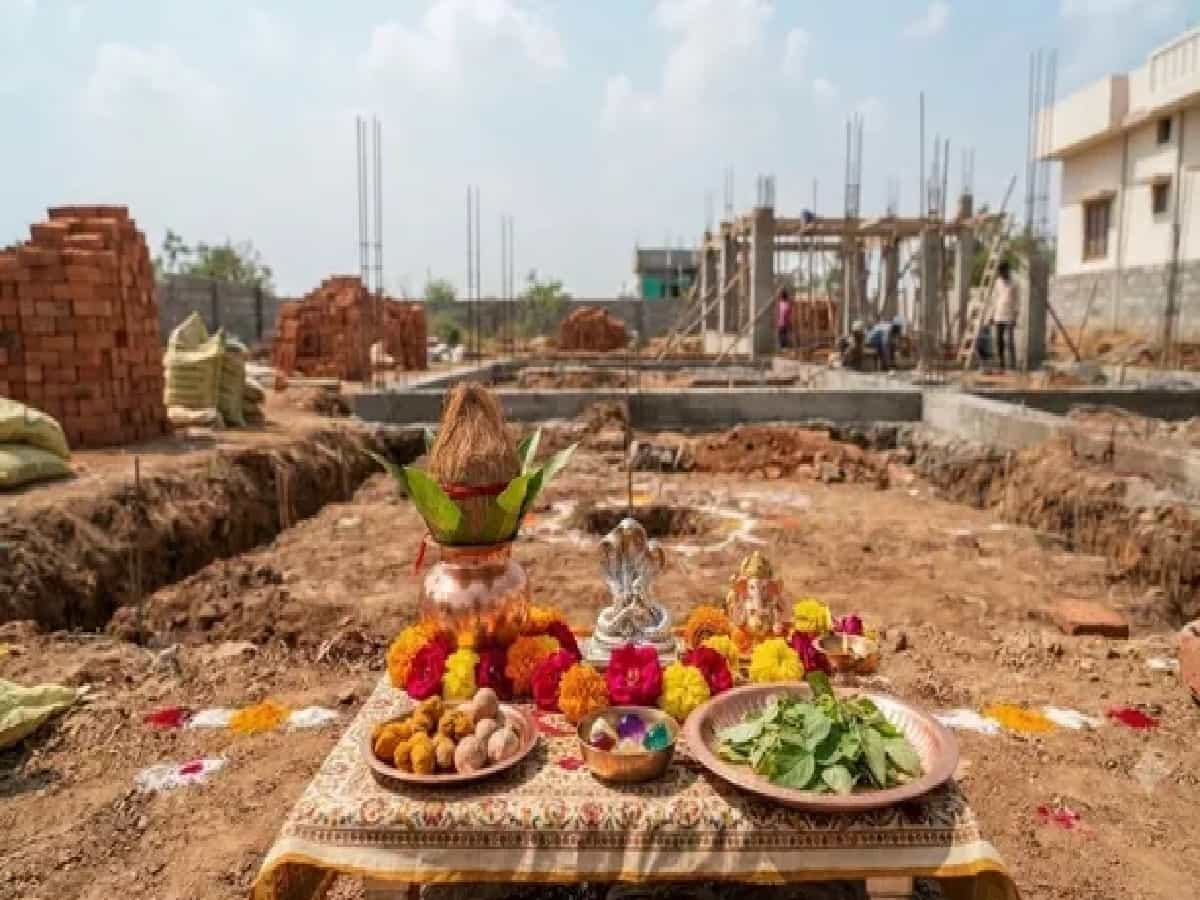
Vastu Shastra: Keep These 5 Auspicious Items in House Foundation
Building a dream home is one of the most cherished milestones in a family's life, and in Indian architectural tradition, Vastu Shastra emphasizes that lasting harmony begins beneath the ground before the first brick is laid. Performing Bhoomi Pujan (groundbreaking worship) and Neev Pujan (foundation ritual) aligns the dwelling with natural elements and directional energies. According to Vastu experts and traditional Hindu ritual texts, placing five sacred items inside the foundation pit during Neev Pujan invites positive energy, shields the household from Vastu defects, and brings lifelong prosperity and the blessings of Goddess Lakshmi.
Why Bhoomi Pujan and Neev Pujan Matter in Vastu Shastra
In Vastu Shastra, land is revered as Bhoomi Devi (Mother Earth), and digging into the earth to construct a residence is seen as seeking permission and harmony from nature. Traditional builders and homeowners across Lucknow, Varanasi, Prayagraj, Delhi-NCR, Jaipur, and other Indian cities perform Bhoomi Pujan and Neev Pujan—typically starting from the auspicious Ishan Kon (northeast corner)—to purify the plot and establish a stable energetic base for generations to come.
5 Auspicious Things to Keep in the Foundation of Your House
Vastu traditions highlight five sacred items that families traditionally place inside the foundation pit during the ceremony:
-
1. Copper Kalash (Sacred Urn): Placing a consecrated copper Kalash in the foundation is regarded as one of the most auspicious Vastu practices. Filled with holy water (such as Ganga Jal), coins, rice grains (akshat), and sacred puja offerings, the copper urn symbolizes abundance, elemental balance, and divine invocation—believed to sustain peaceful vibrations and material well-being inside the home.
-
2. Pair of Silver Snakes (Naga-Nagin Pair): Across numerous Indian building traditions, burying a small pair of silver cobras (Chandi ke Naag-Nagin) in the foundation is an integral part of Bhoomi Pujan. In Hindu cosmology, serpents are associated with subterranean realms, water, and the guardianship of land; placing them in the foundation is believed to appease Vasuki and Sheshnag, safeguarding the structure and protecting the family from sudden obstacles.
-
3. Whole Turmeric Lumps and Betel Nut (Haldi and Supari): Whole dried turmeric rhizomes (sabut haldi) and whole betel nuts (supari) hold deep ritual importance in Hindu weddings and consecrations. Turmeric represents purity, auspiciousness, and Jupiter's benevolent energy, while betel nut symbolizes firm resolve and sacred commitment—together anchoring financial stability and auspicious beginnings for the household.
-
4. Pancharatna (Five Precious Gems and Metals): Many Vastu and Vedic ritual traditions prescribe placing Pancharatna—traditionally comprising five precious items such as gold, silver, diamond, emerald, and sapphire (or five traditional gemstones and metals depending on regional custom)—tied securely in a clean red or yellow cloth during the groundbreaking ceremony. This offering is believed to harmonize planetary influences and attract enduring prosperity.
-
5. Tulsi, Betel Leaves, and Iron Nails: In several regional Vastu customs, sacred Tulsi (holy basil) leaves—cherished by Lord Vishnu and Goddess Lakshmi—along with fresh betel leaves (paan ke patte) and iron nails (lohe ki keel) are placed in the foundation. While Tulsi and betel leaves symbolize purity and divine grace, iron nails are traditionally associated with grounding the structure and shielding the home from negative energy.
Quick Reference: Foundation Items and Their Vastu Significance
| Sacred Item | Material / Form | Traditional Vastu & Spiritual Significance |
| Copper Kalash | Copper urn with holy water & coins | Invokes positive energy, elemental harmony, and Goddess Lakshmi's blessings |
| Silver Snake Pair | Pure silver (Naag-Nagin pair) | Honors subterranean land guardians and protects the household from troubles |
| Turmeric & Betel Nut | Whole haldi lumps & supari | Symbolizes purity, auspiciousness, and steady family prosperity |
| Pancharatna | Five gems/metals tied in sacred cloth | Balances planetary energies and invites long-term abundance |
| Tulsi, Betel Leaf & Iron Nails | Sacred leaves & iron nails | Combines spiritual sanctity with protective grounding against negativity |
Important Vastu Tips While Performing Foundation Worship
Vastu scholars note that exact ritual items and directional placement can vary slightly across family customs and regional traditions in North, West, and South India. Homeowners are generally advised to conduct Neev Pujan during an auspicious Shubh Muhurat—avoiding inauspicious periods like Kharmas or Rahu Kaal—and to consult a qualified priest or Vastu practitioner so the foundation stone is laid cleanly in the northeast (Ishan) quadrant with calm, grateful intention.




