







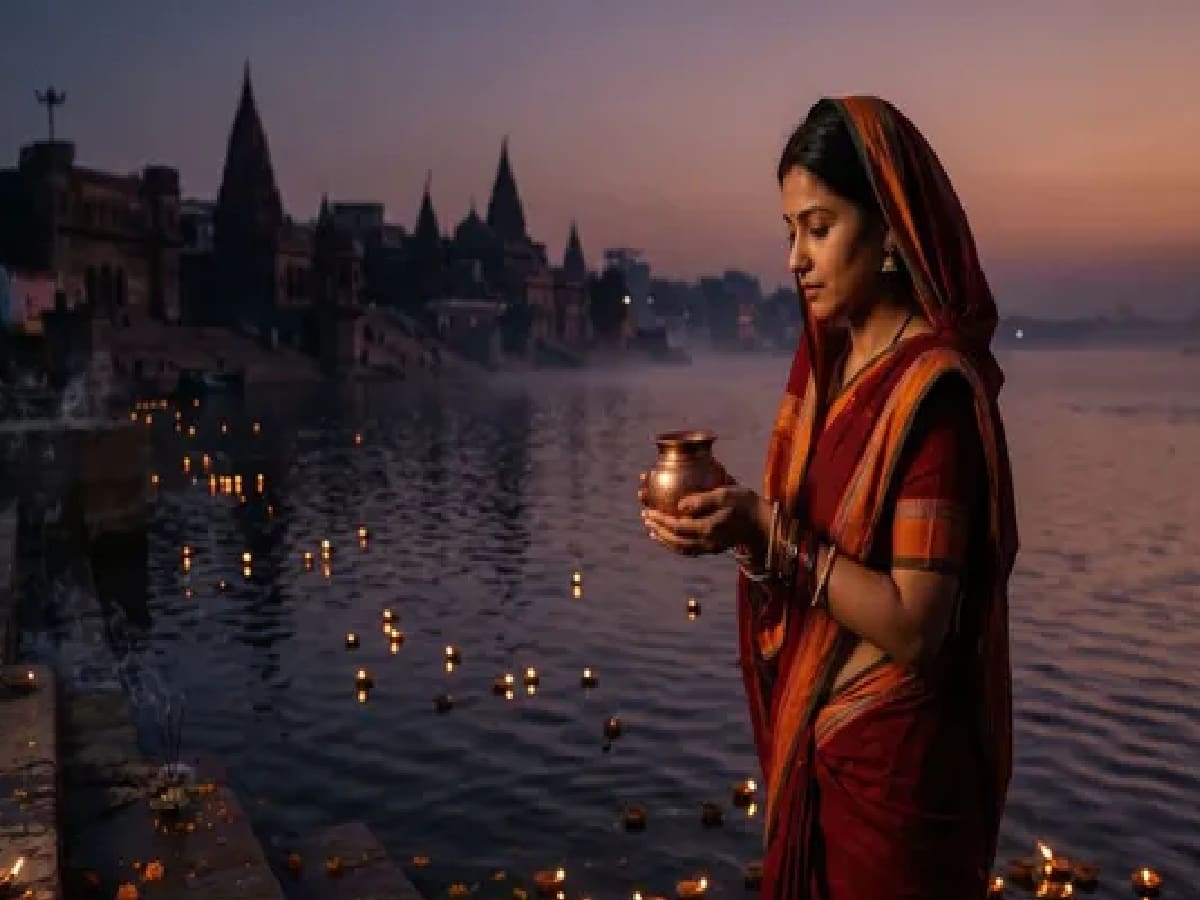
The Untold Mythological Reason Behind Yamuna Water and Yamraj
In Sanatan Dharma, rivers are revered not merely as life-sustaining water bodies, but as sacred maternal deities capable of washing away deep karmic impurities. Just as the holy waters of the Ganges are universally preserved in brass and copper vessels inside domestic puja rooms to purify household rituals, the sacred Yamuna holds an equally revered status across scriptural traditions. Devotees flock to its ghats from Mathura and Vrindavan to Delhi and Prayagraj, believing that an immersion in its sanctified waters absolves past transgressions and removes the fear of premature demise. However, despite its supreme spiritual sanctity, a centuries-old scriptural tradition strictly forbids bringing Yamuna water into household altars or storing it for domestic rituals. This curious spiritual paradox traces back to profound Puranic legends involving the deity of death and righteousness, Yamraj, alongside the divine pastimes of Lord Krishna on the banks of Braj.
The Cosmic Sibling Bond: Why the Shadow of Yamraj Keeps Yamuna Water Out of Domestic Altars
The foundational reason why Yamuna water is barred from residential storage lies in the river's celestial lineage and her direct relationship with the Lord of Death, Yamraj. According to Hindu mythology, Mother Yamuna—also venerated as Kalindi—is the divine daughter of Surya Dev (the Sun God) and Goddess Sanjna, making her the direct sister of Yamraj. Scriptural texts, including various Puranas, explain that the spiritual aura and essence of Yamraj permanently abide within the sacred waters of his sister. Because Yamraj represents mortality, final judgment, and the transition of the soul away from earthly existence, traditional Vedic wisdom holds that storing Yamuna water within the living quarters of a home energetically invites the presence and dwelling of Yama into the household. To preserve domestic harmony, prosperity, and the life energy of the family, sacred scriptures advise keeping the water in its natural flowing state rather than confining it within residential enclosures, maintaining a clear distinction between riverbed worship and domestic preservation.
Lord Krishna’s Divine Consort: The Legend of Kalindi and the Sacred Lotus Feet
Beyond the lineage of Surya and Yama, an equally compelling spiritual explanation stems from the eternal pastimes of the Dvapara Yuga, which link the river irrevocably to Shri Krishna. Regarded as one of the Ashta-Bharyas (the eight principal queen-consorts of Lord Krishna), Yamuna performed rigorous penance on the riverbanks to attain the Supreme Lord as her eternal companion. Pleased by her unwavering devotion, Lord Krishna accepted her as His fourth wife and granted her the profound boon that her waters would perpetually wash and reside at His divine lotus feet. Because her holy stream was sanctified to serve exclusively at the feet of the Lord, theological scholars and temple priests note that bottling her water to keep on ordinary domestic shelves is considered an act of disrespect toward that sacred covenant. Unlike the celestial Ganga, which descended via Lord Shiva's matted locks to sanctify the mortal realm, Yamuna’s divine role is anchored exclusively to the playground of the divine, intended to flow uninhibited across the holy land of Braj.
Yama Dwitiya and Holy Immersion: How Bathing Wards Off Untimely Death
While confining Yamuna water inside a house is traditionally discouraged, undertaking a holy immersion directly in its flowing currents is celebrated as one of the most meritorious spiritual acts a devotee can perform. The scriptures place extraordinary emphasis on taking a sacred bath on the auspicious occasion of Yama Dwitiya, widely celebrated as Bhai Dooj. Puranic legend narrates that when Yamraj visited his sister Yamuna on this specific tithi, she welcomed him warmly with delicious feasts and marked his forehead with an auspicious tilak. Deeply moved by her love, Yamraj granted a divine boon stating that any brother and sister who bathe together in the holy Yamuna on this day shall be liberated from the fear of 'Akaal Mrityu' (untimely or accidental death) and freed from the agony of Yamaloka. Thus, while Sanatan tradition firmly advises against bottling Yamuna water for home altars, stepping into its sacred waters remains a powerful pathway toward mental purification, inner tranquility, and enduring spiritual grace.




