







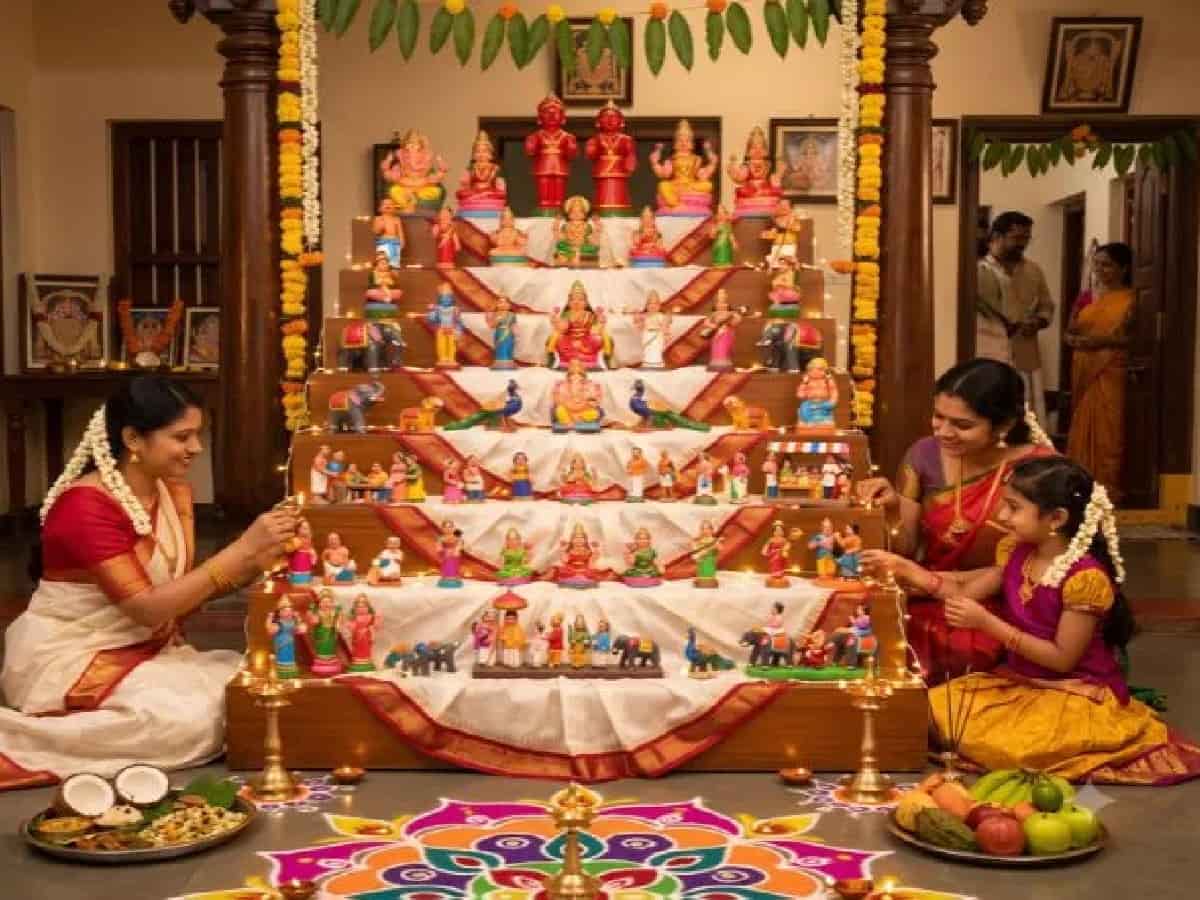
The Secret Behind Bommai Golu: Why Navratri Dolls Are Displayed on Steps
As the sacred nine-night festival of Sharadiya Navratri unfolds across India from Sunday, October 11, 2026, leading toward Vijayadashami on Tuesday, October 20, homes and shrines across South India transform into vibrant spiritual galleries. While diverse regional traditions honor the Mother Goddess across the subcontinent, the southern states observe an iconic cultural custom known as decorating dolls across stepped structures, celebrated as Bommai Golu in Tamil Nadu, Bommala Koluvu in Andhra Pradesh and Telangana, and Bombe Habba across Karnataka. Rooted in the spiritual triumph of Goddess Durga over the demon king Mahishasura, this intricate visual pageant transforms living rooms into vertical tapestries that narrate sacred lore, chronicle societal life, and preserve ancestral heirlooms across generations.
From Vijayanagara Royalty to Tiered Altars: The Historic Evolution of Golu Steps
The tradition of erecting elaborate doll exhibits dates back centuries to the glorious Vijayanagara Empire, where Navratri and Dussehra were observed as grand royal festivals along the storied avenues of Hampi. This regal heritage was subsequently preserved and nurtured by the Wodeyar royal dynasty of Mysore, gradually evolving from courtly pageantry into a cherished household custom across southern India. The display is assembled using an odd number of tiers—typically 3, 5, 7, 9, or 11 steps—with each tier meticulously draped in pristine silk or cotton cloth and adorned with festive lights. Spiritually, the ascending steps symbolize the evolutionary journey of the soul, progressing from mundane earthly existence depicted on the lower levels toward divine supreme consciousness enshrined at the very top.
Sacred Epics, Royal Processions, and Timeless Marapachi Heirlooms
The thematic diversity of the Golu display spans the entirety of Hindu iconography and daily life, featuring consecrated idols of Lord Ganesha, Goddess Lakshmi, Saraswati, Durga, Meenakshi, Kamakshi, Lord Shiva, and Lord Krishna, alongside revered creatures like the Kamadhenu cow, elephants, lions, parrots, monkeys, and the serpent deity. Flanking these celestial forms are dynamic thematic dioramas illustrating everyday village life, including bustling coconut stalls, women performing agricultural chores, vegetable and fruit carts, dancing royal couples, the regal Mysore Dasara procession, and rhythmic oscillating Tanjore dolls. Epic narratives from the Ramayana and Mahabharata are recreated with remarkable precision, portraying landmark scenes such as Sita Kalyanam, Gauri Kalyanam, Tataka Vadha, Rama Setu Bandhana, the divine births of Lord Rama and Krishna, Vaaranam Aayiram, Kumbhakarna’s slumber, the lifting of the Sanjeevani mountain, the slaying of Ravana, Sri Rama Pattabhishekam, and the historic breaking of Lord Shiva's bow. Anchoring every traditional exhibit are the auspicious Marapachi Bommai—handcrafted wooden couple figurines sculpted from red sanders or teakwood that are gifted to brides and passed down through generations as cherished family heirlooms. Throughout the festival, these sacred figures are treated like living members of the household, tenderly serenaded with nighttime lullabies before being symbolically laid to rest on the evening of the tenth day. On the eleventh day, the figurines are carefully packed away in the ancestral Gombe Thotti (doll pavilion) until the next autumn, while families invite neighbors, friends, and relatives to chant devotional hymns, exchange traditional gifts, and share wholesome satvik delicacies.




