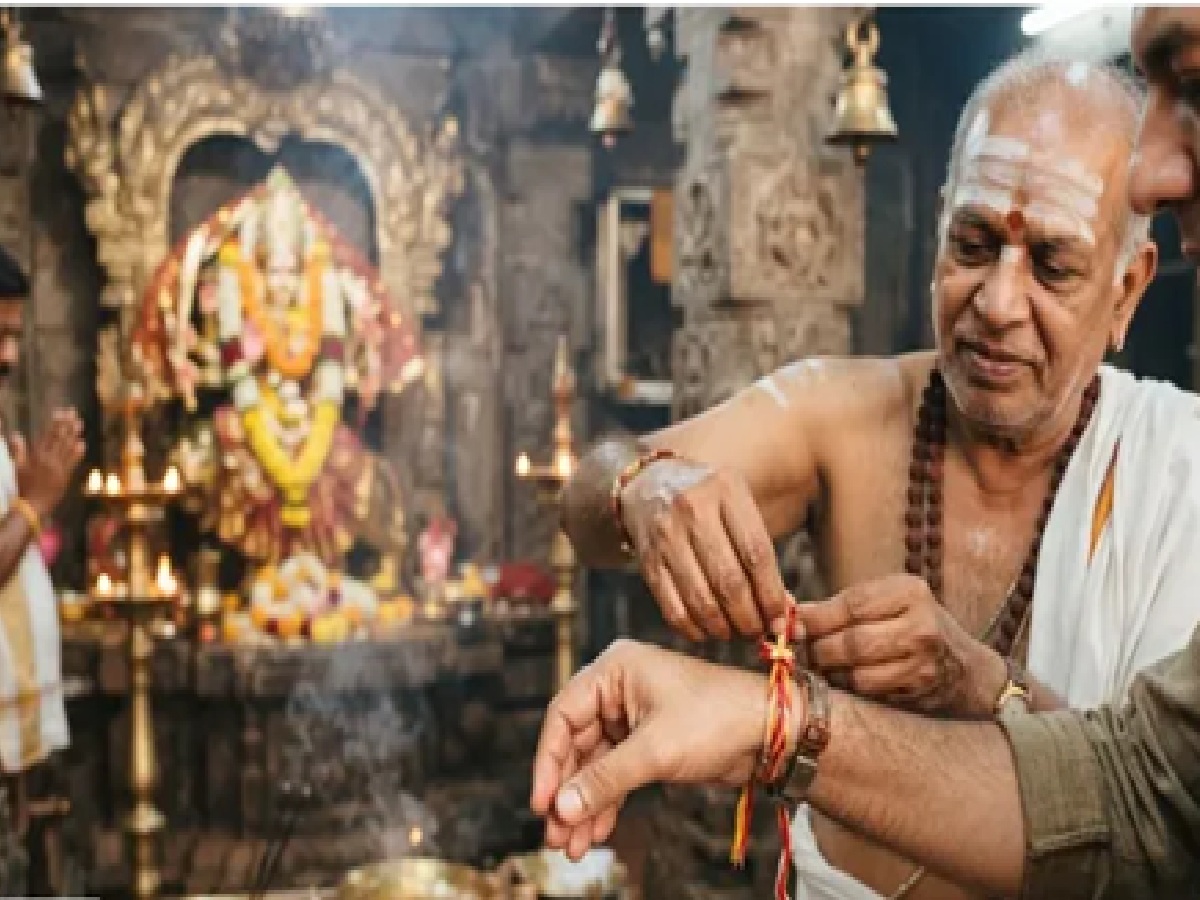
The Sacred Thread: Understanding the Hidden Meaning Behind the Colors of 'Kalava'
Whether you call it Mauli, Raksha Sutra, or Kalava, this vibrant thread tied around the wrist is a ubiquitous sight in Indian temples. More than just a traditional accessory, it is considered a powerful protective shield. In Hindu culture, the act of tying this thread at the beginning of any ritual is believed to invoke divine energy, ward off negativity, and harmonize the practitioner's inner and outer self. But have you ever wondered why different colors are chosen for specific prayers? Each hue carries a unique spiritual vibration.
The Divine Symbolism of the Red Kalava
Red is perhaps the most common color for the Raksha Sutra, and for good reason. It is universally recognized as a symbol of power, vitality, and action. Tied to honor the energy of Goddess Durga and Lord Hanuman, the red Kalava is believed to instill profound self-confidence and courage in the wearer. It acts as an energetic anchor, helping individuals maintain positivity and mental strength even during challenging life phases.
Wisdom and Peace: The Significance of Yellow
The yellow Kalava is synonymous with wisdom, purity, and spiritual balance. Dedicated to Lord Vishnu and Brihaspati Dev, this thread is primarily associated with attracting prosperity and intellectual clarity. Devotees often choose the yellow variant during religious rituals, ceremonies, or auspicious occasions to invite good fortune. Wearing it serves as a reminder to lead a life grounded in knowledge, calm, and righteous living.
Protection Against Negativity: The Black Thread
While often used for different purposes than the vibrant red or yellow, the black Kalava is a traditional remedy for protection against the "evil eye" (buri nazar). Often linked to the energy of Shani Dev or Goddess Kali, this thread is used to create a psychic shield. Many believe that wearing a black sacred thread helps clear obstacles in one's path, protecting the wearer from negative intent and ensuring that their hard work is not hampered by external distractions or jealousy.
Essential Rules for Tying the Sacred Thread
To ensure the Kalava serves its purpose as a protective and auspicious charm, traditional guidelines suggest following a specific protocol:
-
Presence of the Divine: Always have the thread tied in front of a deity in a temple or during an auspicious task.
-
The Offering: Your hands should never be empty while receiving the thread; holding Akshat (unbroken rice) or a coin is considered customary.
-
Wrist Placement: Traditionally, unmarried girls tie the thread on their right wrist, while married women wear it on the left.
-
Mindful Posture: While the thread is being tied, keep your fist closed and place your other hand on your head as a mark of respect.
-
Intention: Always keep your favorite deity in mind throughout the process, focusing on the intention of seeking protection and guidance.
By understanding the significance behind these colors and the proper way to wear them, the Kalava becomes more than a mere ritual—it transforms into a daily reminder of faith, protection, and the divine grace that guides every step of your journey.