







The Sacred Science Behind Why Maa Durga’s Worship Demands Halwa, Puri, and Chana
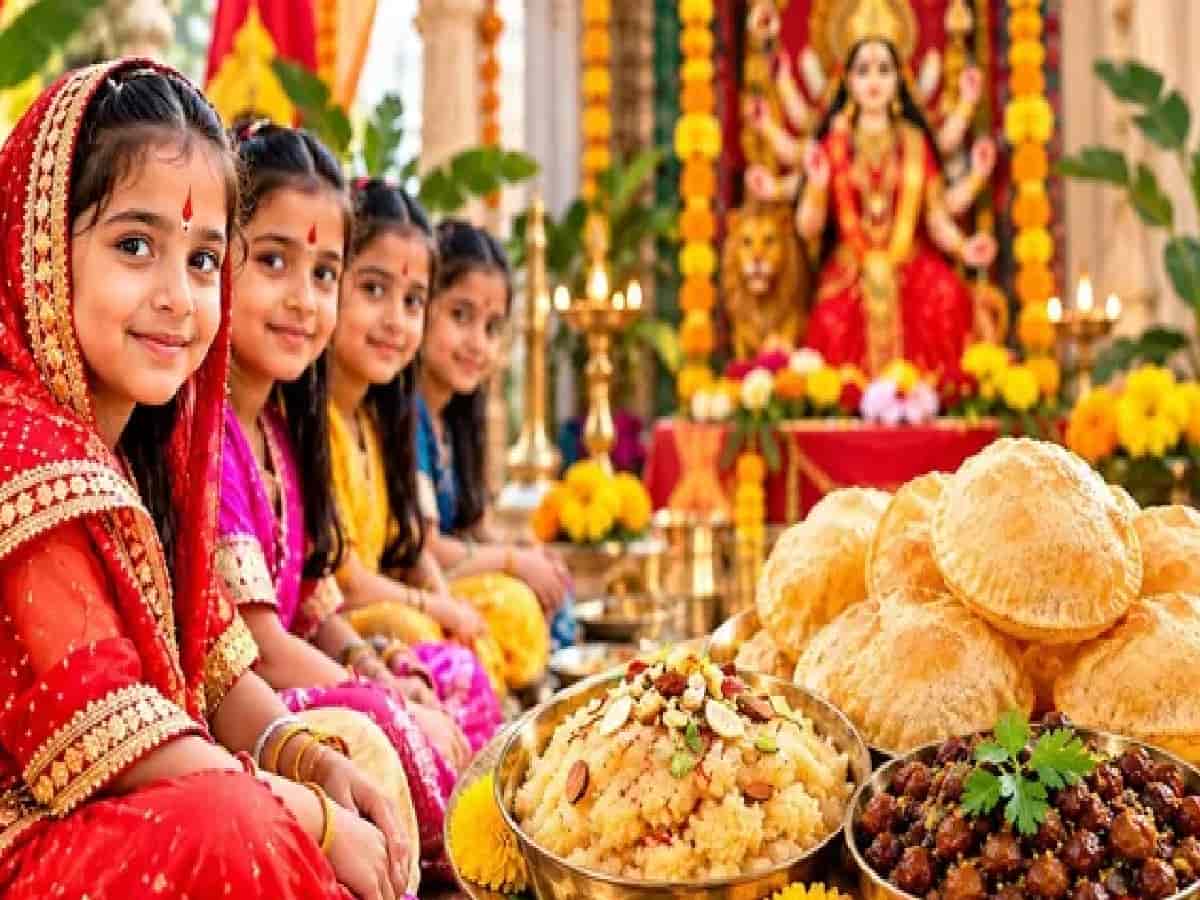
Across North India and diaspora households, the spiritual crescendo of Sharadiya Navratri arrives on the sacred dates of Maha Ashtami and Maha Navami, when homes open their doors to young girls for the time-honored ritual of Kanya Pujan. Commencing on Sunday, October 11, 2026, and leading up to Vijayadashami on Tuesday, October 20, the festival views pre-pubescent girls as living embodiments (swaroops) of Goddess Durga, honoring them through washing their feet, applying tilak, tying the sacred mauli, and serving a dedicated traditional feast. At the core of this ritual hospitality sits a distinct culinary offering that has remained unchanged for centuries: golden, crisp puris, rich semolina halwa cooked in pure desi ghee, and spiced dry black gram (kala chana). While this menu is universally recognized as the definitive prasad of the festival, its mandatory presence carries deep spiritual symbolism and practical seasonal wisdom.
Sacred Symbolism: How Halwa, Puri, and Black Gram Embody Divine Shakti
In Sanatan Dharma liturgy, the preparation of this tripartite meal serves as both an act of deep reverence and the fulfillment of Anna Daan (the sacred charity of nourishing food). Each component of the plate corresponds directly to core spiritual virtues associated with Goddess Durga’s cosmic grace. The halwa, meticulously prepared from roasted semolina (sooji), wholesome desi ghee, and unrefined sugar, embodies pure sattvic sweetness (madhurya) and festive celebration, sweetening life’s journey and inviting divine auspiciousness into the home. Conversely, the humble black chickpea represents physical resilience, inner endurance, and life force (bala), mirroring the Goddess's fierce protective power that vanquishes negativity and hardship. Balancing the two is the freshly fried, puffed wheat puri, which symbolizes fullness, universal abundance, and material contentment. Offered together with absolute devotion, this pure vegetarian preparation provides an uncomplicated, deeply satisfying feast that easily accommodates multiple guests while expressing gratitude to the Divine Mother.
Ayurvedic Wisdom: The Seasonal Health Logic Behind the Autumn-Winter Bhog
Beyond theological symbolism, the specific choice of halwa, puri, and black gram is closely aligned with traditional Ayurvedic wellness during seasonal transitions. Sharadiya Navratri unfolds during the critical meteorological junction of Ritu Sandhi, when the sweltering heat of post-monsoon autumn gradually yields to early winter chills. During this sensitive phase, the human body’s digestive fire (jatharagni) fluctuates, requiring nutrient-dense, warming foods to fortify natural immunity. Black chickpeas offer a concentrated reservoir of plant-based protein, dietary fiber, and essential minerals, providing sustained stamina to young children and fasting devotees alike. Simultaneously, the calorie density of pure ghee and warm wheat puris provides vital lubrication and internal thermal warmth, preventing seasonal lethargy and shielding the body against seasonal respiratory ailments. While regional traditions occasionally incorporate seasonal fruits, kheer, or regional sweets into Kanya Pujan, the enduring popularity of halwa, puri, and chana across the northern heartland stands as a timeless testament to how Indian spiritual customs seamlessly harmonize spiritual devotion with physical vitality.




