







The Deep Spiritual Secret Behind Bundelkhand's Most Electrifying Navratri Hymn
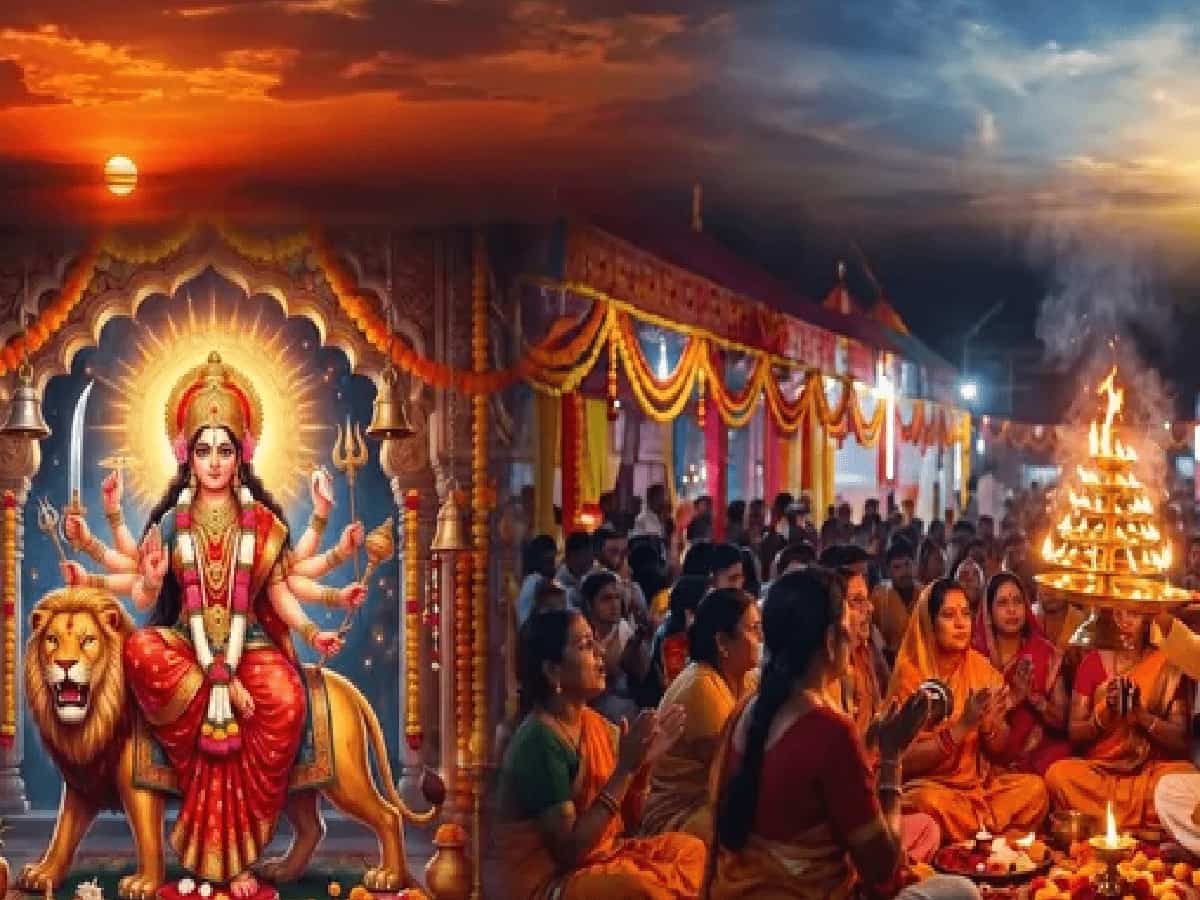
With the festive spirit of Sharadiya Navratri sweeping across the country, millions of devotees stay awake through the night during sacred Jagratas, chanting hymns that awaken boundless spiritual energy. Among the rich array of regional devotional music in India, few compositions hold as hypnotic and uplifting a sway as Bundelkhand's legendary folk hymn, Kare Bhagat Ho Aarti Mai Doi Biriya. Rooted in centuries-old rural traditions, this soul-stirring Bundeli Jas has transcended geographic boundaries to become a mandatory anthem at Navratri night vigils, temple gatherings, and community pandals from Central India to major metropolitan cities.
The True Meaning of 'Doi Biriya': Pure Devotion Without Complex Rituals
The raw beauty of Bundeli folk literature lies in its effortless connection between everyday rural life and profound divine surrender:
-
Literal Meaning of the Sacred Line: In the Bundeli dialect, the line translates to: "Your faithful devotee performs Your sacred Aarti both times every single day without fail."
-
Understanding 'Doi Biriya': The word Biriya signifies "times" or "junctures"—specifically dawn (sandhya prabhat) and dusk (sandhya saanjh)—symbolizing a devotee's unbroken commitment to invoke Mother Goddess Durga at both pivotal thresholds of the day.
-
Simplicity Over Complex Sanskritic Rites: Unlike intricate Vedic chants requiring strict ritualistic knowledge, this folk bhajan honors the heartfelt, unpretentious affection of ordinary people offering simple earthen lamps and unconditional trust to Maa Bhavani.
The Power of Bundeli 'Jas': Why It Serves as the Crown Jewel of Night Jagratas
Within the cultural heartlands of Bundelkhand and neighboring Chhattisgarh, the song belongs to an ancient tradition known as Jas:
-
Divine Praise and Spiritual Invocation: A Jas is a rhythmic song of glorification crafted specifically to awaken, praise, and invoke the dynamic presence of the Divine Mother during periods of intense spiritual sadhana.
-
Rhythmic Vibrations: Set to the thunderous beats of traditional dholaks, clay drums, and cymbals (manjira), the ascending tempo of the hymn charges the Jagrata atmosphere, helping devotees overcome nocturnal fatigue and enter states of spiritual ecstasy.
-
Direct Covenant with the Divine: The lyrics act as an open dialogue where the devotee gently reminds the Divine Mother of their unwavering daily service, confidently seeking Her maternal grace, protection, and prosperity in return.
The Universal Appeal: Bringing Goddess Durga's Blessings into Modern Festivities
As cultural borders dissolve in the digital era, the widespread adoption of this rustic hymn highlights a broader spiritual resonance:
-
Emotional Resonance Over Complex Lyrics: The song proves that connecting with divinity requires pure emotion (bhava) and true surrender rather than elaborate linguistic mastery.
-
Deepening the Mother-Devotee Bond: Singing Kare Bhagat Ho Aarti Mai Doi Biriya before the illuminated idol of Maa Durga at midnight deepens the devotional connection, bridging modern lifestyles with authentic grassroots folklore.
-
Must-Have Jagrata Tradition: Devotees participating in Navratri vigils are actively incorporating this vibrant Bundeli composition into their evening schedules to invite the motherly protection and lasting blessings of Maa Jagdamba into their households.




