







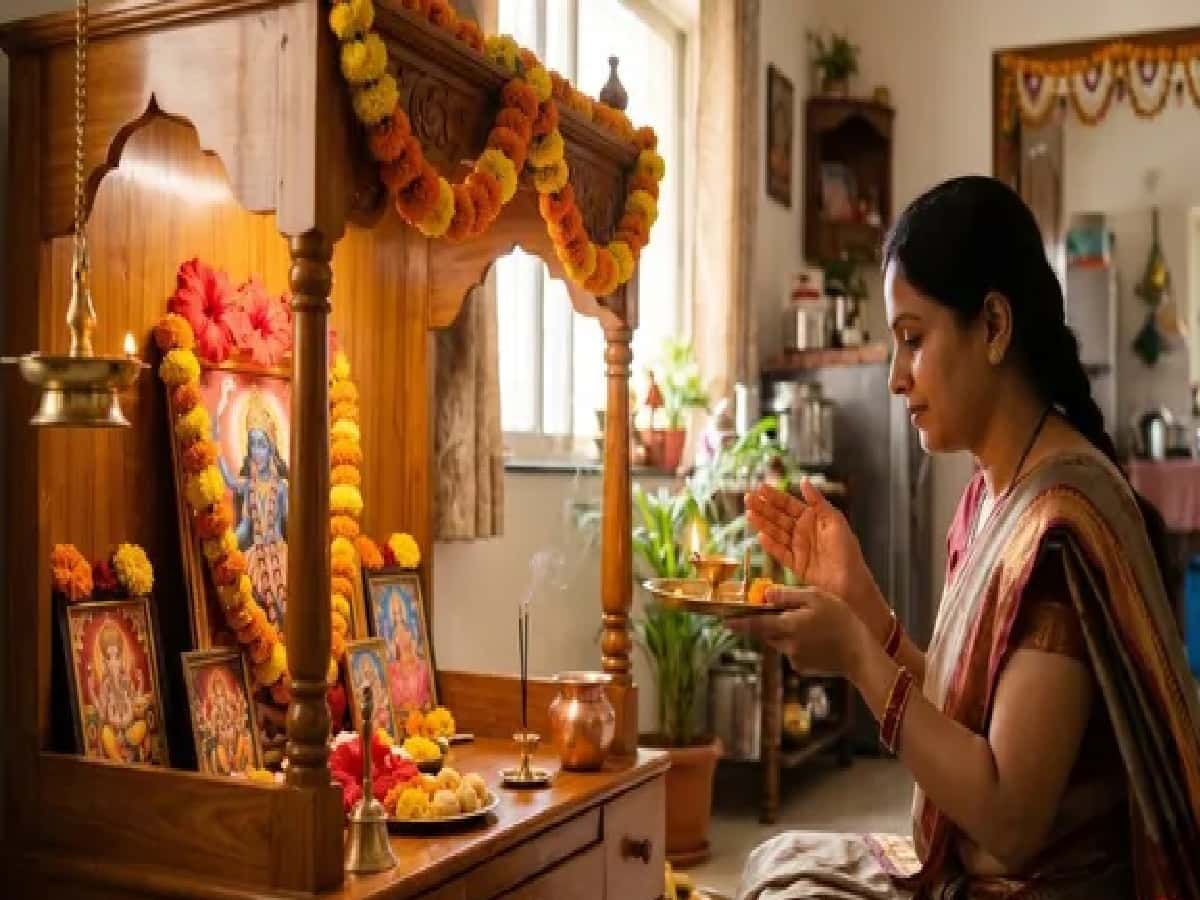
Should You Keep Maa Kali's Photo at Home, Vastu & Shastra Rules
In Hindu spiritual tradition, Goddess Kali is revered as the supreme embodiment of cosmic energy, fearlessness, courage, and the relentless destroyer of evil and negativity. Because her worship is deeply associated with Tantric traditions and her iconography frequently portrays a fierce, awe-inspiring visage, devotees across households often wrestle with a lingering doubt: should you really keep a picture of Maa Kali inside a home temple, or could doing so invite unwanted spiritual intensity? Many families hesitate to install her image out of apprehension toward her Ugra (fierce) form, whereas countless devotees worship her daily as a protective Divine Mother. According to Vastu Shastra and traditional scriptural beliefs, keeping an image of Goddess Kali at home is not inherently forbidden or inauspicious—rather, it is governed by clear spiritual prerequisites, proper selection of iconography, and disciplined daily worship. Rather than bringing misfortune, Maa Kali is regarded as a fierce guardian who dispels negative energies, instills inner resilience, and shields her devotees from fear and unrighteousness. However, scriptural guidance emphasizes that devotees must understand the distinction between general household devotion and formal Tantric sadhana, ensuring that whichever form of the Goddess is placed in the home prayer room aligns with family traditions and proper Vastu etiquette. For spiritual readers, homeowners, and devotees across New Delhi, Lucknow, Varanasi, Prayagraj, Kolkata, Kamakhya, Ujjain, Mumbai, Jaipur, and Bengaluru, understanding these Vastu and scriptural principles helps dispel common myths while fostering respectful, harmonious worship at home.
Vastu Shastra and Scriptural Guidelines for Keeping Maa Kali's Picture at Home
To help households navigate traditional beliefs with clarity, the table below summarizes the key Vastu Shastra and scriptural rules governing the placement and worship of Goddess Kali in a domestic setting:
| Spiritual / Vastu Aspect | Traditional Guideline & Scriptural View | Practical Significance for Home Devotees |
| Is It Auspicious to Keep Maa Kali at Home? | Yes, when accompanied by proper reverence and adherence to rules. Maa Kali removes negative energy and grants courage, self-confidence, and protection. | Dispels the misconception that Maa Kali's presence automatically harms household peace. |
| Role of Initiation (Diksha) & Siddhi | Traditional scriptures advise keeping formal Tantric or intense Ugra forms only if the worshipper has received initiation (Diksha) or attained spiritual accomplishment (Siddhi). | Uninitiated householders are advised to follow simple, sattvic family traditions rather than complex Tantric rituals without a guru. |
| Choosing the Right Form (Saumya vs. Ugra) | Select a clear, reverence-inspiring depiction. Families following conventional household worship prefer a peaceful (Saumya) or benevolent form (such as Dakshina Kali), whereas initiated practitioners may worship fierce (Ugra) forms. | Ensures the visual energy in the home altar remains serene, uplifting, and aligned with household discipline. |
| Home Temple Placement & Cleanliness | Install the picture in a clean, quiet, and dedicated prayer room (puja ghar) where regular worship is possible; never place it near cluttered or unsanitary spaces. | Preserves sanctity, focus, and peaceful vibrations throughout the living space. |
| Daily Worship, Cloth & Bhog Discipline | Keep the frame spotless, seat or drape the altar respectfully with a red cloth, perform daily puja and aarti, and offer devotional bhog regularly. | Consistency and sincerity are considered essential once Goddess Kali is invited into the home shrine. |
Understanding the Role of Initiation and Choosing Between Peaceful and Fierce Forms
One of the most important distinctions highlighted in religious texts concerns initiation (Diksha) and the nature of the depiction chosen for a household shrine. Because classical Kali sadhana involves concentrated spiritual discipline, scriptures caution against keeping intense Tantric or Ugra representations at home without proper initiation under a qualified guru.
For everyday family worship, Vastu and religious traditions recommend choosing a clear, dignified image that evokes pure devotion and maternal grace—matching the family's established customs. Regardless of whether a household worships a gentle form or an initiated devotee venerates a fierce form, unwavering respect, purity of intention, and emotional reverence remain paramount.
Essential Vastu Precautions Once Maa Kali's Image Is Installed
Once a picture of Goddess Kali is placed in a quiet, clean corner of the home temple, maintaining sanctity is non-negotiable. Devotees should keep the photograph thoroughly clean, use a red cloth respectfully in the shrine, avoid letting clutter or unused items pile up around the altar, and ensure regular daily puja, aarti, and sacred food offerings (bhog) are never neglected. Observed with faith and discipline, Maa Kali's presence becomes a source of strength, clarity, and spiritual protection for the entire household.




