







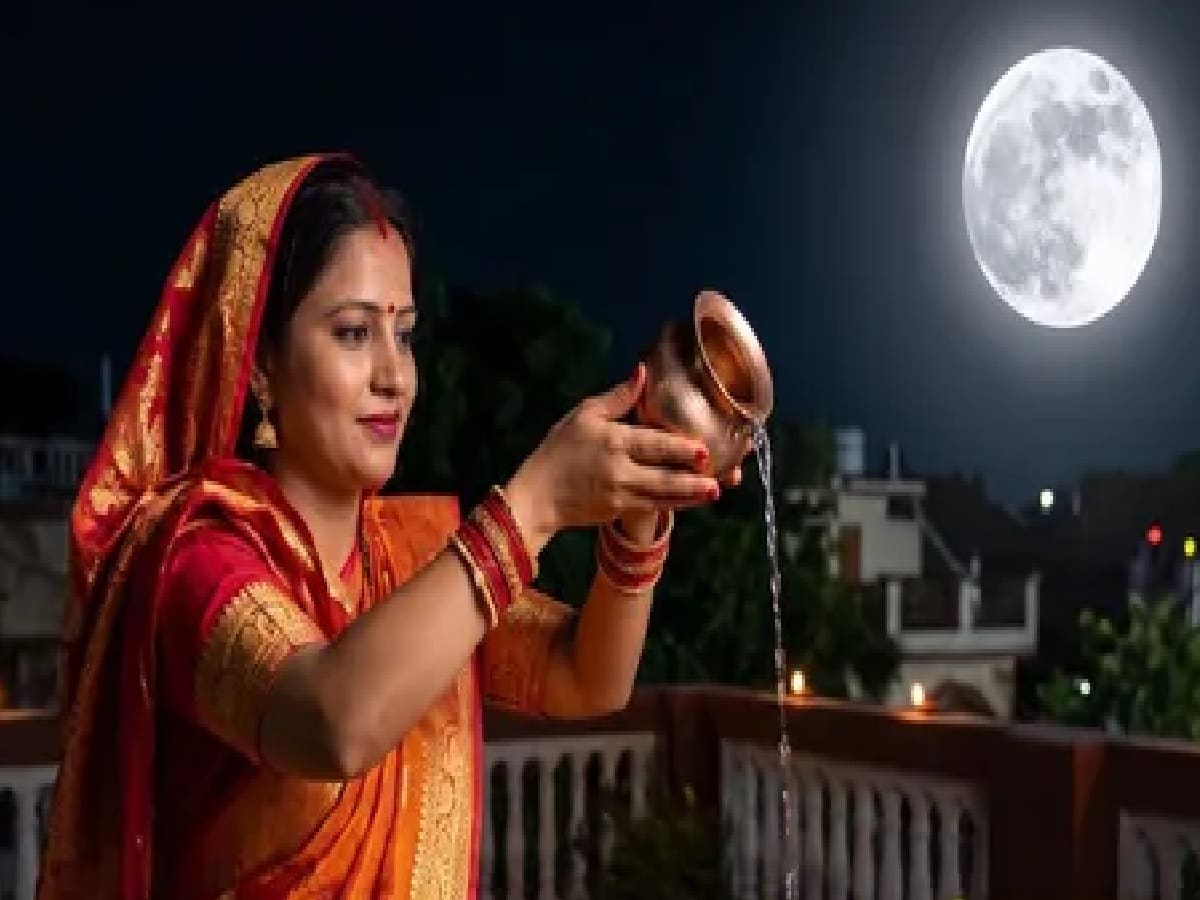
Sharad Purnima: Clay, Copper, or Brass, Right Pot to Offer Moon Arghya
The auspicious night of Sharad Purnima holds profound spiritual and astrological significance across Sanatan Dharma, marking the rare celestial occasion when the full moon illuminates the night sky adorned with all sixteen divine attributes (Shodasha Kalas). Revered as the night when cosmic rays shower life-giving nectar (Amrit) upon the earth, devotees nationwide observe sacred fasts, prepare traditional rice kheer to absorb the healing moonlight, and perform the central ritual of offering Arghya (consecrated water) to Chandra Dev to cultivate emotional tranquility, mental clarity, and domestic prosperity. However, as preparations begin for the sacred evening, a widespread ritual dilemma frequently arises among worshippers regarding the correct choice of vessel: should the ceremonial water be poured from an earthen pot, a copper pitcher, or a brass Kalash? Astrological insights from seasoned Vedic practitioners shed light on the metaphysical properties of each material, revealing that using the wrong metal can disrupt the elemental harmony of the offering.
The Sacred Kalash: Channeling Divine Cosmic Balance During Lunar Worship
In Vedic ceremonies, the Kalash is revered as a sacred microcosm of the universe, embodying completeness, vital life energy, and divine abundance. According to astrologer Brij Gautam of Astropatri, whenever a Kalash is filled with pure water and consecrated for worship, it serves as an energetic conduit that absorbs and magnifies positive cosmic vibrations. When presenting Arghya to the moon on Sharad Purnima, the vessel chosen to hold the sacred water acts as an elemental filter between the devotee and lunar energies. While the intention and emotional purity of the worshipper remain paramount, traditional ritual guidelines state that the material composition of the Kalash plays an active role in aligning physical elements with planetary vibrations, making it essential to select a vessel that harmonizes with Chandra Dev’s soothing, water-dominant nature.
Clay vs. Copper: Why Fiery Copper Must Never Be Used for Chandra Arghya
For devotees seeking natural simplicity, an unglazed earthen pot (Mitti ka Kalash) serves as an exceptionally auspicious medium for offering water to the moon. Representing the Prithvi (earth) element, natural baked clay is inherently unpolluted, organic, and grounded, making it completely aligned with ancient scriptural standards for nature worship. In stark contrast, Vedic astrology issues a strict cautionary advisory against using copper vessels when offering Arghya to the moon on Sharad Purnima. Although copper is universally celebrated in daily morning pujas and Surya Arghya, it is intrinsically ruled by the Sun and vibrates with the Agni (fire) and heat element. Offering water to the cooling, water-governed Moon through a fiery copper pitcher introduces an acute elemental conflict that counteracts lunar calm, which is why astrologers advise devotees to avoid copper entirely for Chandra Dev, recommending pure brass, silver, or even clean stainless steel if traditional metals are unavailable.
Brass Utensils: The Golden Standard for Harmonizing Mind, Health, and Prosperity
Brass (Pital) stands out as the most widely recommended and spiritually harmonizing metal for performing Sharad Purnima rituals. Extensively utilized in temple sanctums and home mandirs for sacred lamps, deities, and ceremonial pitchers, brass carries pure Sattvic energy that seamlessly aligns with auspicious Vedic rites. Devotees are advised to fill an immaculately cleaned brass Kalash with pure water—often accented with a splash of raw milk, white fragrant petals, and unbroken rice grains (akshat)—before stepping beneath the open night sky to offer the stream toward the glowing orb. Chanting lunar mantras with a peaceful heart while pouring the water from an elevated brass pot helps pacify afflicted planetary positions of the Moon in one's birth chart, dissolving emotional anxiety and inviting lasting serenity, health, and spiritual grace into the household.




