







Serving Halwa-Puri in Plastic Plates Strips Navratri Prasad of Divine Blessings
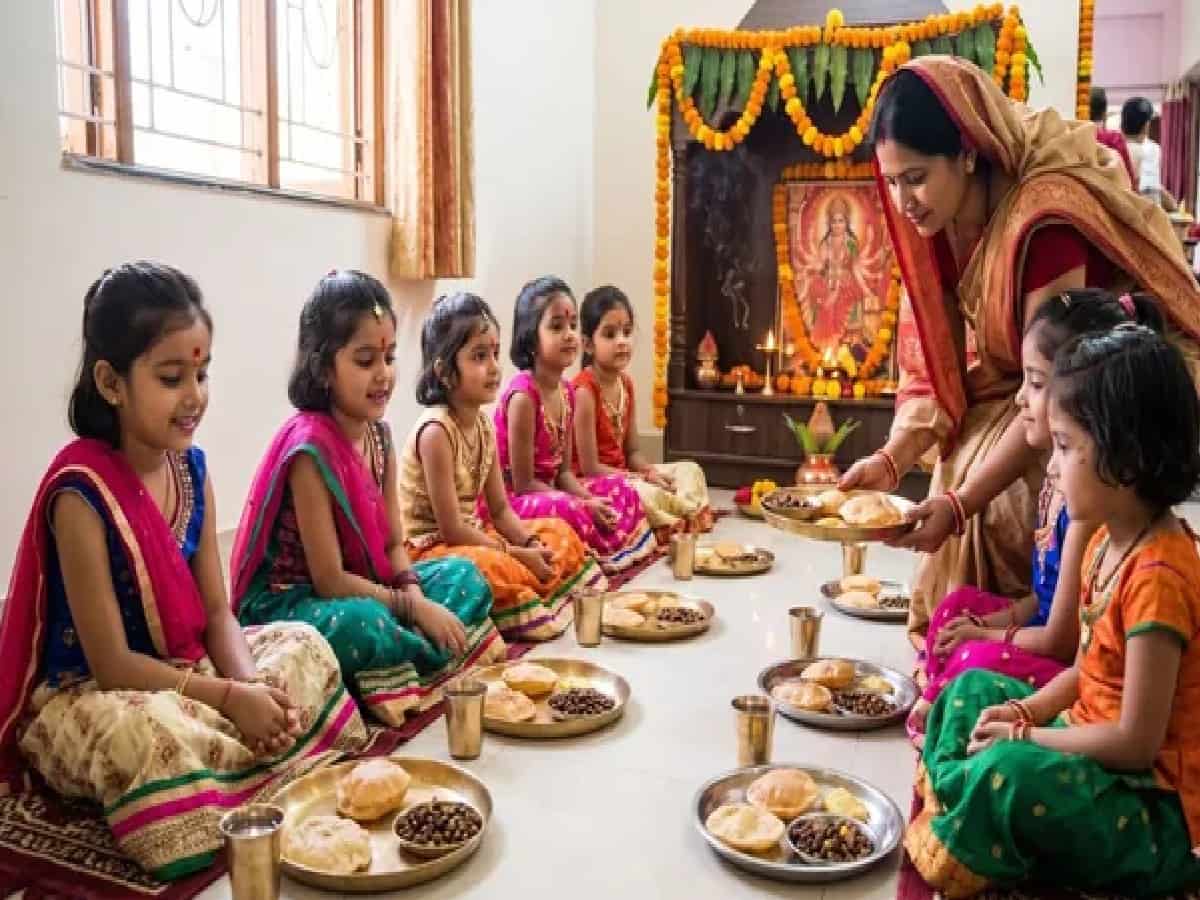
With the sacred festival of Sharadiya Navratri culminating in its most spiritually charged phase, millions of Hindu households across the country are preparing to perform Kanya Pujan, the time-honored ritual of worshipping young girls as living embodiments of Goddess Durga. This year, the auspicious Ashtami Tithi for Kanya Pujan falls on Sunday, October 18, 2026, followed closely by Maha Navami on Monday, October 19. During these twin festive days, devotees welcome nine young girls into their sanctified homes, washing their feet and reverently offering the traditional festive prasad of semolina pudding (sooji halwa), puffed fried bread (puri), and spiced black chickpeas (kale chane). While families exercise meticulous care in preparing the consecrated meal under strict rules of hygiene and devotion, a widespread modern convenience has quietly compromised the sacred ritual: serving the holy bhog on colorful, child-friendly plastic plates and disposable containers.
Scriptural Sanctity vs. Modern Convenience: The Tradition of Banana Leaves and Sacred Metals
In Vedic traditions and Hindu scriptures, the material composition of utensils used during worship carries profound spiritual weight, directly influencing the energetic purity (shuddhata) of the offering. Historically, ritual feasts and sacred food offerings were exclusively served either on organic banana leaves (patravali) or inside hand-beaten metal vessels. Classical texts identify metals like brass (peetal) and copper (tamba) as possessing the highest ritual purity, capable of preserving and transmitting spiritual vibrations without energetic decay. In contemporary times, many urban households avoid purchasing heavy brass or copper dining sets due to high costs and maintenance, instead reaching for vibrant, cartoon-printed plastic ware to attract young children. However, liturgical scholars clarify that if brass or copper is financially inaccessible, families should consistently choose clean stainless steel or traditional eco-friendly leaf plates over petrochemical-derived synthetics.
The Spiritual Consequence: Why Plastic Degrades Divine Bhog Into Ordinary Food
The underlying theological principle of Kanya Pujan dictates that devotees are not merely feeding neighborhood children, but directly serving the Mother Goddess in her tender Kanya-swaroop. When preparing bhog for temple altars or domestic deities, the use of plastic containers is universally rejected because synthetic polymer compounds are deemed ritually non-conductive and impure. Extending that identical reverence to Kanyas is an essential prerequisite for fulfilling the spiritual vows of Navratri. Religious experts warn that presenting consecrated prasad on plastic surfaces diminishes its ritual sanctity, conceptually degrading a divine offering into an ordinary domestic meal and forfeiting the spiritual fruits of nine days of austere fasting. Furthermore, hot puries and steaming halwa served on cheap plastic plates pose immediate chemical leaching risks, whereas food-grade stainless steel and traditional brass offer both spiritual cleanliness and physical safety, reminding devotees that prasad is an emblem of devotion that demands pure presentation.




