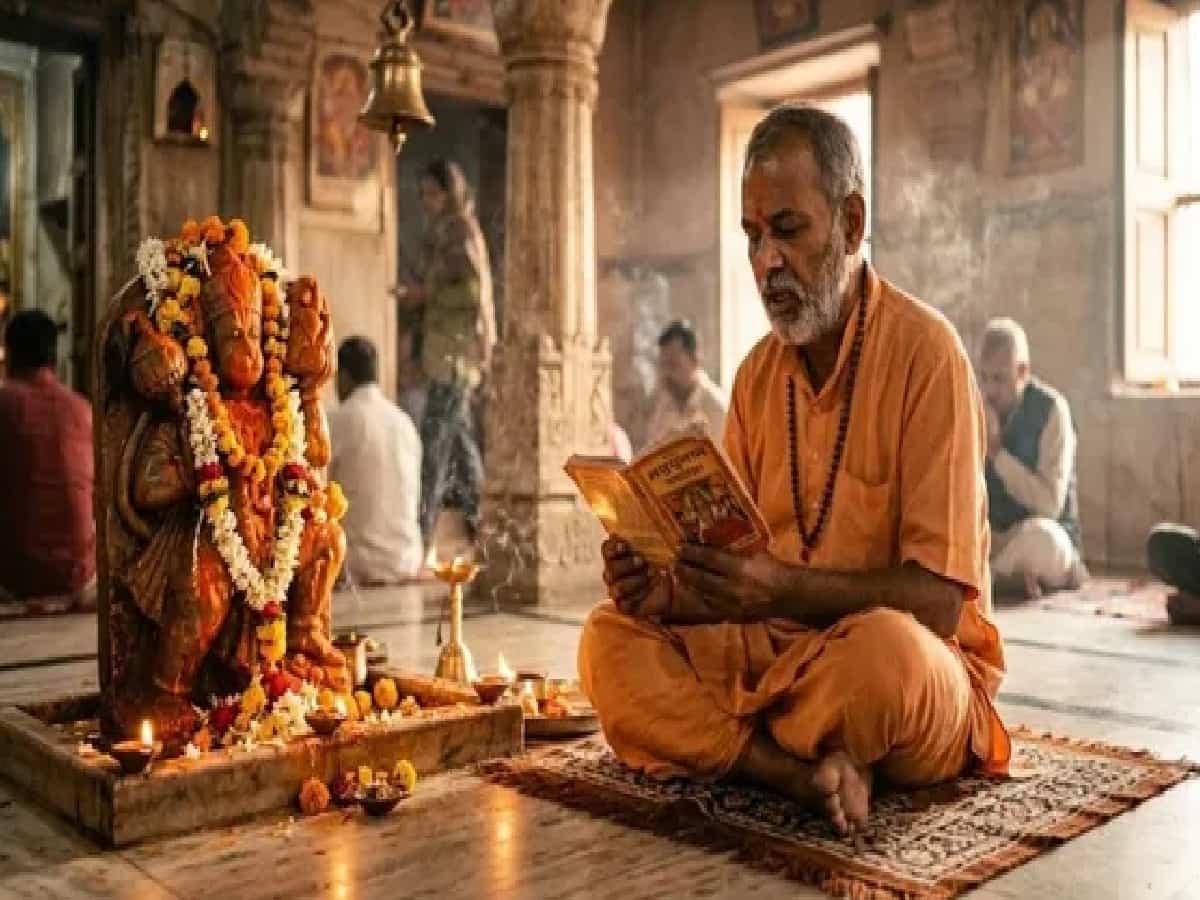
Secret Meaning & Power of Hanuman Chalisa's 2nd Chaupai
Composed by the revered 16th-century poet-saint Goswami Tulsidas, the Hanuman Chalisa stands as one of the most potent and widely recited devotional hymns in Sanatana Dharma. Revered by millions across the globe, regular and mindful chanting of these forty sacred Awadhi verses is believed to confer inner tranquility, banish fear, and dissolve negative energies obstructing daily progress. While the entire composition carries spiritual efficacy, specific quatrains (chaupais) hold distinct cosmic vibrations. The second chaupai encapsulates the complete spiritual identity, boundless physical vigor, and divine lineage of Lord Hanuman.
Unpacking the Sacred Verse: 'Ramdoot Atulit Bal Dhama...'
The foundational quatrain reads: "Ramdoot atulit bal dhaama, Anjani-putra pavansut naama." Translated into common parlance, this verse proclaims: "O Hanuman! You are the foremost emissary and divine messenger of Lord Shri Ram, and the infinite storehouse of immeasurable physical and spiritual power. You are the beloved son of Mother Anjana and are celebrated universally as the noble offspring of Pavana, the Wind God." A breakdown of the constituent words illuminates its deeper spiritual significance:
-
Ramdoot: The supreme envoy of Maryada Purushottam Lord Rama.
-
Atulit: Matchless, peerless, and beyond any earthly or celestial comparison.
-
Bal: Omnipotent divine strength, vitality, and courage.
-
Dhama: The eternal abode, sanctuary, or boundless repository.
-
Anjaniputra: The divine child born of Mother Anjana’s fierce devotion.
-
Pavansut: The spiritual son of Vayu Deva, inherited with boundless speed and lightness.
-
Naama: Renowned across the three worlds by these sacred names.
Miraculous Benefits: Vanquishing Chronic Fatigue and Stalled Tasks
According to Vedic scriptural traditions, meditating upon this specific chaupai acts as an instant energetic revitalizer. Devotees experiencing severe physical fatigue, emotional burnout, chronic lethargy, or mental anxiety are advised to chant this verse with focused intent. Chanting the phrase 'atulit bal dhaama' is believed to recharge the body's subtle life force (Prana), instilling resilience, self-confidence, and clear vision. Furthermore, scriptures affirm that invoking Lord Hanuman through this verse breaks recurring karmic impasses, reviving stalled projects and turning challenging circumstances into favorable outcomes.
Sacred Chanting Rules: 4 Mistakes You Must Avoid During Recitation
To maximize spiritual and psychological benefits, practitioners are advised to observe traditional ritual purities during recitation:
-
Purification and Clean Attire: Always bathe before sitting down for the path and wear clean, freshly washed attire, preferably in auspicious hues of red or saffron.
-
Dietary Discipline: Avoid the consumption of tamasic items, including non-vegetarian meals, alcohol, stale food, garlic, and onions, on days of recitation.
-
Proper Asana (Seating): Never sit directly on the bare cold floor. Shastric rules require chanting seated upon a red or saffron woolen mat or a traditional kusha grass asana to preserve positive spiritual vibrations.
-
Mental Equanimity: Approach the recitation with devotion. Avoid entering into arguments, gossiping, or harboring ill thoughts toward anyone before or during the prayer.