







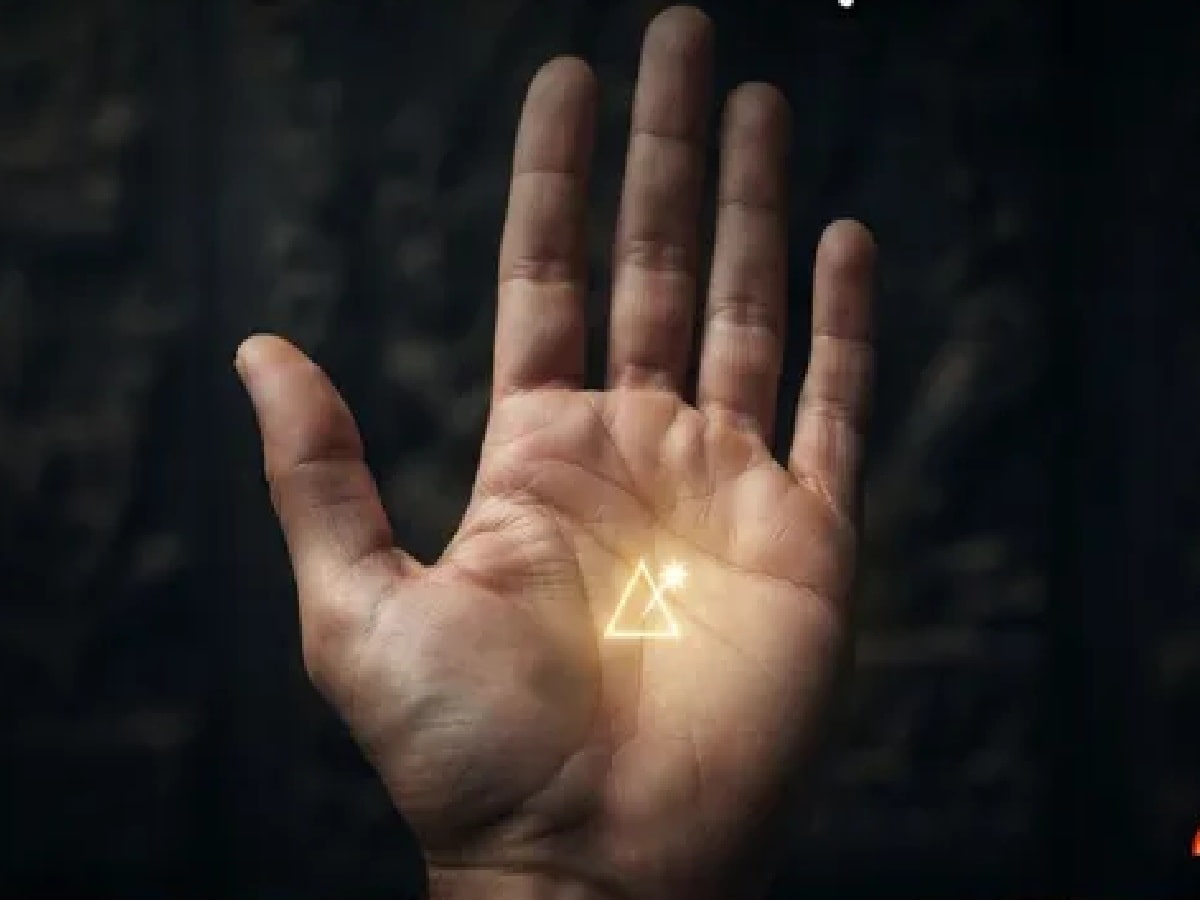
Rahu Mount Palm Marks: Triangle, Swastika, Star & Cross Meanings
Across Indian homes, temple towns, and spiritual consultations, Hastarekha Shastra (traditional Indian palmistry) has long fascinated seekers curious about how subtle lines and geometric symbols on the human palm mirror personality traits, turning points, and life resilience. Among all planetary zones mapped on the palm, few attract as much intrigue as the Mount of Rahu (Rahu Parvat)—the central hollow of the palm widely linked in Vedic astrology and palmistry to sudden life shifts, unexpected opportunities, unconventional breakthroughs, and tests of composure. Highlighted across religion and astrology desks on Wednesday, November 25, 2026, palmistry practitioners emphasize that while planetary mounts along the edges of the palm reflect steady temperaments, the Mount of Rahu right in the middle acts as a crossroads of destiny where major lines intersect. Whether an individual carries a crisp triangle, a rare swastika or conch symbol, a bright star, or a tangled cross and net, each formation on the Rahu Mount offers distinct clues about financial rise, intellectual intuition, and decision-making under pressure for readers across Lucknow, New Delhi, Varanasi, Ujjain, Haridwar, Jaipur, Mumbai, and Bengaluru.
Mount of Rahu in Palmistry: Location & Meaning of Key Palm Symbols
To bring together where the Mount of Rahu sits on the human palm and why palmists associate it with sudden changes, how auspicious symbols like the triangle, swastika, conch, and star are interpreted, and what a cross or net formation signals about stress and decision-making, the tables below organize all traditional palmistry insights:
Where Is the Mount of Rahu Located on the Palm?
| Anatomical & Palmistry Landmark | Exact Position on the Palm | Core Symbolic Role in Hastarekha Shastra |
| Mount of Rahu (Rahu Parvat) | Located in the exact center (hollow) of the palm, positioned below the Head Line (Mastishk Rekha) and nestled between the Mount of Venus (Shukra Parvat) and the Mount of Moon (Chandra Parvat). | Governs sudden turning points, unexpected rise or upheaval, strategic judgment, and how a person navigates crises. |
| Active vs. Passive Hand Rule | Traditional palmists examine both hands—reading the dominant (active) hand for present actions and evolving life trajectory, and the non-dominant hand for innate tendencies. | Confirms that palm lines evolve with conscious effort, discipline, and thoughtful choices rather than rigid fatalism. |
Auspicious vs. Challenging Markings on the Mount of Rahu
| Marking / Symbol on Rahu Mount | Nature of Sign | What It Indicates About Wealth, Career & Temperament |
| 1. Clear Triangle (Tribhuj) | Highly Auspicious | Reflects sharp analytical thinking, emotional composure, and strong problem-solving skills. Individuals with a well-formed triangle avoid impulsive leaps, navigate tough situations calmly, draw natural interest toward astrology, spirituality, and deeper philosophical subjects, and achieve solid success and advancement after early struggles. |
| 2. Swastika or Conch (Shankh) | Rare & Auspicious | Considered one of the rarest positive formations on the Rahu Mount. Associated with sudden recognition, financial progress, social respect, and unexpected career breakthroughs, alongside potential benefits from ancestral property and keen affinity for astrology, Vastu, and spiritual disciplines. |
| 3. Star (Nakshatra) | Significant / Breakthrough Sign | Symbolizes sudden achievements, dramatic positive turns, and unforeseen opportunities that can elevate a person's trajectory rapidly when paired with disciplined execution. |
| 4. Cross (X) or Net (Jaal) | Challenging / Cautionary Sign | Numerous criss-crossing or tangled lines suggest mental restlessness, indecisiveness, and a habit of overthinking minor issues. Palmists caution individuals with this pattern against hasty financial or personal decisions made under stress. |
Why Traditional Palmists View Mount Rahu as a Mirror of Decision-Making
In classical Hastarekha Shastra practiced across Varanasi, Lucknow, Ujjain, Haridwar, Prayagraj, and New Delhi, the Mount of Rahu is never read in isolation from the Fate Line (Bhagya Rekha) and Head Line (Mastishk Rekha) that pass through or border the center of the palm. Because Rahu represents sudden, unconventional shifts in Vedic tradition, a clean, unblemished symbol like a triangle, swastika, or star indicates an ability to stay grounded when unexpected opportunities arrive—whereas a net or cross highlights the value of slowing down, seeking counsel, and cultivating mental calm before acting.
Practical Perspective for Readers Exploring Palmistry
For readers in Lucknow, New Delhi, Jaipur, Varanasi, Mumbai, and Bengaluru examining their own palms out of curiosity, traditional scholars emphasize viewing palmistry as a tool for self-reflection and mindful decision-making rather than an unchangeable verdict. Cultivating patience, avoiding impulsive choices during stressful phases, and staying disciplined in one's craft remain the surest ways to turn potential into lasting progress.




