Pitru Paksha Falls Between Ganesh Utsav and Navratri: Vedic Spiritual Secrets of Cosmic Gratitude
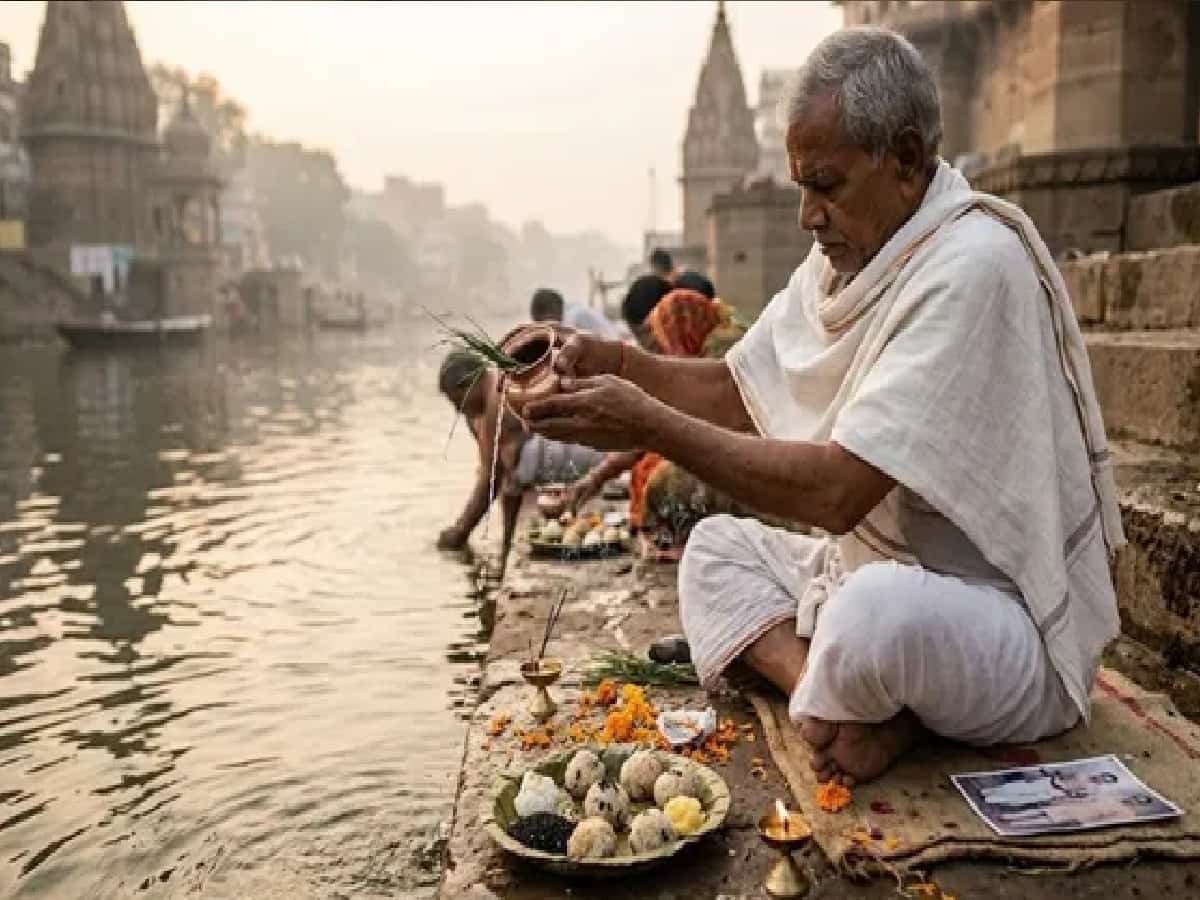
In the Hindu sacred calendar, the timing of Pitru Paksha holds profound metaphysical significance, positioned precisely as a spiritual bridge between two grand celebrations: Ganesh Utsav and Shardiya Navratri. The sequence reflects an intentional cosmic order designed by Vedic sages. Devotees first invoke Lord Ganesha, the remover of obstacles and embodiment of pure intellect, establishing wisdom and spiritual groundedness through earthen visarjan. Immediately following this comes the sacred sixteen-day fortnight dedicated entirely to honoring departed ancestors, forefathers, and universal sages. Only after satisfying ancestral debts (pitru rin) and cleansing the ego through deep gratitude does the spiritual seeker become pure enough to welcome the supreme feminine cosmic energy during Navratri. As Swami Maithili Sharan of Rishikesh notes, this unique fortnight is neither categorized as standard Shukla nor regular Krishna Paksha in spiritual essence; it is revered uniquely as Shraddha Paksha, a dedicated window of selfless surrender where worldly consciousness bows before ancestral heritage.
Cosmic Surrender: The Moon's Alignment and Ancestral Grace
The astronomical and metaphysical mechanics of Pitru Paksha center on the moon's gradual journey toward the new moon (Amavasya). Spiritually, Amavasya represents the absolute surrender of the moon into the radiant light of the sun. In Hindu philosophy, individual mortals are likened to the moon, illuminated solely by the glorious solar light of the virtues, good deeds, and sacrifices of preceding generations. Parents and grandparents strive tirelessly throughout their earthly existence for the welfare of their lineage; their transition into the divine realm amplifies this benevolent guardianship. Because ancestral consciousness is believed to remain actively attuned to the physical plane during this period, sacred acts such as feeding the underprivileged, reciting spiritual discourses (satsang), and distributing sanctified food (prasad) yield manifold spiritual merits, serving as an ego-dissolving spiritual practice.
Universal Brotherhood: Honoring Known Forefathers, Sages, and Fallen Martyrs
The foundational philosophy of Shraddha extends far beyond immediate bloodline ties to encompass universal gratitude toward the cosmos, historical sages, and fallen heroes. The Vedic Tarpan rites feature universal mantras invoking peace for all creation:
$$\text{"Abrahma-stamba-paryantam Devarshi-pitri-manavah, Tropyantu Pitarah Sarve Maitra-matamaha-dayah"}$$
This sacred verse seeks fulfillment for every sentient entity from Lord Brahma down to a blade of grass. Furthermore, the rites consciously remember souls who have no living descendants to offer water:
$$\text{"Ye Bandhava Abandhava Va Ye'nyajanmani Bandhavah, Te Triptim Akhilam Yantu Yashcha-smatto'kankshinah"}$$
Through this expansive consciousness, every oblation offered during Pitru Paksha honors not only family lineage but also nameless martyrs, rishis, and warriors who gave their lives for civilization. Echoing the sacred words of Goswami Tulsidas in the Ramcharitmanas, who offered reverent obeisance to all past, present, and future seers of divine truth, the annual ritual of Shraddha is an immortal tradition of cosmic gratitude, reminding modern generations to honor those whose sacrifices paved the path for today's world.