Navratri 2026: Why You Must Never Extinguish the Akhand Jyoti & Strict Rules to Follow
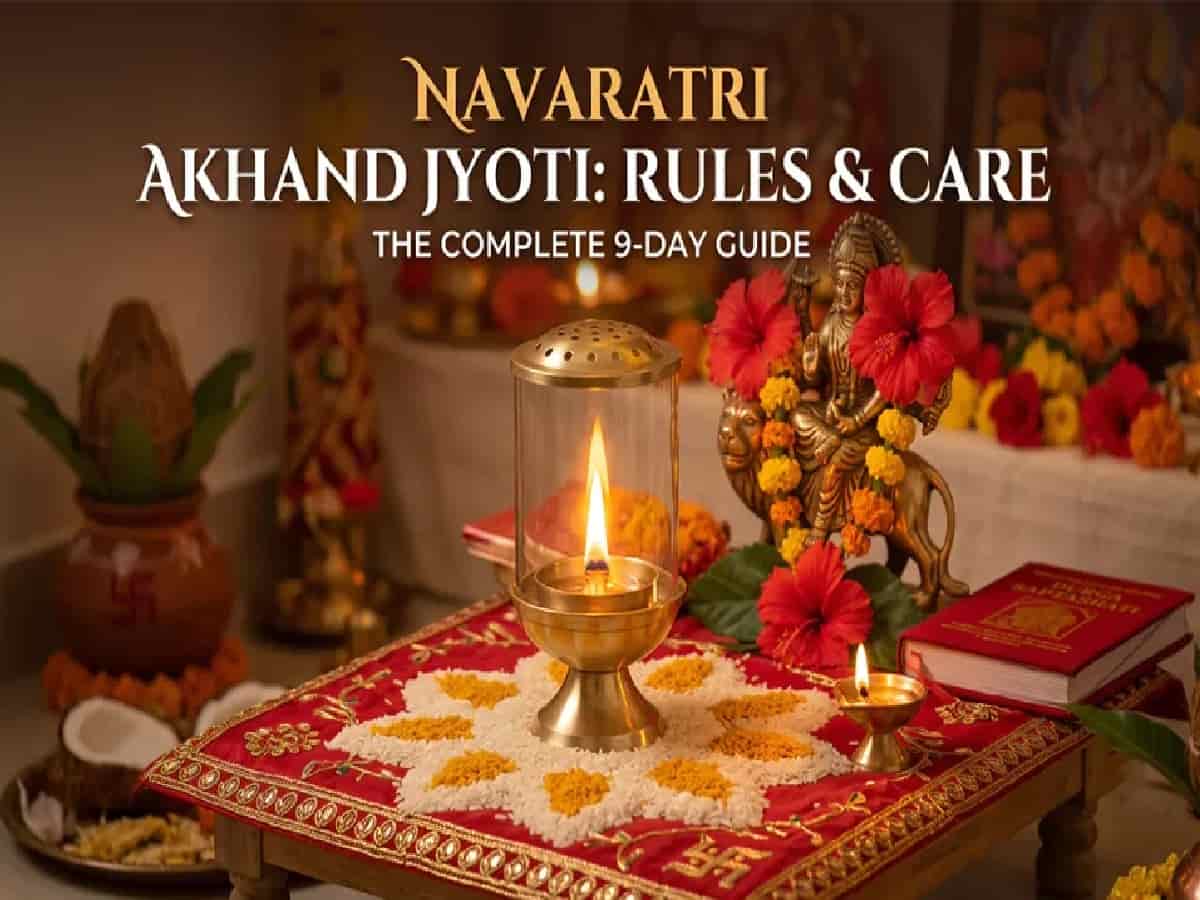
With Sharadiya Navratri set to commence on Sunday, October 11, millions of devotees across the country are gearing up to welcome Maa Durga into their households and community pandals. Among the central rituals of the nine-day festival, none commands greater reverence or visual prominence than the lighting of the Akhand Jyoti—the uninterrupted sacred flame that burns day and night. Derived from Sanskrit, "Akhand" signifies that which is unbroken, unyielding, and eternal. In Hindu spiritual traditions, lighting this flame on the first day of Navratri represents the living presence of Goddess Amba inside the home, creating a powerful spiritual shield that cleanses domestic spaces of negative vibrations and ushers in divine energy, joy, and peace.
Ancient Deepa Mantras: Awakening Health, Wealth, and Wisdom
In Sanatan Dharma worship practices, lighting a ritual lamp is treated not merely as a physical action, but as an invocation of the supreme cosmic consciousness. When consecrating the Akhand Jyoti on Pratipada Tithi, devotees chant the timeless Deepa mantra to invoke divine grace:
“Shubham Karoti Kalyanam Arogyam Dhana Sampadah, Shatru Buddhi Vinashaya Dipa Jyotir Namostute. Deepo Jyoti Param Brahma Deepo Jyotir Janardanah, Deepo Hartu Me Papam Sandhya Deepa Namostute.”
The sacred verses beseech the holy flame to bestow wellness, material prosperity, and longevity, while dispelling ignorance and harmful internal thoughts. By recognizing the lamp’s illumination as an earthly manifestation of Parambrahma (the Supreme Being) and Janardana, the ritual purges domestic sins and illuminates the inner intellect with higher wisdom.
Essential Rules: Desi Ghee vs Sesame Oil and the Sacred Sankalpa
To ensure the Akhand Jyoti fulfills its scriptural purpose, devotees must follow rigorous Vedic protocols right from the initiation ceremony. The sacred flame should always be lit using either pure cow's desi ghee or unadulterated sesame (til) oil, both regarded as spiritually potent conductors of sattvic energy. Before lighting the wick, the head of the household must take a solemn Sankalpa (formal religious vow) before Maa Durga, promising to nourish and guard the holy flame uninterruptedly for the complete span of nine nights. Regular replenishment of ghee or oil must be maintained around the clock to prevent the wick from burning down or running dry.
Critical Safety Protocols: Protecting the Flame and Never Locking the House
Preserving an unbroken flame demands strict physical precautions and constant domestic vigilance. Because tradition dictates that an Akhand Jyoti extinguishing midway is an inauspicious omen, devotees should position the brass lamp away from direct wind, open windows, and ceiling fans, utilizing a specialized cylindrical glass chimney or brass cover with ventilation holes to ensure stability. Most critically, scriptures mandate that a home hosting an Akhand Jyoti must never be left locked or unoccupied under any circumstance throughout the entire nine-day festival. At least one family member must remain present at all times to monitor the flame and tend to the wick, ensuring the household’s bond with the divine presence remains continuous and harmonious.