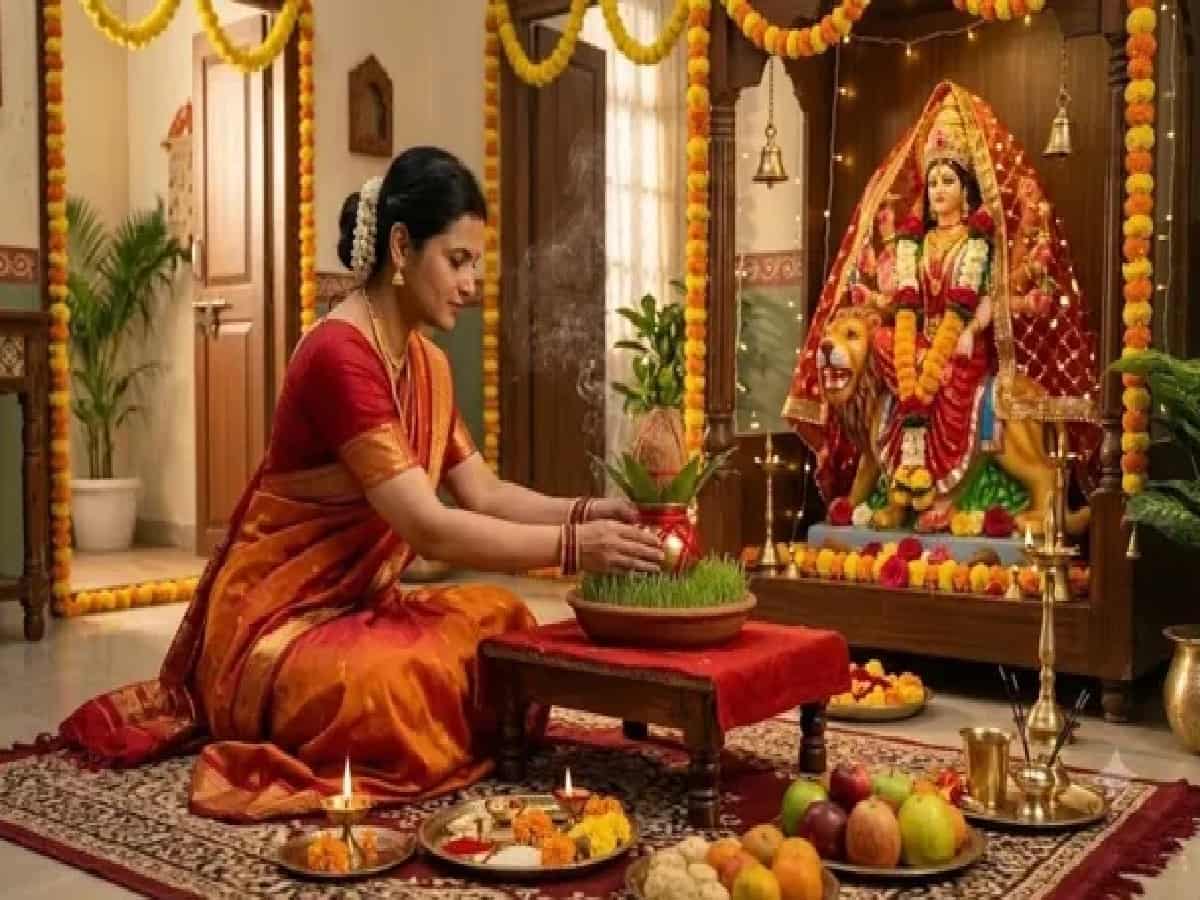
Navratri 2026: 3 Big Mistakes to Avoid After Ghatasthapana
As households gear up for the auspicious nine-day festival of Sharadiya Navratri, performing Ghatasthapana (Kalash Sthapana) serves as the primary Vedic invocation to welcome Goddess Durga into the domestic sanctum. Establishing the consecrated copper or earthen Kalash on the first day invites cosmic feminine energy directly into the premises, transforming the household altar into a living temple. However, scriptural principles outlined in Vedic traditions emphasize that consecrating the Kalash demands rigorous discipline, as committing avoidable spiritual lapses can invalidate the merits of fasting and prayer.
Never Leave the House Locked or the Akhand Jyoti Unattended
The foremost rule following the installation of the Kalash is that the household should never be locked or abandoned empty. Ghatasthapana formally invites the divine presence of the Mother Goddess as an honored guest in your home. Leaving the sanctum unattended or neglected is regarded in religious scriptures as an act of disrespect that invites domestic misfortune. Furthermore, devotees who light an Akhand Jyoti (unbroken sacred flame) alongside the Kalash must ensure round-the-clock surveillance to prevent drafts from extinguishing the lamp. Keeping the altar clean, well-lit, and physically attended throughout all nine days remains essential to sustaining positive vibrational harmony.
Strictly Ban Tamasic Foods, Alcohol, and Pungent Ingredients
Preserving domestic purity requires uncompromising dietary discipline across the entire household, even for family members who are not observing rigorous fasts. Consuming tamasic elements—such as meat, fish, eggs, alcohol, as well as root pungent ingredients like onion and garlic—after the Kalash has been consecrated desecrates the spiritual sanctity of the home. Scriptural texts dictate that a strictly sattvik lifestyle calms sensory restlessness, purifies mental faculties, and aligns the devotee’s mind with spiritual contemplation, ensuring the prayers offered during Navratri yield fruitful spiritual and material outcomes.
Eliminate Domestic Discord, Anger, and Harsh Words
Navratri is fundamentally an inward journey focused on self-restraint, spiritual purification, and divine grace. Creating an atmosphere filled with loud arguments, domestic fights, verbal abuse, or unrestrained anger immediately repels divine blessings. The presence of emotional discord disrupts the serene spiritual frequency established by Vedic mantras and sacred chants. Family members must deliberately foster harmony, compassion, and mutual patience, ensuring the home environment remains elevated so that Goddess Durga’s blessings remain anchored in the household long after the festival concludes.