






Nag Panchami: Sawan Monday Coincidence, Date, Auspicious Puja Timings, and Mythological Significance
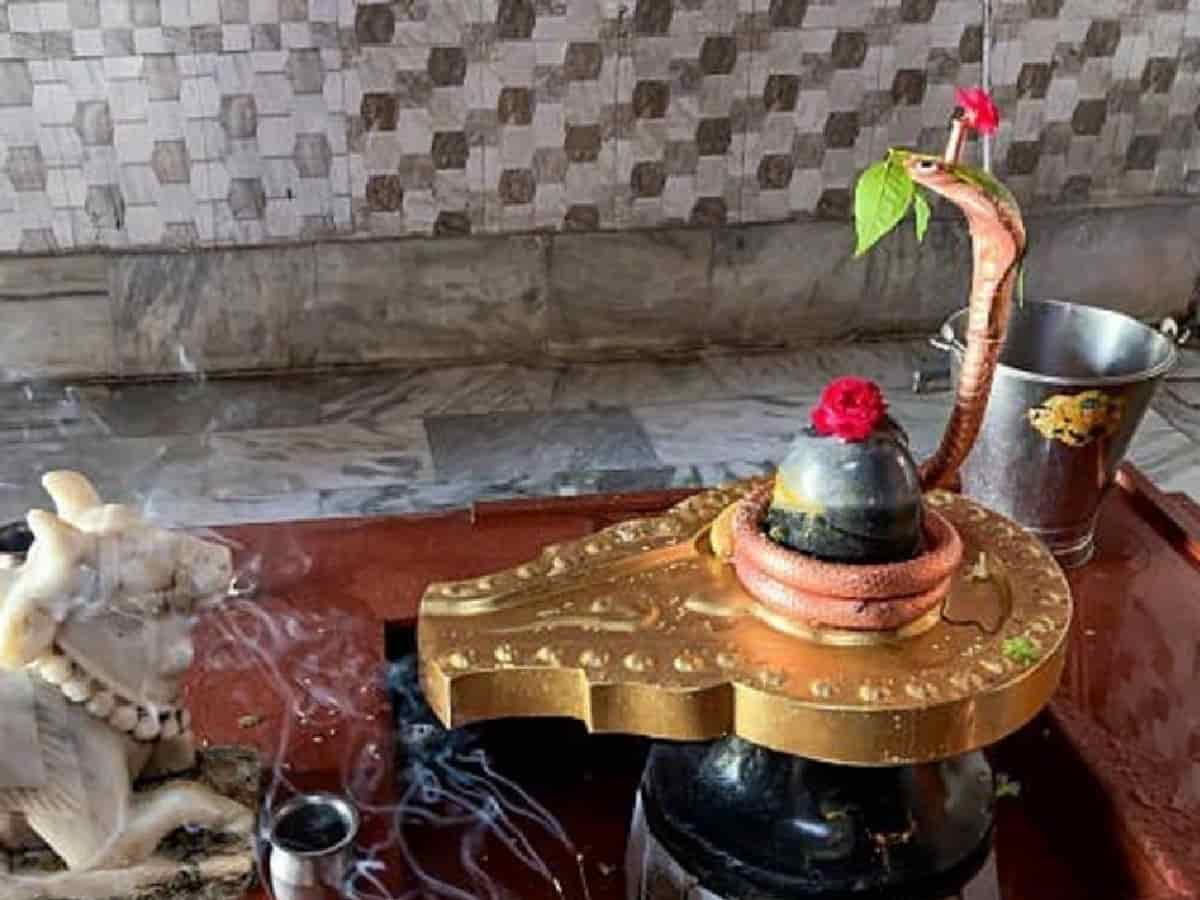
The holy month of Sawan is packed with profound spiritual observances, but few festivals carry the rare and potent astrological alignment of Nag Panchami. Falling on Monday, August 17, 2026, this year's celebration features an extraordinary coincidence: Nag Panchami coincides directly with the third Monday fast of Sawan. According to renowned astrologer Pandit Narendra Upadhyay, this powerful convergence of Sawan Somvar and Nag Panchami creates an exceptionally auspicious yoga, offering devotees a rare window to invoke the combined divine grace of Lord Shiva and the serpent deities for absolute protection and prosperity.
Date, Panchami Tithi, and Auspicious Shubh Muhurat for Worship
Nag Panchami is traditionally celebrated on the Panchami Tithi during the Shukla Paksha of the Sawan month, arriving two days after Hariyali Teej. For 2026, the sacred Panchami Tithi commences at 1:22 PM on August 16 and concludes at 1:30 PM on August 17.
-
Best Time for Puja: The most auspicious window to perform rituals on Nag Panchami morning spans from 6:46 AM to 9:37 AM, giving devotees a total duration of 2 hours and 51 minutes for prayer and offerings.
Rare Yogas Amplifying the Power of Nag Panchami 2026
Adding to its unmatched spiritual weight, Nag Panchami 2026 is graced by a wonderful combination of Shubh and Shukla Yogas, alongside the powerful Ravi Yoga. In Vedic astrology, Ravi, Shubh, and Shukla Yogas are celebrated as highly favorable daily alignments that amplify the positive outcomes of any ritual, prayer, or new beginning. Worshipping the serpent god and Mahadev under the influence of these celestial yogas ensures maximum spiritual merit, mental peace, and long-term success.
The Legend Behind Nag Panchami: Why We Worship Serpent Deities
The origin of Nag Panchami is deeply rooted in the ancient epics of Sanatan Dharma. Following the Mahabharata war, the Pandavas entrusted the kingdom to Parikshit—Abhimanyu's son—before ascending to heaven. With their departure, Kaliyuga set in, and King Parikshit tragically lost his life after being bitten by the serpent Takshak.
Seeking vengeance for his father's death, King Janamejaya later organized a massive Nag Daha Yagna (serpent sacrifice), drawing snakes from across the cosmos into a blazing ritual fire. Witnessing the impending annihilation of the serpent race, the wise sage Aastik Muni intervened on Sawan Shukla Panchami, successfully halting the yagna and saving the remaining snakes. Ever since that historic day, this date has been celebrated as Nag Panchami, dedicated to honoring and protecting serpent deities.