







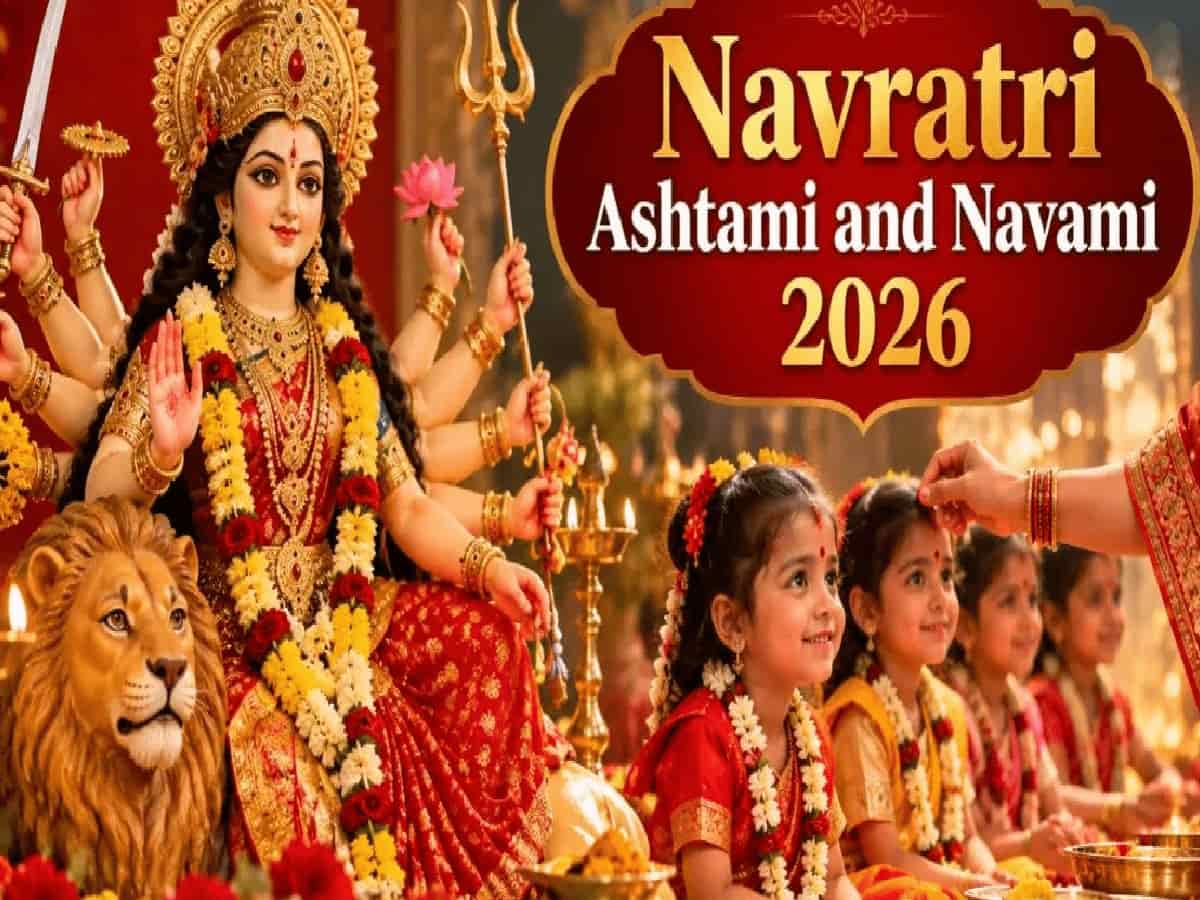
Maha Ashtami and Maha Navami Fall on the Same Day in 2026—Exact Puja and Kanya Pujan Timings
In a notable astronomical and astrological convergence during the ongoing Sharad Navratri 2026 festival, both Maha Ashtami and Maha Navami will be observed on the same date—Monday, October 19, 2026—according to the widely followed North Indian Panchang. The auspicious nine-day festival, spanning from October 11 through Vijayadashami on October 20, enters its most sacred phase as devotees prepare for high-potency rituals, including Sandhi Puja, domestic havans, and the revered Kanya Pujan. Vedic scholars and astrological institutions note that the rapid transition of lunar tithis creates a powerful spiritual junction where the benevolent grace of Maa Mahagauri and the supreme wish-fulfilling power of Maa Siddhidatri merge within a single solar day.
Tithi Breakdown and Sandhi Puja Window: Mark the Crucial Transition on October 19
The rapid shift from Ashtami to Navami tithi requires precise time tracking to perform sacred rituals in their consecrated windows:
-
Maha Ashtami Tithi Schedule: Ashtami tithi commences on Sunday, October 18, at 8:27 AM and officially draws to a close on Monday, October 19, at 10:51 AM.
-
Maha Navami Tithi Commencement: Navami tithi sets in immediately on Monday, October 19, at 10:51 AM and remains active until Tuesday, October 20, at 12:50 PM.
-
The Auspicious Sandhi Puja Muhurat: Marking the critical 48-minute cusp between the final 24 minutes of Ashtami and the first 24 minutes of Navami—when Maa Chamunda appeared to slay demons Chanda and Munda—the Sandhi Puja window in New Delhi extends from 10:27 AM to 11:15 AM on October 19.
-
Vijayadashami Observance: The festival of Dussehra and idol immersions will formally follow on Tuesday, October 20, 2026.
Maa Mahagauri and Maa Siddhidatri: Combined Puja Vidhi for Spiritual Strength
Honoring the eighth and ninth divine manifestations of Goddess Durga on a single day brings immense mental peace, moral purification, and spiritual accomplishments:
-
Morning Mahagauri Aradhana: Devotees begin early morning worship before 10:51 AM to honor Maa Mahagauri, the embodiment of unconditional purity and serenity; worshippers offer fresh white flowers, vermilion, fresh fruits, and light ghee lamps while reciting the Durga Chalisa or sacred Mahagauri Stotram.
-
Afternoon Siddhidatri Worship and Havan: Following the onset of Navami at 10:51 AM, prayers pivot to Maa Siddhidatri, who presides over all eight classical siddhis and cosmic knowledge; families conduct the traditional Navami havan with pure samagri to seal the nine days of penance and invoke family prosperity.
-
Health and Vrat Adherence: Devotees concluding long fasting regimens are advised to stay hydrated, ensure proper nutrition during the transition period, and pace temple visits during the intense morning rituals.
Kanya Pujan and Batuk Bhairav Rituals: How to Organize the Sacred Feast
Because Ashtami and Navami coincide, households can structure the auspicious worship of young girls according to ancestral lineage customs:
-
Honoring the Divine Feminine: Families invite nine young pre-pubescent girls, venerated as living forms of the Navadurgas, alongside a young boy who represents Batuk Bhairav to ensure ritual completion.
-
Cleansing and Archana: Devotees wash the children's feet with clean water or milk, apply auspicious sandalwood paste and kumkum to their foreheads, and tie the sacred kalawa thread around their wrists.
-
Traditional Festive Bhog: The girls are served a time-honored prasad feast featuring freshly cooked black gram (kale chane), semolina halwa, and puffed wheat puris, symbolizing material nourishment and maternal love.
-
Gifts and Elder Blessings: Devotees offer small utility gifts, seasonal fruits, red chunris, and dakshina to the children before touching their feet to receive blessings for lifelong good health and family prosperity.




