







Lord Hanuman's Thunderbolt, Flag, and Sacred Thread in Hanuman Chalisa
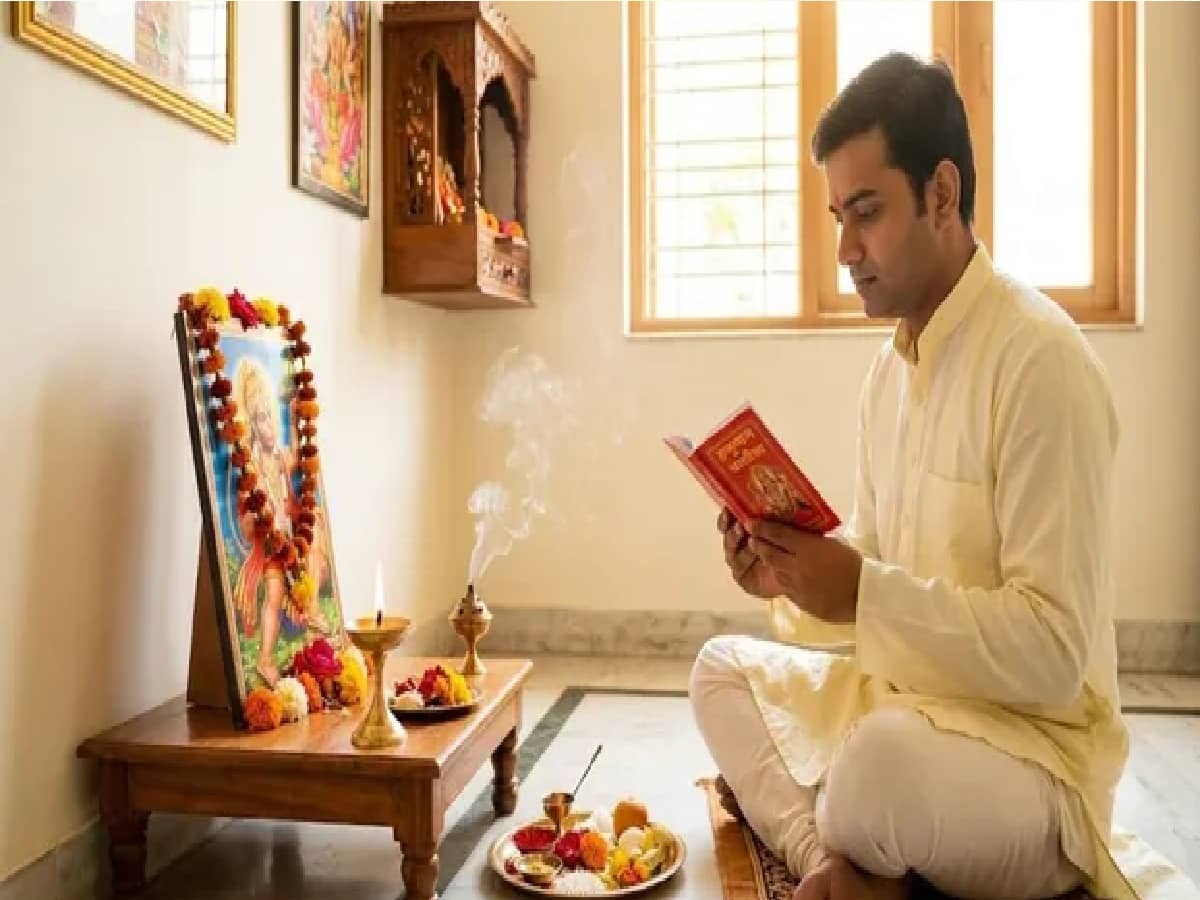
Penned by the revered saint-poet Goswami Tulsidas in the 16th century, the Hanuman Chalisa remains one of the most widely recited devotional hymns across the global Hindu diaspora, celebrated for its spiritual potency and psychological reassurance. Rooted in classical Vedic tradition, daily recitation of the forty verses is believed to dispel irrational anxieties, shield seekers from negative planetary influences, and dissolve the existential dread of mortality while instilling profound mental tranquility. While every couplet of the devotional masterpiece carries distinct metaphysical dimensions, one specific quatrain stands out for illustrating that true greatness is achieved not through sheer physical dominance alone, but through the harmonious integration of unyielding strength, pristine moral purity, and deep spiritual enlightenment: "Haath Bajra Aur Dhwaja Biraaje, Kaandhe Moonj Janeu Saaje."
Decoding 'Haath Bajra Aur Dhwaja Biraaje': The Sacred Fusion of Might and Cosmic Victory
The first line of this quatrain provides an evocative visualization of Lord Hanuman's physical attributes and weapons, establishing him as both an invincible defender of righteous cosmic order (Dharma) and a triumphant herald of the divine. In his mighty hands, the Lord wields the Vajra (thunderbolt), a divine weapon emblematic of diamond-hard resilience, decisive strikes against malevolent forces, and the absolute destruction of existential adversity that threatens devotees. Held in his complementary hand is the Dhwaja (holy banner or victory flag), which signifies the unfurling of truth, victory over adharma, and unshakeable allegiance to Lord Rama’s noble purpose. Together, the thunderbolt and the flag portray Bajrangbali not merely as a formidable warrior capable of delivering crushing blows to protect his devotees, but as an emblem of divine protection whose presence guarantees the inevitable victory of truth over evil.
'Kaandhe Moonj Janeu Saaje': Celebrating Vedic Scholarship, Celibacy, and Intellectual Mastery
Providing a sharp philosophical balance to the imagery of weapons and flags, the second line of the quatrain highlights Lord Hanuman's elevated spiritual credentials by describing the sacred adornment on his shoulder: "Kaandhe Moonj Janeu Saaje." Here, Kaandhe refers to his broad shoulders, while Moonj Janeu denotes the traditional sacred investiture thread (Yagyopaveet) crafted meticulously from sacred wild Munja grass, as prescribed in ancient Vedic rites for austere ascetics. This critical detail reminds spiritual seekers that Bajrangbali is far more than a physical titan; he is an accomplished grammarian, a master of the four Vedas, a lifelong celibate practitioner (Naishtika Brahmachari), and a repository of supreme wisdom. The presence of the Moonj grass thread reaffirms that genuine power must always remain anchored in ethical restraint, self-discipline, and deep scriptural understanding.
Recitation on Tuesdays and Saturdays: Overcoming Fears and Securing Triumph in New Ventures
According to time-honored spiritual traditions, reciting this specific chaupai carries profound spiritual and psychological benefits, particularly when invoked on Tuesdays and Saturdays—days consecrated to Lord Hanuman and Saturn (Shani) propitiation. Scriptural scholars emphasize that meditating on this verse systematically removes chronic fear, awakens suppressed self-confidence, and clears persistent mental doubts before embarking on life-changing milestones. Whether an individual is sitting for competitive examinations, inaugurating a commercial enterprise, or confronting intense adversarial challenges, focusing on Lord Hanuman’s dual embodiment of invincible strength and enlightened wisdom serves as an inexhaustible catalyst for personal courage, good fortune, and enduring success.




