







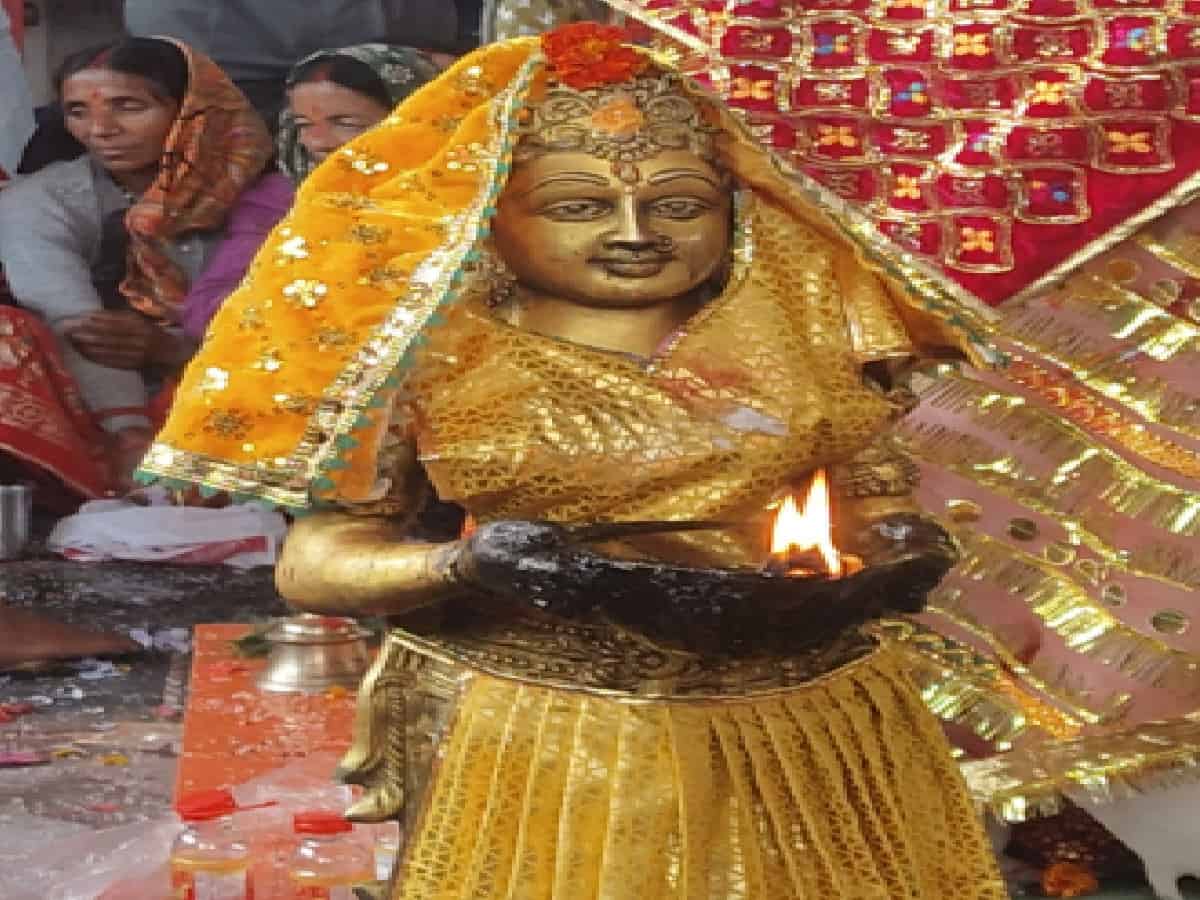
Kotgadi Temple: The Divine Court Where Devotees File Stamp Papers for Justice
Tucked away in the misty alpine terrains of Pithoragarh district in Uttarakhand, known reverently across the world as Devbhoomi or the Land of the Gods, stands an extraordinary sanctuary where cosmic faith meets earthly jurisprudence. The revered Kotgadi Devi Temple, situated in the tranquil Pankhu belt and locally venerated as the temple of Mother Kokila Devi, is celebrated throughout the Kumaon Himalayas as the ultimate court of last resort. According to deeply rooted regional folklore, when individuals find themselves denied justice through conventional earthly legal channels, law enforcement, or administrative systems, they make an arduous pilgrimage to place their disputes before the Mother Goddess. Believed to operate as a supreme metaphysical judiciary headed by the Vaishnavi manifestation of Shakti, devotees pray for relief from unmerited suffering, deceit, and lingering generational disputes, anchored in the sacred conviction that divine verdicts delivered from this altar bring restorative justice reaching across five generations.
Legal Stamp Papers and Postal Petitions: How Written Grievances Awaken Divine Intervention
What distinguishes Kotgadi Devi Temple from virtually every other Himalayan shrine is its ritual process of litigation through faith. While ancient pilgrims historically presented oral pleas and vows directly at the deity's feet, modern petitioners present formal written grievances inscribed on standard sheets of paper, traditional letters, and legally notarized stamp papers detailing disputes over land, broken contracts, or systemic injustices. The belief is so resilient that the temple postbox routinely receives registered letters and courier parcels dispatched by troubled seekers across India who are unable to travel personally to Kumaon. Historically established during the illustrious reign of Uttarakhand's Chand dynasty, the shrine observes pure Satvik Vaishnavite worship traditions, where animal sacrifices are strictly forbidden and devotees exclusively offer sweet rice pudding (kheer) and traditional dry prasad. The sanctum draws massive gatherings of pilgrims during the Ashtami tithis of the Chaitra and Ashwin months, alongside high spiritual footfalls on Rishi Panchami during Bhadrapada and throughout the biannual Navratri festivities.
Sacred Underground Springs and Skanda Purana Lore: Inside the Architectural Complex of Pankhu
Beyond its unique ritual docket, the Kotgadi complex preserves fascinating architectural, geological, and spiritual enigmas that captivate researchers and pilgrims alike. Directly beneath the sanctum sanctorum flows an unceasing, naturally filtered subterranean stream whose holy waters supply local villagers with drinking water and irrigation, long identified in oral tradition and regional folklore as the legendary source of the Kranti River referenced in the ancient Skanda Purana. The inner sanctum preserves the covered sacred yoni symbol of the goddess, shielded from public view to maintain ritual sanctity. Flanking the primary complex are affiliated shrines honoring regional protector deities, including the legendary brothers Surajmal and Churmal who are venerated under the folk tradition of Bagdev, a grand sculpted monolith of the serpent god (Nag Devta), and nearby hilltop sanctuaries dedicated to Gwal and Bhairav Dev. Adding to the site's rich historical ambience are two striking metal statues of female lamp-bearers flanking the courtyard, standing as silent sentinels over an enduring sanctuary where centuries of unaddressed grievances continue to find a compassionate, unyielding ear.




