







Karwa Chauth: Vrindavan Priest Decodes Which Moon Breaks the Nirjala Fast
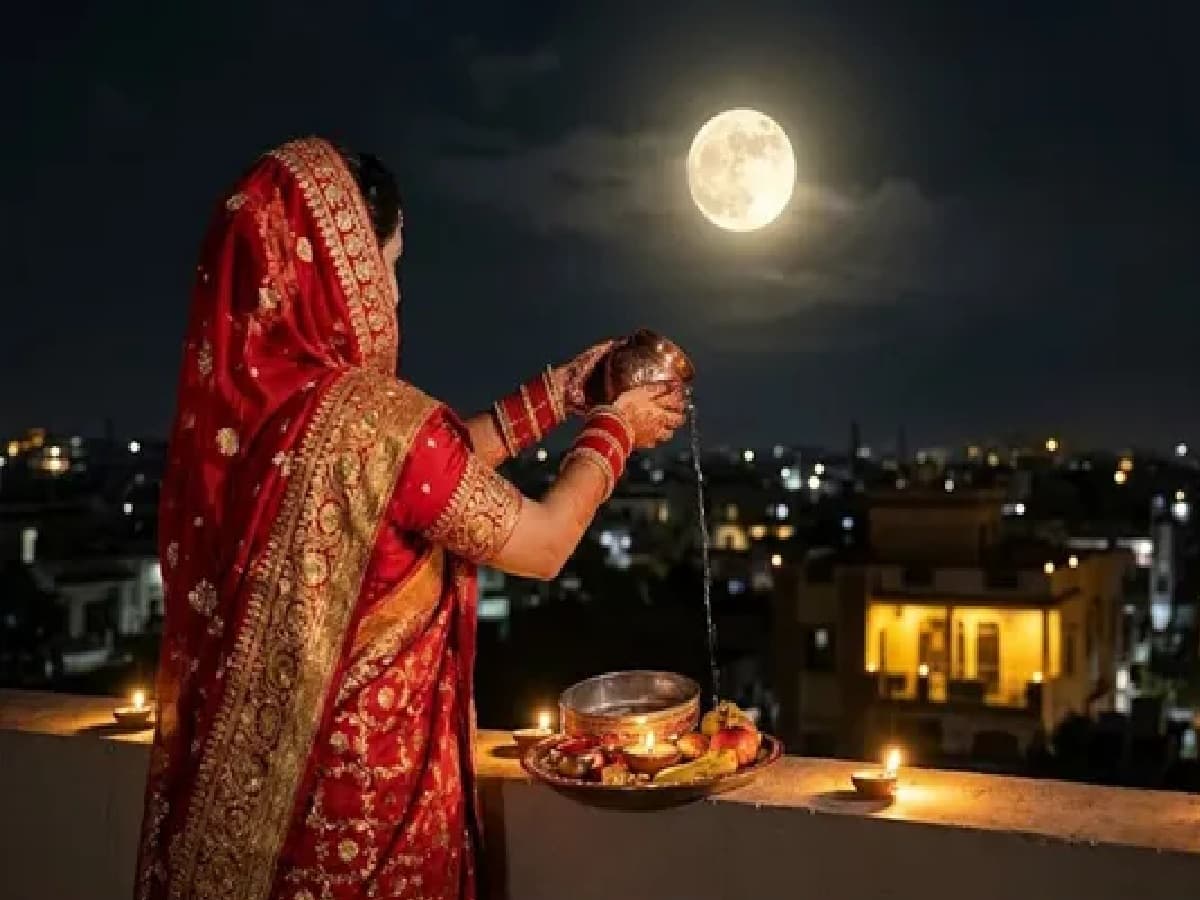
Across millions of households on Thursday, October 29, 2026, the sacred festival of Karwa Chauth has reached its climactic evening hours as married women complete their rigorous day-long waterless fast (nirjala vrat) in prayer for the longevity, health, and unbroken prosperity of their husbands. While the spiritual core of the festival revolves around sighting the moon (Chandra Darshan) and presenting traditional water offerings (Arghya) through a sacred sieve, an enduring theological and cultural debate often causes acute anxiety among fasting women: should prayers be offered exclusively to the freshly emerging "young moon," or is it equally auspicious to break the fast after the moon has ascended high into the night sky as an "old moon"? In various cultural belts, particularly across rural and semi-urban pockets of Uttar Pradesh, long-held folklore insists that only the initial rising moon should be venerated, with superstitious claims suggesting that delaying worship until the moon reaches its zenith could invite ill fortune upon the husband’s lifespan.
Myth vs Scripture: Banke Bihari Temple Priest Dispels Superstition Surrounding the 'Old Moon'
Addressing these widespread doubts and separating folk superstitions from authentic scriptural mandates, revered Vedic scholar Pandit Shrinath Goswami, associated with the historic Banke Bihari Temple in Vrindavan, clarified that the distinction between a "young" and "old" moon is entirely an artifact of regional folklore rather than Vedic literature. Pandit Goswami explained that classical Hindu scriptures and astrological treatises containing the Karwa Chauth Vrat Vidhi make no mention of an inauspicious "old moon" phase during the night of Kartik Krishna Chaturthi. The foundational requirement of the ritual is simply the physical sighting of the lunar deity and the devout presentation of Arghya, regardless of whether the sighting occurs right at the horizon or slightly later due to localized cloud cover, atmospheric haze, or tall urban structures. However, he noted that the traditional preference for the rising moon is rooted in cosmic energetics: the celestial disc carries an exceptionally potent, concentrated vibrational energy at the exact moment of emergence, making immediate worship an ideal opportunity to absorb its fresh, revitalizing rays after a demanding day of self-denial.
Astrological Significance: Moon as the Mind's Karaka and Harbinger of Marital Stability
In Vedic astrology, the moon is venerated as the Karaka (significator) of the human mind, emotions, motherly warmth, and psychic tranquility. Worshipping the moon at the conclusion of the Karwa Chauth fast carries profound psychological and physiological implications. After enduring hours without food and water, gazing upon the serene, cooling white light of the lunar sphere helps soothe the nervous system, instill inner stillness, and dissolve domestic friction. The moon represents cyclical balance and enduring emotional stability; thus, conducting the sacred evening rituals directly counteracts interpersonal conflicts between spouses, replacing misunderstandings with mutual devotion and tenderness. Spiritual chroniclers highlight that inviting the cooling lunar energy into domestic life purifies the household atmosphere, dispels negative planetary vibrations, and reinforces the sacred marital bond with lifelong peace and material prosperity.
Breaking the Fast with Confidence: How Devotees Should Offer Arghya Without Fear
Ultimately, the guidance from Vrindavan provides immense relief to millions of women observing the fast who might experience unexpected delays in spotting the moon. Whether one catches the first glimpse of the golden crescent ascending over the eastern horizon or must wait until the silver orb climbs higher into the night sky, the spiritual merit of the penance remains completely intact. The proper ceremonial practice involves filling a brass or silver vessel with fresh water, consecrated milk, raw rice (akshat), and flowers, offering this oblution to the moon while chanting traditional lunar mantras, and viewing both the moon and one's husband through the decorated sieve. Devotees are encouraged to cast aside unwarranted anxieties regarding "old moon" curses, recognizing that genuine faith, sincere devotion to Karwa Mata and Lord Shiva, and loving intention are the true architects of marital longevity and enduring household bliss.




