







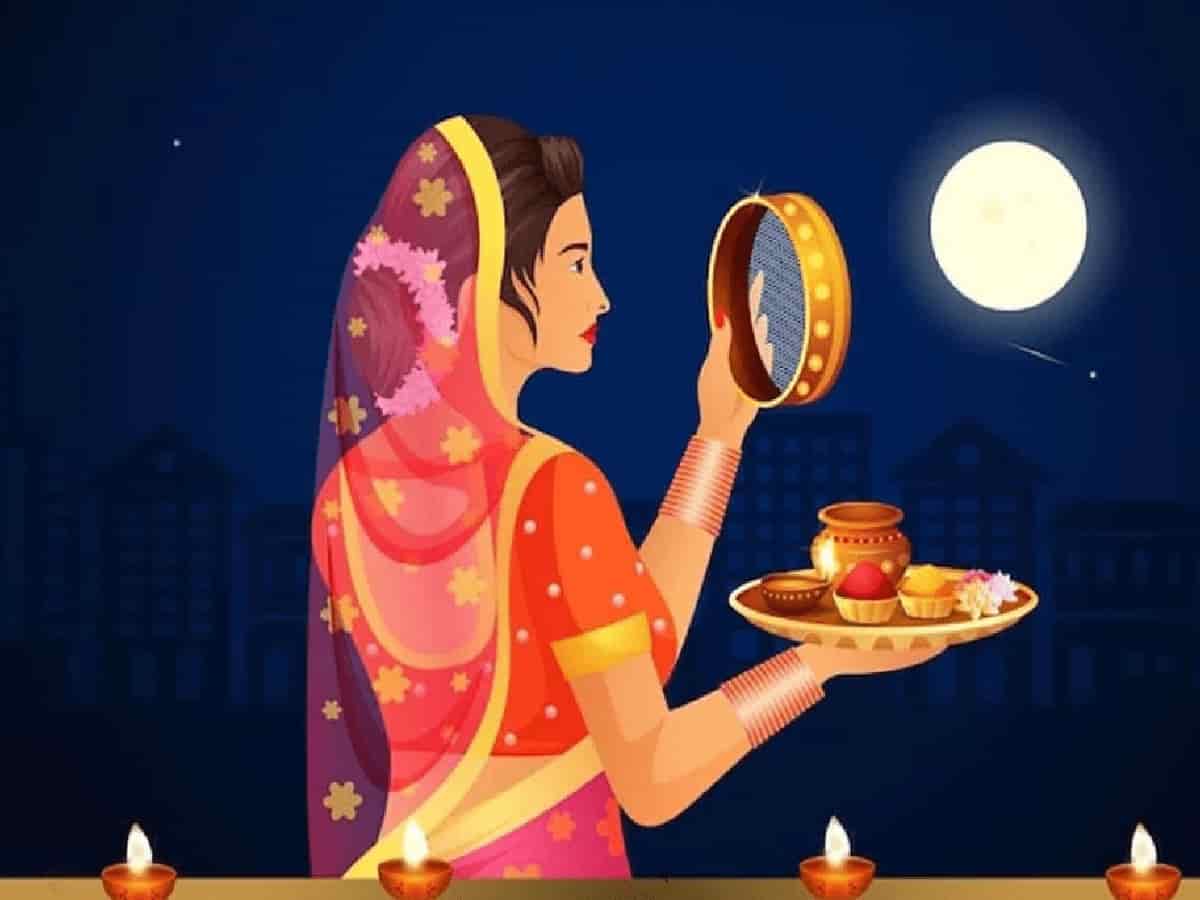
Karwa Chauth Confusion: Astrologers Clarify if First Fast is Inauspicious for Newlyweds
A 17-day planetary transit phase involving the setting of Venus—known in Vedic astrology as Shukra Asta—has triggered intense speculation and anxiety among newly married women across India gearing up for their inaugural Karwa Chauth. Known as the celestial karaka of conjugal bliss, love, and worldly pleasures, the combustion of Venus traditionally pauses major social milestones such as weddings and housewarming ceremonies. However, leading scriptural authorities and Vedic astrologers have stepped forward to clear the air, assuring newlyweds that the celestial combustion of Venus poses zero scriptural hindrance to undertaking the sacred waterless (nirjala) vrat for marital longevity.
The Planetary Puzzle: Why Shukra Asta Stirred Panic Among Newly Married Women
The apprehension among new brides stems from long-standing astrological conventions surrounding combust planets:
-
Role of Venus in Astrology: In Sanatan Jyotish, Shukra Dev governs romance, marital harmony, aesthetic arts, and worldly prosperity; when Venus combusts by drifting too close to the Sun, its planetary potency is considered diminished.
-
Prohibition of New Auspicious Beginnings: Classical texts advise postponing major life events—such as weddings, mundan ceremonies, and griha pravesh—during Shukra Asta to avoid unfavorable planetary influences.
-
The Dilemma for New Brides: Because a newlywed's first Karwa Chauth represents the ceremonial initiation of a lifelong ritual, rumors circulated that beginning the fast under a combust Venus might bring adverse omens or require postponement to the following year.
Scriptural Clarification: Fasting Rules vs Event Celebrations Explained
Addressing these widespread doubts, prominent Ujjain-based Vedic scholar and astrologer Pandit Manish Sharma explicitly dismissed the confusion, drawing clear distinctions in Hindu scriptural laws:
-
Vrats Independent of Planetary Combustion: Astrological restrictions during Shukra Asta apply strictly to shubh sanskars (life sacraments and social celebrations like weddings) and not to nitya or naimittika vrats (devotional penances).
-
Direct Dedication to Deities: Karwa Chauth is an austere spiritual vow addressed directly to Lord Ganesha, Goddess Parvati, Lord Shiva, and Chandradev (the Moon); divine worship is never restricted by the visibility of Venus.
-
Complete Green Light for First-Timers: Pandit Manish Sharma confirmed that newly married women can proceed with their first Karwa Chauth fast with complete faith, devotion, and full Vedic rituals without any fear of inauspicious planetary fallout.
Traditional Karwa Chauth Observance: Solah Shringar and Evening Puja Vidhi
With astrological clarity established, newly married brides can focus on observing the age-old customs that define this cherished festival:
-
The Sacred Nirjala Vrat: Women observe an unbroken dawn-to-moonrise fast without water, praying for their husbands' longevity, sound health, and enduring domestic peace.
-
The Splendor of Solah Shringar: The first Karwa Chauth holds immense emotional resonance, with brides donning bridal attire, intricate henna patterns, and the traditional sixteen adornments (Solah Shringar) symbolizing eternal wedded grace.
-
Evening Worship and Arghya to the Moon: In the evening, women listen to the Karwa Chauth katha, worship Goddess Gaura and Lord Ganesha, and break their fast only after sighting the full moon through a sieve and offering sacred water (arghya) to the lunar deity.




