







Kartik Purnima 2026: Know Dev Diwali, Ganga Snan Timings, and Sacred Vrat Rituals
The full moon day holds an exalted position in the Vedic calendar, but none commands greater reverence across India than the sacred occasion of Kartik Purnima. Representing the 15th lunar day and the climactic culmination of the waxing moon (Shukla Paksha), the full moon of the holy Hindu month of Kartik will be observed on Tuesday, November 24, 2026. Revered under multiple spiritual identities—including Tripuri Purnima, Tripurari Purnima, Dev Diwali, Mahakartiki, and the auspicious Ganga Snan Parva—the tithi is considered one of the most energetically charged days of the year for initiating new professional ventures, executing benevolent deeds, and participating in divine worship. Across major religious corridors from the ghats of Varanasi and Haridwar to southern temple complexes, millions of devotees are preparing for an auspicious day dedicated to worshipping Goddess Shakti in her cosmic feminine glory and Lord Vishnu in his benevolent Satyanarayana avatar.
Sacred Ganga Snan and Dev Diwali: Why the November 24 Tithi Holds Supreme Significance
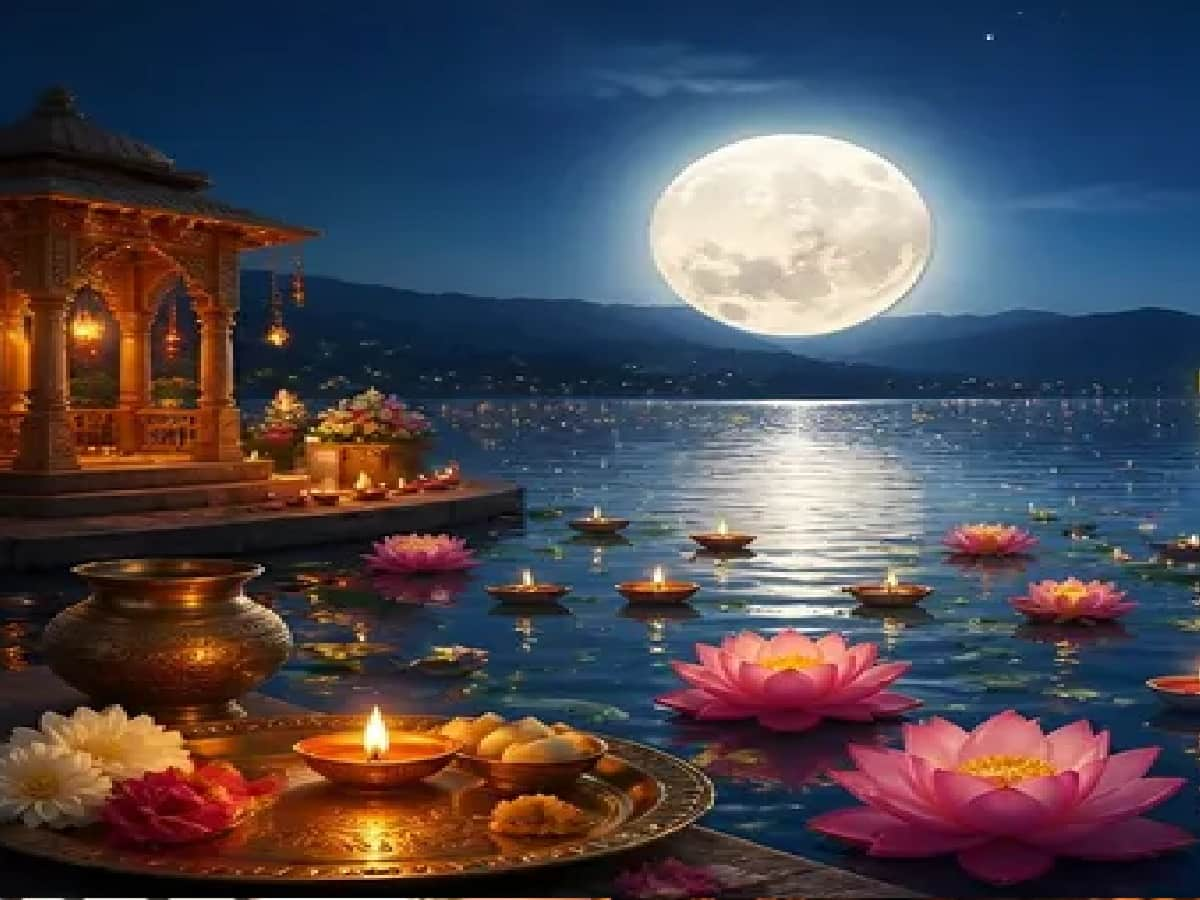
Celebrated with resplendent devotion, Kartik Purnima is synonymous with Dev Diwali—the celestial festival of lights where gods are believed to descend upon earth to celebrate the victory of Lord Shiva over the demon Tripurasura. This mythic triumph gives the day its revered title of Tripurari Purnima. On this day, taking a ritualistic dip in holy rivers—particularly the sacred waters of the Ganges during the auspicious Brahma Muhurta—is believed to cleanse negative karmic burdens, purify past transgressions, and bestow immense spiritual merit upon the devotee. In sacred cultural hubs such as Prayagraj, Rishikesh, and Varanasi, thousands of illuminated earthen oil lamps (diyas) will adorn the riverfront steps, casting a golden reflection over sacred waters to welcome divine energies, while families nationwide illuminate their doorsteps with ghee lamps to welcome good fortune and protect household prosperity.
Step-by-Step Puja Vidhi and Vrat Rules: Satyanarayan Katha, Shakti Aradhana, and Moonrise Darshan
Observing the sacred Purnima Vrat involves meticulous spiritual discipline and devotion designed to harmonize mind, body, and spirit. The rituals begin at dawn with a purifying bath, followed by thorough cleaning of the home and altar space to foster positive vibrations. Devotees initiate their worship by invoking Lord Vishnu and Goddess Lakshmi, reciting the sacred Shri Satyanarayan Katha, and offering seasonal fruits, yellow sweets, and consecrated panchamrit. Those observing the complete fast adhere strictly to a sattvic or fruit-based diet (phalahar), abstaining entirely from grains and heavy foods throughout daylight hours. A vital element of the ritual takes place after dusk, when the illuminated full moon ascends the horizon; devotees present traditional water offerings (Arghya) accompanied by sacred chants to the moon deity, concluding their day-long fast only after viewing the radiant lunar disc and partaking in the consecrated temple prasad with their families.
Spiritual Blessings and Cosmological Power: From Tridevi Invocation to Indra’s Divine Cleansing
The cosmological alignment on Purnima carries profound spiritual and physical benefits, acting as a gateway to rejuvenate mental focus, physical vitality, and emotional peace. Scriptural traditions emphasize that propitiating the divine feminine trinity—the Tridevi comprising Goddess Parvati, Goddess Lakshmi, and Goddess Saraswati—blesses seekers with an abundance of valor, material prosperity, spiritual wisdom, and harmonious domestic joy. The purifying power of the full moon is further illustrated in classical lore through the legend of Lord Indra, who successfully absolved his karmic burdens by conducting dedicated prayers to Lord Shiva on the sacred full moon day. This legend continues to be commemorated during grand Devendra Puja ceremonies at iconic cultural shrines, including the Meenakshi Amman Temple in Madurai, reminding seekers that devotion, fasting, and sincere prayer on Kartik Purnima serve as a timeless conduit to inner purity, righteous purpose, and spiritual liberation.




