







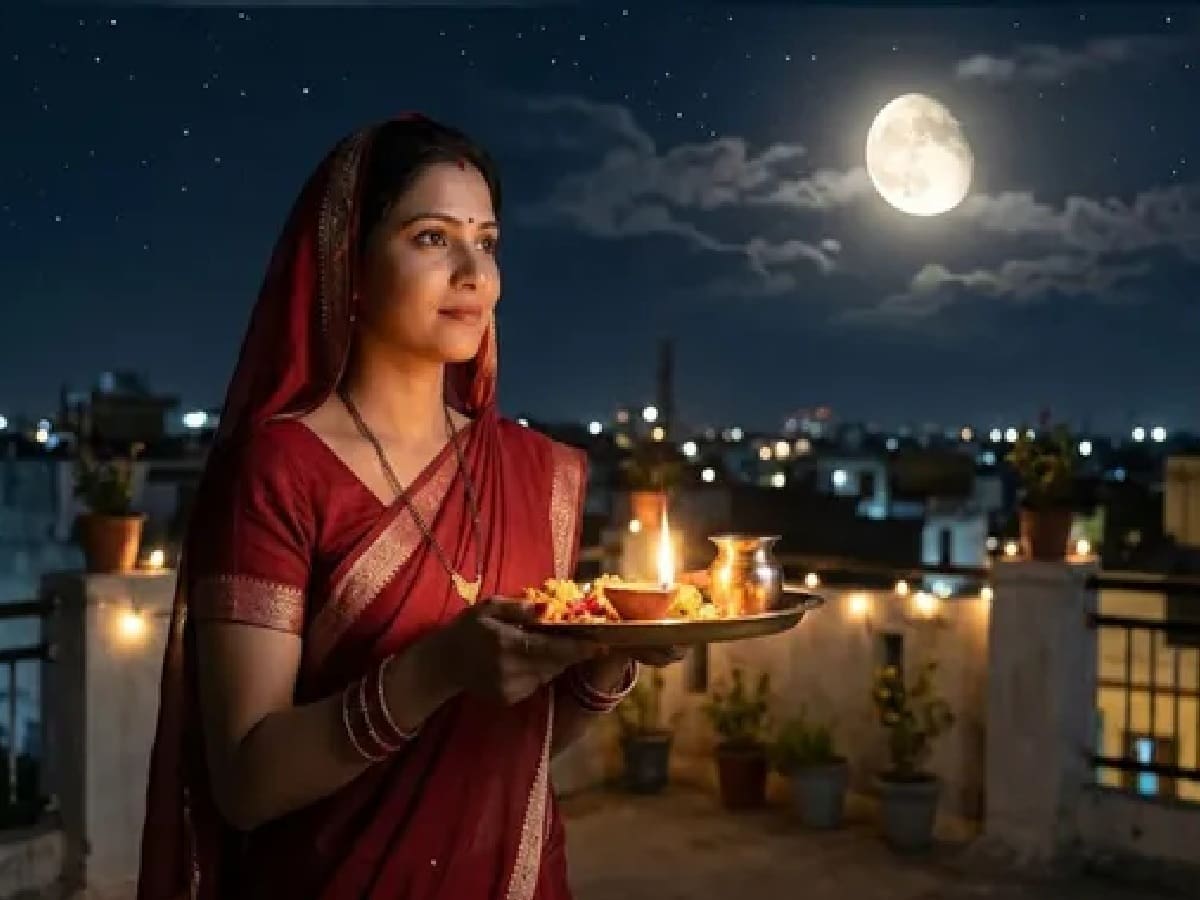
Kartik Deepdaan 2026: Why You Must Worship the Diya Before Lighting It
During the holy month of Kartik, lighting lamps or Deepdaan brings immense spiritual merit, but Vedic scriptures mandate worshipping the diya first; Pandit Manish Sharma outlines the authentic step-by-step Deep Pujan vidhi, the essential grain pedestal rule, sacred mantras, and directional placements from Tulsi to Yama Deepam.
In the sacred Hindu month of Kartik, the performance of Deepdaan, or the ritual offering of lamps, is revered as one of the most spiritually potent observances to eradicate domestic negativity, invite divine abundance, and dispel spiritual and material darkness from one's life. While millions of devotees illuminate their homes throughout this month-long celebration, scriptural traditions emphasize that the act of lighting a sacred flame requires a formal preliminary ritual of worshipping the lamp itself—known as Deep Pujan. According to renowned spiritual guide Pandit Manish Sharma, a diya is not merely an illuminating object but a living manifestation of supreme cosmic light, demanding adherence to strict Vedic guidelines regarding material preparation, cleansing, sanctification, and placement to ensure that the offerings yield their complete metaphysical benefits.
Essential Preparation: Clay and Flour Diyas, Pure Ghee, and the Unbroken Grain Seat
The foundational step in Deepdaan lies in selecting the right materials and establishing a sacred base. Devotees traditionally utilize fresh earthen clay lamps, while lamps hand-fashioned from wheat flour dough (atta) are also considered highly sanctified for specific devotional vows. These lamps should be filled with pure cow's ghee or sesame (til) oil, with mustard oil serving as an acceptable alternative, fitted with clean, rolled cotton wicks. Pandit Manish Sharma underscores that purity of materials and devotion of mind are paramount, cautioning that a diya should never be placed directly onto bare floor or soil. In accordance with ritual protocols, devotees must first prepare an auspicious pedestal (aasan) beneath the lamp using unbroken raw rice grains (akshat), wheat grains, or fresh flower petals to uphold the sanctity of the divine element before lighting commences.
Step-by-Step Deep Pujan Vidhi: The Sacred Mantra and Auspicious Placements
Before striking the flame, the designated worship area must be thoroughly cleaned and the prepared lamp set firmly upon its grain base. The ritual begins with an invocation: apply a ceremonial tilak of roli (vermilion) or cooling sandalwood paste (chandan) to the body of the lamp, followed by an offering of unbroken akshat and fragrant blossoms, placing small quantities of jaggery (gur) or traditional sweets nearby as a devotional offering (bhog). With folded hands, devotees bow before the unlit vessel, praying for the enduring health, prosperity, and peace of the family. Upon igniting the wick, one must solemnly chant the sacred consecration mantra: "Deepjyoti: Parambrahma Deepjyotirjanardanh, Deepo Haratu me sin sandhyadeep namostu te"—an invocation affirming that the flame embodies the Supreme Brahma and Lord Janardana (Vishnu), beseeching the divine light to incinerate all accumulated sins, negative vibrations, and ignorance. The ideal window for Deepdaan occurs during twilight (Sandhya Kaal) at sunset, with primary lamps positioned at the main threshold of the residence, the family altar, beside the holy Tulsi plant, and beneath sacred trees such as Peepal and Shami. When performing Yama Deepdaan to invoke the protection of the god of death against untimely fatalities (Apamrityu), the lamp must be faced strictly toward the southern quadrant, accompanied by the strict injunction never to turn back and look at the flame after offering it. Devotees are equally advised to exercise practical safety by ensuring burning flames remain clear of tapestries, garments, and flammable household objects, safely separated from children and household pets.




