







Kanya Pujan Feast: The Sacred Meaning Behind Halwa, Puri & Black Chana Bhog
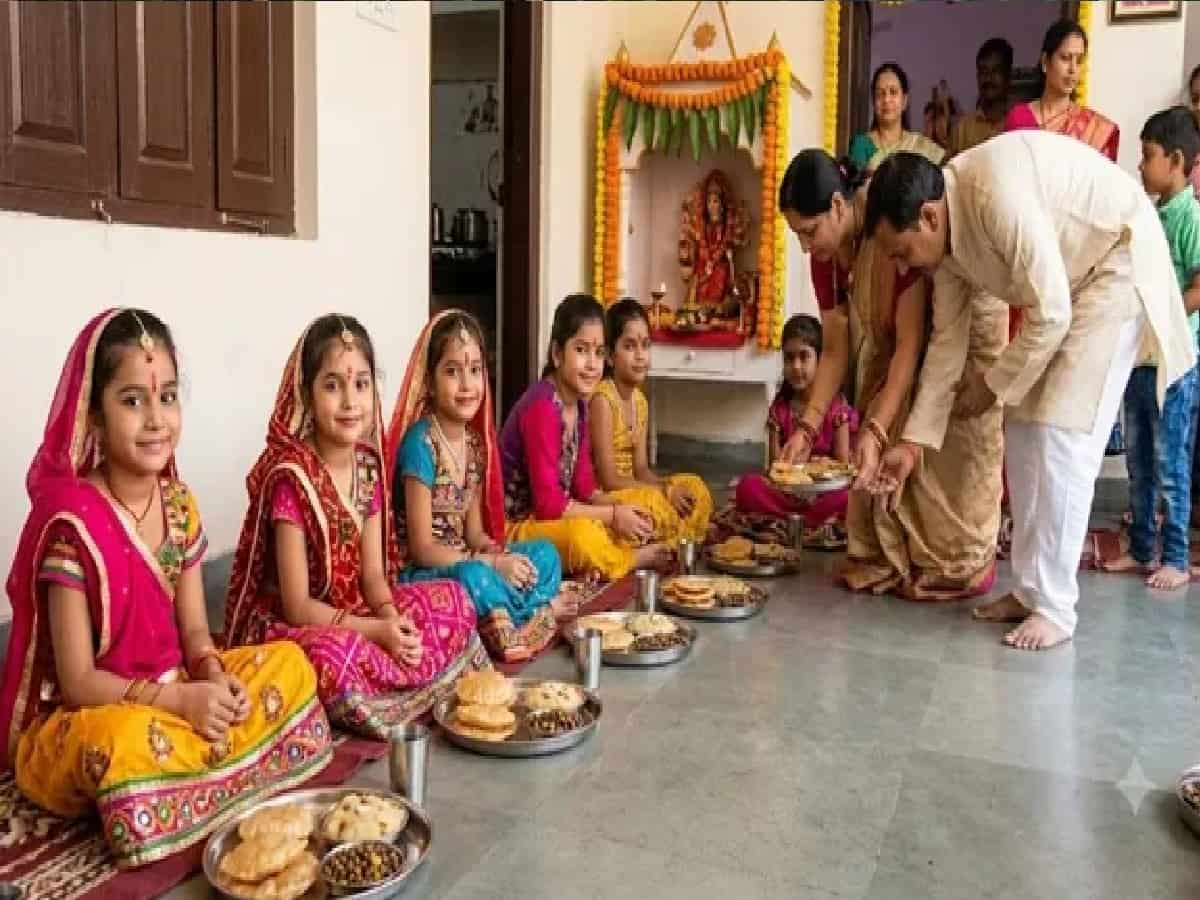
As Sharadiya Navratri reaches its spiritual zenith across North India ahead of Vijayadashami on Tuesday, October 20, 2026, millions of households are welcoming young girls into their sanctums for the sacred ritual of Kanya Pujan (also known as Kanjak). Observed predominantly on Maha Ashtami and Maha Navami, this centuries-old tradition treats prepubescent girls as living embodiments of the nine manifestations of Goddess Durga. While the ceremony includes ritual foot-washing, applying sacred tilak, and tying protective mauli threads, the highlight of the feast remains unvarying across homes: an aromatic, freshly prepared sattvic platter of rich semolina halwa, crisp golden puris, and dry-spiced black chickpeas (kale chane). Beyond regional culinary custom, this sacred combination carries deep metaphysical symbolism, traditional principles of Anna Daan (food donation), and ancient Ayurvedic wisdom rooted in seasonal wellness.
Tracing the Sacred Trinity: Sweetness, Prosperity, and Inner Strength
In Hindu theological traditions, the three components of the Kanya Pujan bhog represent a deliberate balance of cosmic energies offered to honor the divine feminine form. The suji halwa—slow-roasted in pure desi ghee and sweetened with sugar—represents the sweetness, festive ecstasy, and auspicious celebration that Goddess Durga ushers into the life of the devotee. The puffed, whole-wheat puris, fried to a golden hue, signify material contentment, domestic abundance, and the swelling fulfillment of one’s spiritual aspirations. Meanwhile, the black chickpeas (kale chane), prepared dry with cumin, coriander, and minimal spices without onion or garlic, embody foundational physical endurance, resilience, and vital life energy (Prana). Together, this sacred trio constitutes the ultimate sattvic meal, offering high-energy nourishment to the young guests while fulfilling the householder's solemn vow to provide hospitable charity to the living deities seated in their living rooms.
Ayurvedic Wisdom and Seasonal Shift: Why Ancient Traditions Prescribe Warming Foods
Beyond spiritual symbolism, the selection of halwa, puri, and chana aligns seamlessly with traditional Ayurvedic health science during seasonal transitions. Sharadiya Navratri occurs during the critical junction of Ashwin (September-October), marking the retreat of the monsoon and the onset of early winter (Sharad Ritu). During this seasonal change, the human immune system becomes vulnerable, requiring a transitional diet that stabilizes the internal digestive fire (Agni) and fortifies the body against temperature drops. Black chickpeas provide a dense source of iron, dietary fiber, and plant-based protein that delivers sustained energy and stamina, while pure cow ghee used in roasting the halwa and kneading the puris delivers essential fatty acids that lubricate body tissues and generate internal warmth. By merging spiritual reverence with practical nutritional science, the Kanya Pujan tradition ensures that both the young deities and fasting devotees receive a deeply nourishing, grounding meal designed to safeguard vitality as winter approaches.




