







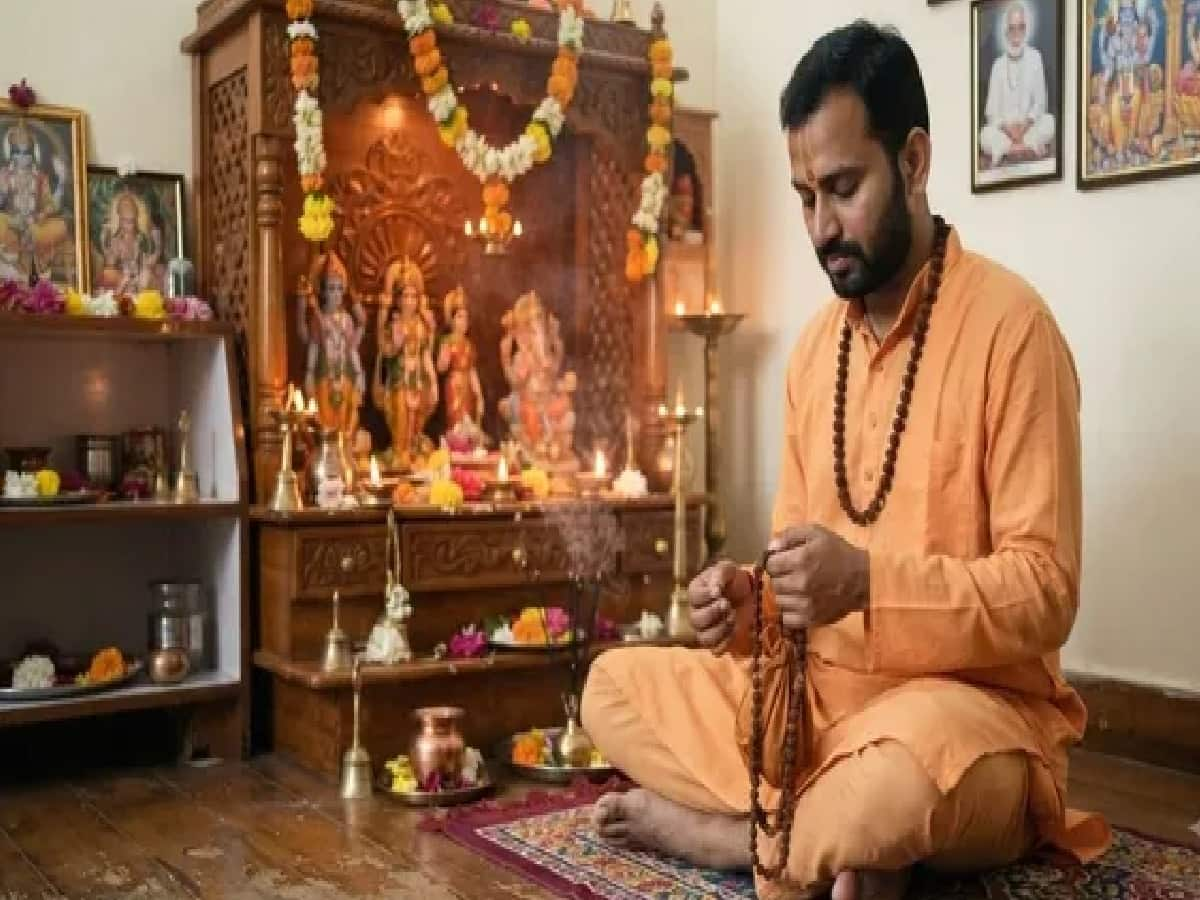
Is Worshipping Without a Seat Inauspicious, Scripture Rules Explained
In Sanatana Dharma, sitting directly on bare earth or a cold floor during daily worship (puja), mantra chanting (japa), or meditation (dhyana) is traditionally discouraged—not merely out of ritual formality, but because sacred texts treat the asana (seating mat) as a vital foundation for spiritual focus and energy preservation. According to classical scriptures including the Brahmanda Purana, Tantrasara, and the Bhagavad Gita, performing puja without a proper asana diminishes the spiritual fruit of worship and can disrupt mental steadiness.
What Scriptures Say About Worshipping Without a Seat
Across Hindu ritual traditions, laying down a dedicated seat before beginning prayers or japa is an age-old practice. Texts such as the Brahmanda Purana and Tantrasara emphasize that sitting directly on bare ground while chanting mantras or meditating prevents the practitioner from retaining the full spiritual benefit of the discipline.
Similarly, in Chapter 6 of the Bhagavad Gita (Dhyana Yoga), Lord Krishna guides a practitioner seeking inner stillness to prepare a firm, clean, and balanced seat—neither too high nor too low—covered with sacred grass, cloth, or hide, so the body remains steady and the mind can turn inward without physical distraction.
Why Laying an Asana Matters for Puja and Meditation
Spiritual teachers and ritual scholars across Lucknow, Varanasi, Ayodhya, Prayagraj, Delhi-NCR, and across India highlight three core reasons behind using a dedicated asana during worship:
-
Preserving spiritual energy and grounding: In yogic and tantric traditions, the earth naturally absorbs and grounds subtle energy. Sitting directly on bare ground during prolonged japa or meditation is believed to dissipate the practitioner's focused energy, whereas a non-conductive asana creates a clean, contained space for spiritual practice.
-
Calming the mind and building focus: A restless body feeds a restless mind. Sitting on a familiar asana in a steady posture helps the nervous system settle, allowing thoughts to quiet down much faster than shifting weight on a hard or uneven floor.
-
Cultivating discipline and reverence: Treating a specific asana as sacred builds daily regularity and respect for the act of worship. Over time, using the same seat in the same puja spot signals the mind that it is time to step away from worldly chores and enter a state of devotion.
Which Asana Is Best for Daily Worship and Mantra Chanting
Different materials serve distinct purposes in traditional worship and meditation depending on household custom and the nature of the practice:
| Asana Material | Traditional Use & Suitability | Key Scriptural / Practical Note |
| Kusha Grass (Kusha Asana) | Mantra chanting (japa), meditation, and sacred rituals | Traditionally regarded as pure and insulating for deep spiritual focus |
| Clean Cotton Cloth (Suti Asana) | Everyday home puja and family prayers | Washable, comfortable, and widely used for daily household worship |
| Woolen Mat (Uni Asana) | Winter months, meditation, and japa | Provides warmth, comfort, and steadiness during cooler weather |
| Silk or Linen Seat | Auspicious rituals and ceremonial puja | Chosen for cleanliness and traditional sanctity during special observances |
Practical Guidelines for Using Your Puja Asana at Home
For devotees observing daily prayers at home in cities like Lucknow, Kanpur, Varanasi, or anywhere else, keeping the ritual simple and hygienic matters most. Choose a clean, dedicated asana reserved solely for worship rather than casual household seating, keep it neatly folded after prayers, and wash cloth or wool mats periodically so they remain fresh and free of dust. When paired with a calm mind, clean surroundings, and sincere devotion, a simple asana helps turn everyday worship into a deeply grounding habit.




