







How King Anaranya's Ancient Curse Sealed Ravana's Fate
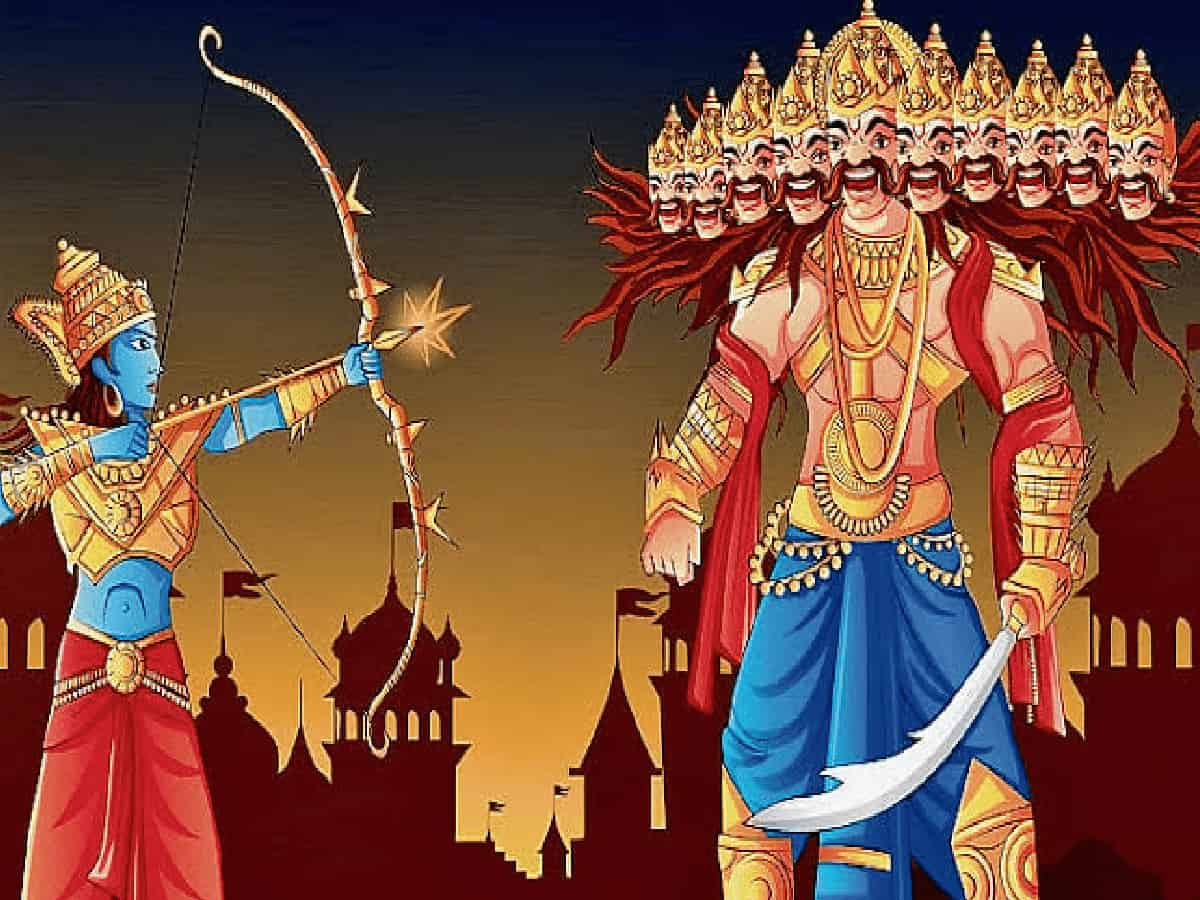
The climactic duel between Lord Rama and the ten-headed demon sovereign Ravana on the battlegrounds of Lanka is revered as the ultimate triumph of righteousness over tyrannical ego. Yet, long before Lord Vishnu descended into the mortal plane as the divine prince of Ayodhya, the cosmic machinery of Ravana’s downfall was already set in motion. According to the sacred verses of the Uttara Kanda in Sage Valmiki’s Ramayana, the demise of Lanka’s king was prophesied generations prior through a dying curse uttered by an ancestor of the Solar dynasty: the valorous King Anaranya of the Ikshvaku lineage.
This historic confrontation occurred during Ravana’s ruthless digvijaya—his global military conquest to subjugate all sovereign realms across the earth. Having performed intense, self-mortifying penances lasting millennia, Ravana secured extraordinary celestial boons from Lord Brahma and Lord Shiva. These boons shielded him from destruction at the hands of gods, demigods, celestial spirits, Gandharvas, and demonic entities. Deluded by this near-invincibility, Ravana marched an imposing army across continents, demanding unconditional subjugation from earthly monarchs. While dozens of rulers surrendered their crowns without drawing a sword, the proud kings of Ayodhya refused to bow before demonic tyranny.
Ravana's Challenge at Ayodhya's Gates: The Defiance of King Anaranya
As Ravana’s victorious procession swept across northern kingdoms, he directed his celestial chariot toward the ancient city of Ayodhya, the prosperous capital of the Suryavansha (Solar Dynasty). At the time, the realm was governed by King Anaranya, a righteous monarch celebrated for his commitment to dharma, unmatched archery skills, and benevolence toward his subjects. Upon arriving outside the fortified ramparts, Ravana issued an ultimatum: surrender the royal sovereignty of the Ikshvaku dynasty or face total slaughter on the battlefield.
For King Anaranya, submitting to an arrogant demon was unthinkable. The honor of the Ikshvaku banner, handed down from legendary forebears, demanded unyielding courage. Gathering a massive military division comprising war elephants, armored cavalry units, speeding chariots, and battle-hardened foot soldiers, Anaranya marched outside the city walls to confront the Lankan forces. The clash that erupted shook the surrounding plains, with both sides trading volleys of enchanted arrows, blazing spears, and heavy maces. Displaying battlefield fury, King Anaranya drew his golden bow, releasing a hail of weapons that scattered the ranks of the rakshasa legions and forced several demon commanders to retreat in panic.
The Clash of Titans: When Eight Hundred Arrows Failed to Pierce a Boon
Seeing his vanguard fall back, Ravana descended from his chariot to engage Anaranya directly. The duel turned into an intense display of martial prowess. Standing tall on the battlefield, King Anaranya focused his energy, releasing over eight hundred divine arrows aimed squarely at Ravana’s ten crowned heads. However, the sheer potency of Lord Brahma’s protective boon rendered the assault completely futile. The arrows glanced off Ravana’s skin like raindrops falling upon a stone mountain, leaving not a single cut, abrasion, or scratch upon the demon king’s physique.
Realizing that conventional earthly weaponry was powerless against celestial protection, Anaranya pressed forward with raw courage, but Ravana launched a savage counter-offensive. Striking the king with a devastating blow of his demonic mace, Ravana smashed Anaranya’s chariot, fatally injuring the monarch. Like a colossal sal tree uprooted and thrown to the forest floor by a thunderbolt, the noble king crashed onto the bloody battlefield, his life force ebbing rapidly under the midday sun.
The Fatal Mockery: How Arrogance Triggered Anaranya's Final Curse
Standing over the fallen monarch, Ravana burst into arrogant laughter, mocking the dying king’s resistance. "What did you gain by challenging my supremacy, Anaranya?" Ravana sneered. "Have you never heard of my strength in the three worlds? No one among gods or mortals can look me in the eye. You have thrown away your life in a fool's errand, proving that your celebrated Ikshvaku pride is nothing but empty dust."
The insulting jeer struck at the soul of the noble king. Marshalling his remaining breath, King Anaranya fixed his eyes upon the ten-headed demon and delivered a curse that altered cosmic history. "Ravana, you boast of your invincibility because of the boons you extracted through penance, not because of true virtue," Anaranya proclaimed with solemn authority. "You have mocked the sacred honor of the Ikshvaku lineage. Hear my dying words: in this very dynasty of Maharaja Ikshvaku, Lord Vishnu—the supreme preserver of the universe—will take human form. He shall be born as a scion of my bloodline, and he will become the instrument of your complete destruction and wipe your demonic empire from the face of the earth."
The Treta Yuga Fulfillment: Lord Rama Avenges the Solar Lineage
Having spoken the prophetic words, King Anaranya closed his eyes and achieved the heavenly realms reserved for righteous warriors who fall in defense of dharma. While Ravana dismissed the curse with trademark arrogance, assuming that a mortal man could never pose a genuine threat to his celestial boons, the cosmic order began its quiet alignment. In his pride, Ravana had asked Brahma for protection from gods, asuras, and beasts, scorning mere humans as too feeble to ever harm him.
Generations later in the Treta Yuga, the divine prophecy reached its fulfillment. In the royal household of King Dasharatha in Ayodhya, Lord Hari incarnated as Lord Rama, the eldest prince of the Ikshvaku dynasty. When Ravana's arrogance culminated in the unlawful abduction of Goddess Sita, Rama mobilized an army of vanaras, crossed the ocean, and besieged the fortress of Lanka. In the final, thunderous duel of the epic war, Rama drew his celestial arrow—the Brahmastra—and pierced Ravana’s chest, ending the tyrant’s reign just as King Anaranya had decreed centuries earlier. The sacred lore of Anaranya serves as a reminder across the epic that while boons may grant temporary power, injustice inevitably plants the seeds of its own destruction.




