







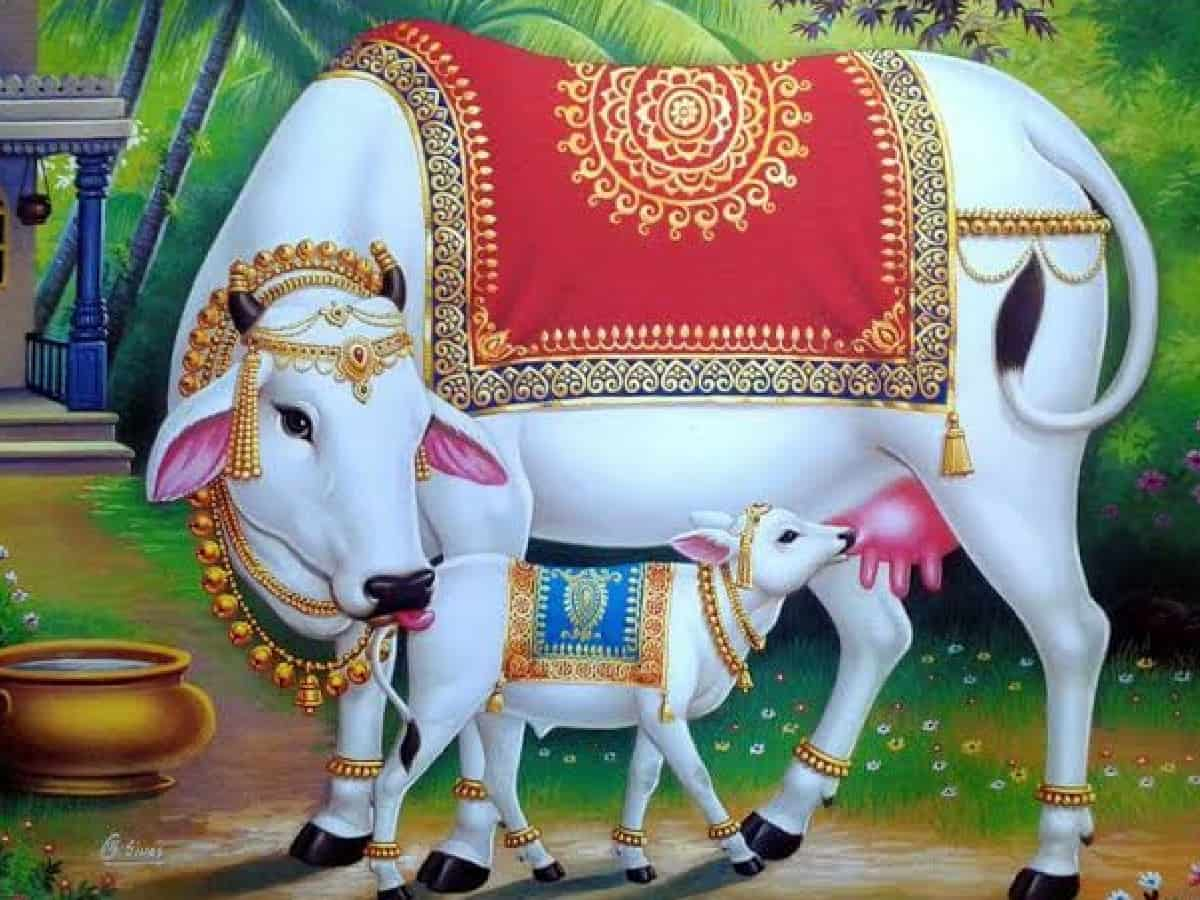
Gopashtami 2026: Feed These 5 Sacred Foods to Cows for Divine Blessings
Observed annually on the eighth lunar day (Ashtami) of the bright fortnight (Shukla Paksha) in the sacred Hindu month of Kartik, Gopashtami stands as one of the most cherished festivals dedicated to reverence for Gau Mata (the sacred cow) and Lord Krishna's divine pastoral heritage. In 2026, Gopashtami falls on Tuesday, November 17, marking the auspicious day when young Shri Krishna and his elder brother Balarama first formally stepped out into the pastures of Vrindavan as full-fledged Gopalas (cowherds). According to Vedic scriptures and ancient puranic traditions, 33 koti (33 supreme categories of) gods and goddesses reside within the sacred form of a cow, meaning that selfless Gau Seva (cow service) on Gopashtami offers devotees a direct pathway to receiving the collective grace of the entire celestial pantheon. Across India, families rise early to bathe and adorn cows with turmeric, kumkum, flower garlands, and colorful cloths, visit local gaushalas (cow shelters), and offer wholesome, auspicious foods believed to harmonize planetary influences (Navagraha) while inviting lasting peace, prosperity, and household harmony. While offering the first freshly baked roti of the morning to a cow is a timeless daily custom in Indian homes, astrological and scriptural traditions highlight five specific sacred offerings—jaggery with roti, fresh green fodder, ripe bananas, turmeric-infused roti, and soaked or whole chickpeas (chana)—that carry extraordinary spiritual and planetary significance on November 17. For devotees, spiritual seekers, and readers across Mathura, Vrindavan, Gokul, Barsana, Ayodhya, Varanasi, Prayagraj, Lucknow, Kanpur, Jaipur, New Delhi, and Mumbai, observing these simple acts of compassion transforms Gopashtami into a deeply meaningful celebration of faith and gratitude.
1. Jaggery and Roti: Strengthen Jupiter and Please All 33 Koti Deities
In Vedic astrology and household tradition, offering warm wheat roti paired with pure jaggery (gud) to a cow is regarded as one of the most auspicious acts of charity. Astrologers note that if Jupiter (Brihaspati) is weak or afflicted in a person's birth chart—leading to delays in career progress, financial instability, or lack of recognition—feeding jaggery and bread to Gau Mata on Gopashtami (November 17) helps strengthen Jupiter's benevolent influence, enhancing social respect, wisdom, and good fortune. Beyond planetary remedies, scriptural lore holds that offering jaggery and roti with devotion on this day pleases all 33 koti deities simultaneously.
2. Fresh Green Fodder: Harmonize Mercury and Invite Prosperity
Visiting a nearby gaushala or pasture on Gopashtami and feeding fresh green fodder (hara chara) to cows carries profound astrological and compassionate merit. Green fodder is closely associated with Mercury (Budh), the planet governing intellect, communication, business acumen, and analytical clarity. Offering fresh greens to cows on November 17 is believed to pacify Mercury-related doshas, sharpen decision-making wisdom, and remove recurring obstacles in trade, education, and domestic finances.
| Sacred Food Offering on Gopashtami | Associated Deity / Planetary Influence | Key Spiritual & Astrological Benefits |
| 1. Jaggery (Gud) & Wheat Roti | 33 Koti Deities & Planet Jupiter (Brihaspati) | Strengthens weak Jupiter in the horoscope, boosts social prestige, and brings household prosperity |
| 2. Fresh Green Fodder (Hara Chara) | Planet Mercury (Budh) | Improves Mercury's placement, sharpens intellect and communication, and clears financial hurdles |
| 3. Ripe Bananas | Lord Vishnu & Goddess Lakshmi | Bestows the infinite grace of Lord Vishnu and attracts abundance, peace, and family harmony |
| 4. Turmeric-Infused Roti (Haldi Roti) | Lord Vishnu & Jupiter (Remedy for Guru Chandal Yoga) | Mitigates career instability caused by Guru Chandal Yoga and removes horoscope afflictions |
| 5. Chickpeas / Gram (Chana — 1.25 kg) | All Nine Planets (Navagraha) | Feeding or donating at least 1.25 kg of chana at a gaushala harmonizes all nine planets and removes life obstacles |
3. Ripe Bananas: Receive the Infinite Grace of Lord Vishnu
In Hindu tradition, feeding ripe bananas to a cow—particularly on Thursdays or sacred Vaishnava festivals like Gopashtami—is considered deeply pleasing to Lord Vishnu and Goddess Lakshmi. Because bananas symbolize purity, fertility, and spiritual abundance, offering them to Gau Mata on November 17 is believed to invite divine protection, dissolve lingering household worries, and shower the devotee's family with the combined blessings of all gods and goddesses.
4. Turmeric-Infused Roti: Overcome Guru Chandal Yoga and Career Hurdles
For individuals experiencing persistent professional setbacks, workplace misunderstandings, or instability linked to Guru Chandal Yoga (a conjunction of Jupiter and Rahu or Ketu in the horoscope), astrologers recommend a simple yet powerful Gopashtami remedy. Knead a pinch of pure turmeric powder (haldi) into whole-wheat dough, prepare a clean roti, and feed it respectfully to a cow on November 17. Turmeric's sacred solar and Jupiterian energy is believed to neutralize planetary afflictions while invoking Lord Vishnu's blessings for steady career growth.
5. Chickpeas (Chana): Harmonize All Nine Planets Through Gau Seva
Rounding out the five sacred offerings is gram or chickpeas (chana). On Gopashtami, devotees are encouraged either to feed soaked or clean chickpeas directly to cows or to donate at least 1.25 kilograms (sava kilo)—or whatever quantity their means comfortably allow—to a registered gaushala. According to traditional astrological wisdom, donating or feeding chana to Gau Mata balances the influence of all nine planets (Navagraha), clears unseen life obstacles, and fills the home with enduring peace and prosperity.




