







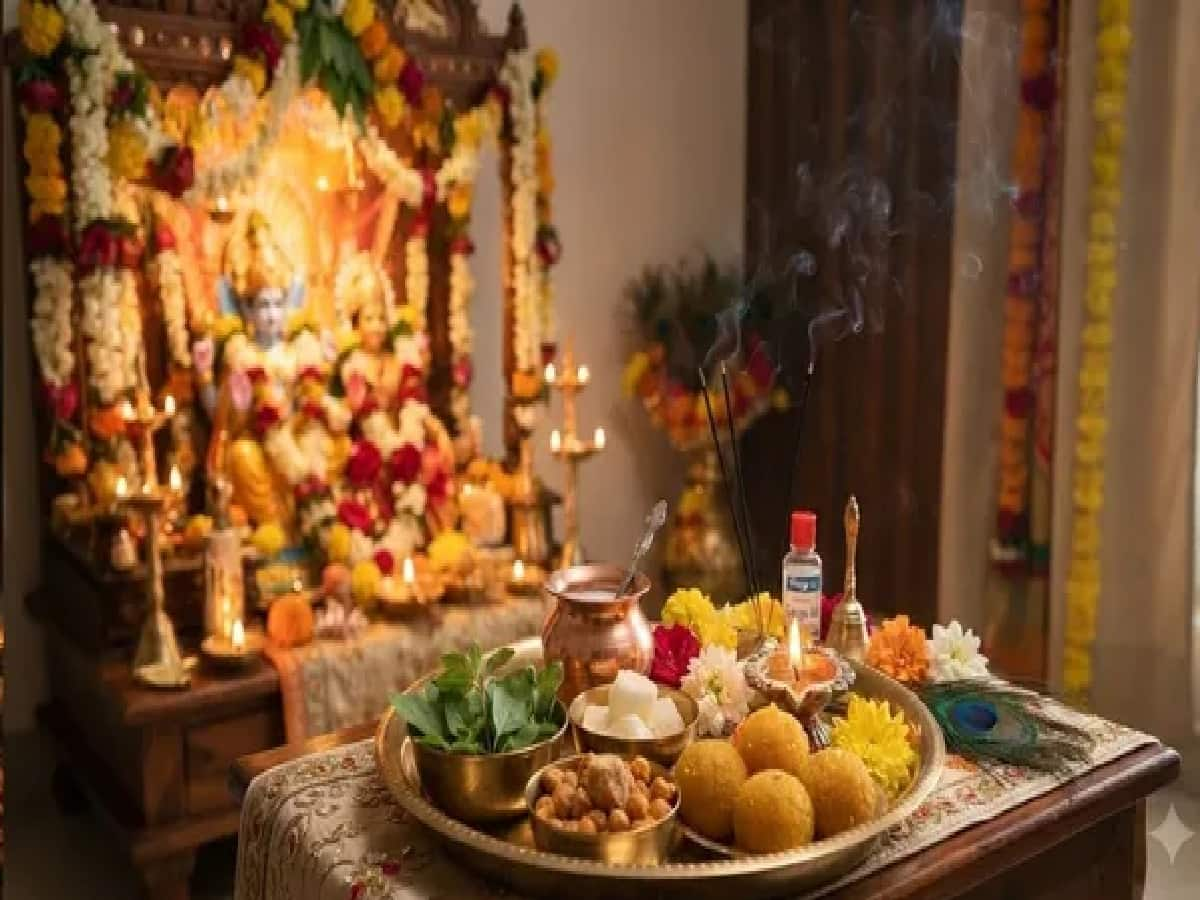
Find These 3 Things in Lord Vishnu's Prasad, Accept Them Immediately
In Sanatana Dharma, Lord Vishnu is revered as the cosmic preserver who sustains balance, harmony, and well-being across the universe. Devotees across India regularly worship Shri Hari—especially on Thursdays (Guruwar) and Ekadashi—seeking peace, stability, and the enduring grace of Goddess Lakshmi. According to traditional Hindu beliefs and ritual customs, offering Lord Vishnu's favorite sacred items (bhog) and reverently accepting (grahan) them afterward as prasad carries deep spiritual significance. Religious scholars note that if you receive three specific sacred offerings in Lord Vishnu's prasad, accepting them immediately with clean hands and gratitude invites lasting prosperity and household harmony.
Why Receiving Prasad From Lord Vishnu's Worship Holds Deep Significance
In temple traditions and household worship across Ayodhya, Mathura-Vrindavan, Varanasi, Lucknow, Tirupati, and throughout India, prasad is never viewed as ordinary food; rather, it is regarded as divine grace sanctified through devotion. Because Goddess Lakshmi is eternally associated with Lord Vishnu as Lakshmi-Narayana, sacred offerings dearest to Shri Hari are believed to carry the combined blessings of preservation and abundance. Accepting these items respectfully without wasting a single morsel is considered a direct way to welcome positive energy into daily family life.
1. Tulsi Leaves (Tulsi Dal): The Most Sacred Offering to Shri Hari
Among all offerings in Vaishnava worship, Tulsi (holy basil) holds an irreplaceable position. According to Puranic and devotional traditions, any bhog placed before Lord Vishnu or his incarnations—such as Lord Rama and Lord Krishna—is considered incomplete without a fresh Tulsi leaf (Tulsi Dal).
-
Connection to Goddess Lakshmi: Hindu scriptures revere Tulsi Devi as deeply beloved to Lord Vishnu and closely linked with Goddess Lakshmi's auspicious energy.
-
Why accept it immediately: Receiving a Tulsi leaf inside Lord Vishnu's prasad is regarded as a rare sign of divine favor. Devotees are advised to accept it immediately with clean hands, place it gently on the crown of the head in reverence before consuming it, and avoid chewing it harshly—a traditional sign of respect believed to invite peace, purity, and sustained prosperity into the home.
2. Panchamrit and Makhan-Mishri: Symbols of Harmony and Sweetness
Traditional worship of Lord Vishnu and Shri Krishna places special emphasis on dairy-based sacred offerings, particularly Panchamrit and Makhan-Mishri (fresh white butter with rock sugar).
Prepared by blending five pure ingredients—cow's milk, curd (yogurt), ghee, honey, and sugar (or jaggery)—Panchamrit is central to abhishekam (sacred bathing rituals) and festive worship. Consuming Panchamrit prasad is traditionally believed to purify thoughts, calm emotional restlessness, and infuse the household with sattvic positivity. Similarly, Makhan-Mishri—celebrated as Bal Gopal's favorite treat—symbolizes innocence and affection; receiving and partaking of it as prasad is believed to dissolve family misunderstandings and deepen mutual warmth among relatives.
3. Jaggery, Gram (Chana), and Yellow Offerings: Attracting Wealth and Progress
Scriptural tradition associates Lord Vishnu with the auspicious color yellow (Peetambara), symbolizing knowledge, Jupiter's benevolence, and material as well as spiritual abundance. Consequently, yellow flowers, yellow garments, saffron kheer, besan laddu (gram flour sweets), jaggery (gur), and split Bengal gram (chana dal) feature prominently in Thursday Vishnu worship.
| Sacred Prasad Item | Scriptural / Cultural Association | Believed Spiritual & Household Benefit |
| Tulsi Leaves (Tulsi Dal) | Inseparable from Lord Vishnu's bhog and linked to Goddess Lakshmi | Invites divine protection, domestic peace, and spiritual purity |
| Panchamrit & Makhan-Mishri | Five-nectar ritual blend & Shri Krishna's favorite offering | Fosters positivity, mental calm, and sweetness in family bonds |
| Jaggery, Chana Dal & Yellow Sweets | Associated with Lord Vishnu's favored yellow hue and Thursday worship | Supports financial growth, removes stalled obstacles, and pleases Goddess Lakshmi |
When devotees receive jaggery, chana dal, or yellow sweets as part of Lord Vishnu's prasad, religious belief holds that accepting them promptly helps clear lingering obstacles in stalled work and strengthens financial stability under Goddess Lakshmi's grace.
Proper Etiquette for Accepting Lord Vishnu's Prasad
Spiritual elders emphasize that the spirit in which prasad is received matters just as much as the offering itself. Devotees should always receive prasad with the right hand (or both hands cupped together), ensure none falls on the floor, and share it willingly with family members. Approaching Shri Hari's prasad with humility, cleanliness, and sincere devotion keeps the blessings of Lord Vishnu and Goddess Lakshmi anchored in the household throughout the year.




