







Evening Lamp in Pitru Paksha: Correct South Direction, Sacred Spots, and Vedic Rules
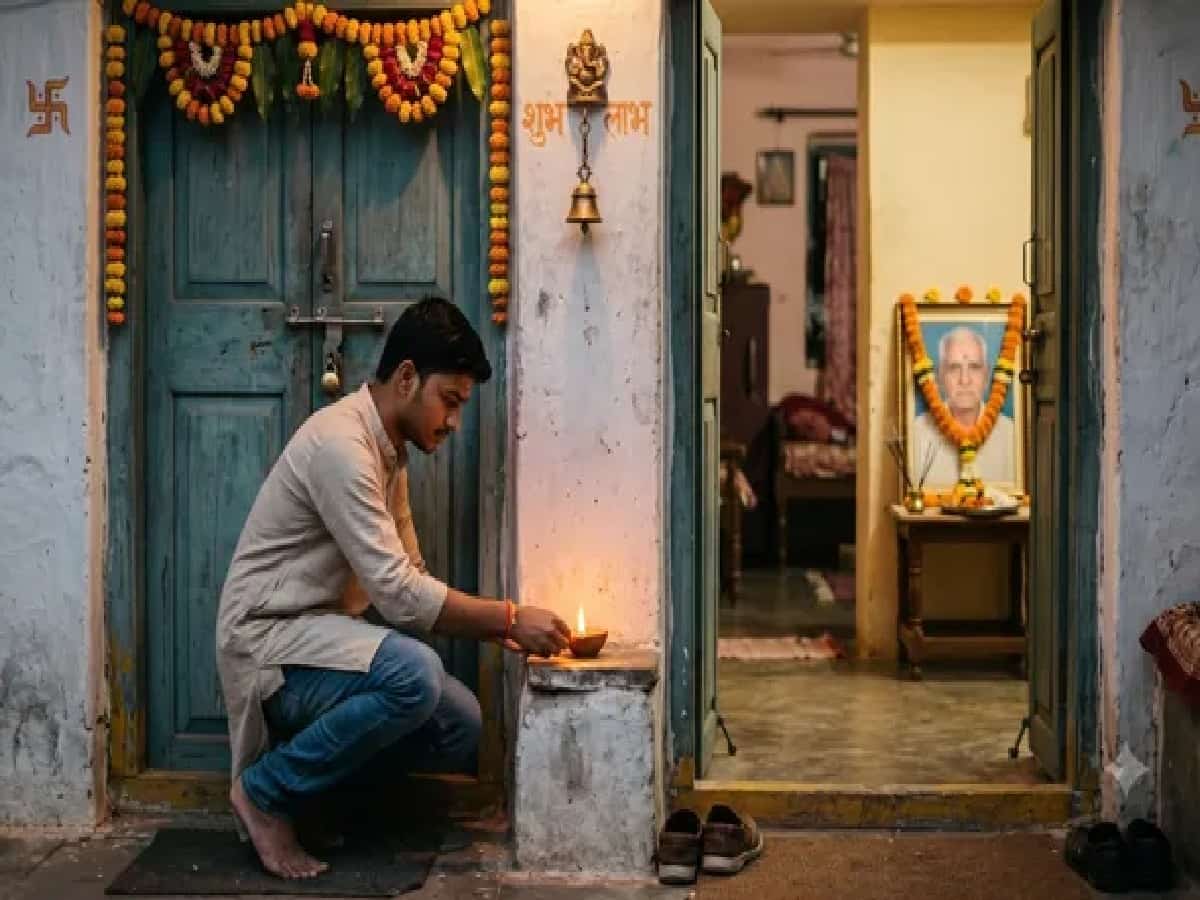
Alongside core Vedic rites like Shraddha, Tarpan, and Pind Daan, lighting an evening earthen lamp (Pitru Deep) during the sixteen-day fortnight of Pitru Paksha is an essential ancestral practice across Hindu households. According to Sanatana Dharma, the departed souls of ancestors journey toward the earthly realm during this period to visit their descendants. The lighting of a lamp at twilight serves both as an expression of profound gratitude and a beacon of light, ensuring that the spirits of the forefathers encounter warmth and illumination rather than darkness along their subtle path. Performing this sacred evening ritual dispels negative domestic energies, removes Pitru Dosh, and invites peace, prosperity, and ancestral protection into the household.
South Direction Alignment and the Science of the Flame
In Hindu cosmology and Vastu Shastra, the southern cardinal direction is governed by Yamaraj, the deity of justice and death, and serves as the designated realm of the pitrus (Pitri Loka). Consequently, unlike everyday deity worship where lamps face east or north, the ancestral lamp must strictly face south. The wick of the lamp must be carefully aligned so that its flame points directly toward the south, signaling to the ancestors that their family remembers and awaits them. Vedic scholars advise using pure mustard oil (sarson ka tel) or black sesame oil (til ka tel) with a raw cotton wick. As the flame is ignited, devotees should maintain a calm, reverent state of mind, mentally chanting the names of their forefathers and praying for the eternal peace and liberation of their souls.
Auspicious Placement: Main Entrance, Sacred Peepal, and Tulsi Platforms
The placement of the Pitru Deep determines how effectively its protective spiritual vibration envelops the residence. The primary location is just outside the home's main entrance on the right side, placed securely on clean ground with the flame directed southward to welcome visiting ancestral energies. Additionally, scripture recommends placing an evening lamp beneath a sacred Peepal tree (Ficus religiosa), revered in the scriptures as an earthly dwelling for the Holy Trinity and ancestral souls. Other recognized sacred spots include the base of the sacred Tulsi plant or adjacent to household water storage vessels (matka or jal sthan), which are traditionally recognized in Vedic customs as sanctified points representing ancestral satisfaction and purity.