







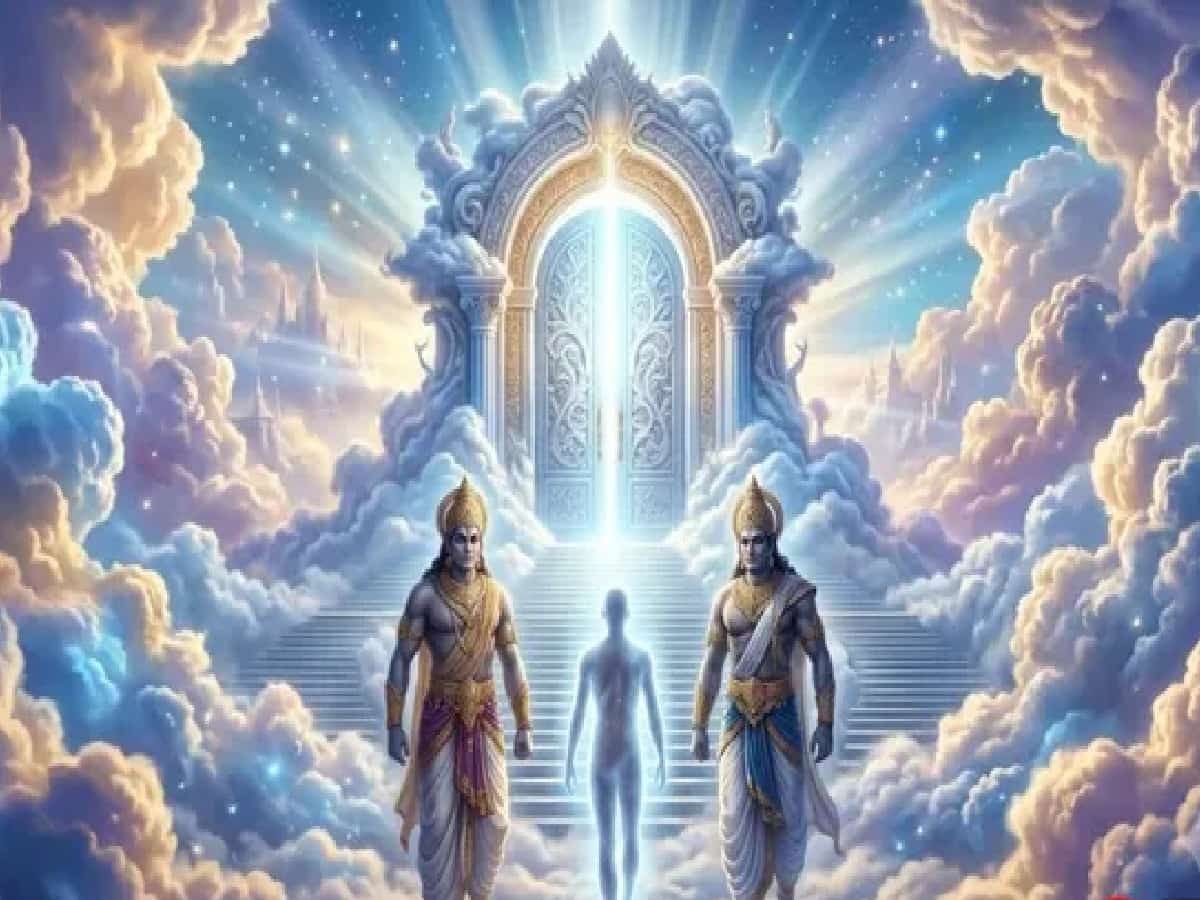
Dying on Naraka Chaturdashi: Do the Gates of Heaven Really Open
Celebrated with reverence across the length and breadth of India, Naraka Chaturdashi—widely observed as Choti Diwali, Roop Chaudas, or Kali Chaudas—arrives on the auspicious Chaturdashi Tithi of Krishna Paksha during the sacred Hindu month of Kartik. While contemporary households illuminate their courtyards with shimmering clay lamps and prepare for the grand arrival of Deepavali, the day carries profound metaphysical significance regarding the mysteries of human mortality, karmic accountability, and the cosmic transit of the soul into the afterlife. Rooted in the heroic triumph of Lord Krishna and Satyabhama vanquishing the demon tyrant Narakasura to liberate 16,100 captive women, this sacred tithi serves as an annual spiritual portal that confronts the ultimate truth of existence: the inevitable passage of the soul. According to ancient folklore, temple traditions, and classical Hindu eschatology, departing from this mortal realm on Naraka Chaturdashi holds extraordinary spiritual consequence, igniting the timeless inquiry of whether the celestial gates of heaven (Swarga Loka) swing open to grant liberation from the tortures of the netherworld.
Garuda Purana and the Afterlife: Does Death on Naraka Chaturdashi Open the Gates of Heaven?
In the philosophical framework of Sanatan Dharma, physical demise is viewed not as an absolute termination, but as a critical transition where the indestructible Atman sheds the physical sheath to embark on an onward journey dictated by accumulated karma. The sacred Garuda Purana, which elaborates on the passage of the soul and the architecture of the afterlife, designates Lord Yamraj as the ultimate judge of cosmic righteousness (Dharmaraja). While spiritual literature maintains that an individual’s personal deeds (Prarabdha Karma) invariably govern their post-mortem destination, classical religious folklore holds that the vibrational atmosphere of Naraka Chaturdashi carries unprecedented divine clemency. Because Yamraj himself is pacified and honored through dedicated invocations on this date, it is widely believed that souls departing the physical plane on Naraka Chaturdashi are shielded from the severe torments of the hellish dimensions (Naraka). Vedic scholars explain that on this day of divine victory over darkness, the celestial gateways to higher astral realms are symbolically unsealed, enabling departed souls to traverse the ethereal pathways toward ancestral peace and divine mercy without experiencing the terrifying trials typically described in post-mortem scriptures.
Yama Deepdaan: Why a Four-Faced Lamp Faces South to Ward Off Untimely Death
Intertwined with the mystery of mortality is the sacred evening ritual of Yama Deepdaan, an ancient protective practice observed to shield families from premature misfortune. During twilight on Naraka Chaturdashi, it is customary for the eldest member of the family to light a large, four-wicked flour or clay lamp (Chau-mukhi Diya) filled with mustard or sesame oil, ceremoniously placing it outside the threshold of the home facing the southern direction. In Vedic cosmology, south is recognized as the quadrant ruled by Yamraj and the domain of ancestors (Pitrus). Offering this dedicated light directly to the deity of justice is performed as a solemn prayer for the longevity, vitality, and safety of every family member, intentionally dispelling the dreaded curse of Akaal Mrityu (untimely, violent, or accidental death). Rather than an omen of fear, the ritual is an act of deep reverence that acknowledges death as a cosmic law of righteousness, invoking Yamraj’s protective grace to ensure that domestic spaces remain insulated from negative paranormal vibrations, generational afflictions, and sudden tragedies.
The Pre-Dawn Abhyanga Snan: Invoking Goddess Lakshmi in Sesame Oil and Ganga in Water
To parallel the soul's inner purification, the scriptures mandate the observance of the sacred Abhyanga Snan before sunrise on Roop Chaudas, linking personal vitality directly with cosmic renewal. Legend narrates that after annihilating Narakasura and erasing demonic atrocities from the earth, Lord Krishna anointed his body with therapeutic oils and bathed in sanctified waters before dawn to cleanse the stains of battle. Honoring this divine event, devotees massage fragrant sesame oil onto their bodies followed by a therapeutic herbal paste (Ubtan) before undertaking an auspicious pre-dawn bath during the auspicious moonlit hour (Arunodaya). Scriptural texts describe this bath as a divine communion, stating that on the morning of Naraka Chaturdashi, Goddess Lakshmi personally resides within sesame oil, while Mother Ganga's sanctifying essence enters the bathing waters. Performing this ritual not only purges physical fatigue and mental negativity, but also eradicates the symbolic seeds of hell (Naraka) within the human psyche, blessing the devotee with glowing vitality, beauty, longevity, and the divine grace required to lead a righteous, prosperous life.




