







Dussehra 2026: 3 Fatal Mistakes That Destroyed Ravana and the Life Lessons Within
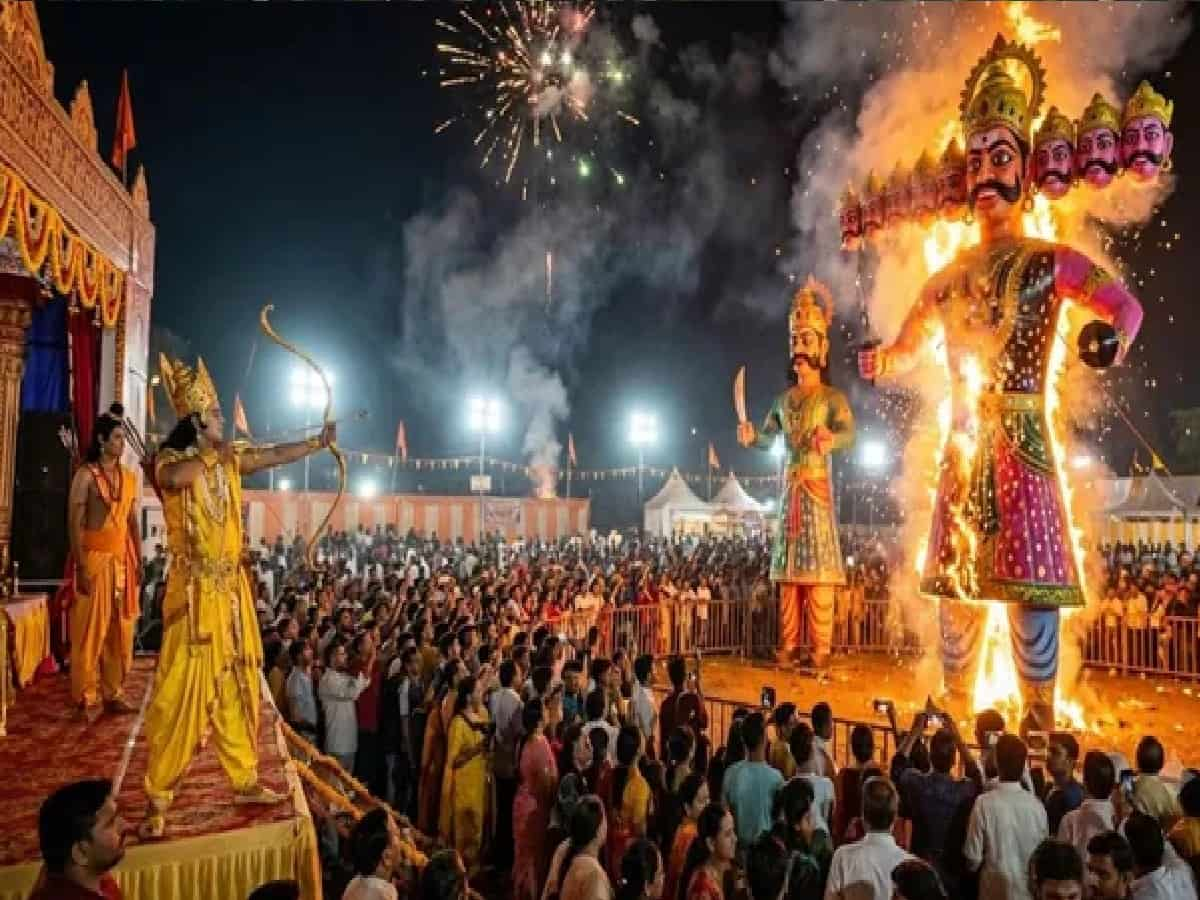
As millions across the country prepare to celebrate Dussehra on Tuesday, October 20, 2026, the sacred observance on the tenth day of the bright fortnight of Ashwin marks the eternal triumph of righteousness over unbridled vice. The ritual burning of towering effigies of Ravana, Kumbhakarna, and Meghnad across community grounds serves as a dramatic reminder of the moment Lord Shri Ram vanquished the demon king of Lanka and liberated Mother Sita from captivity. Yet, beyond the battlefield spectacle of Ramlila and festive fireworks, the epic narrative carries profound philosophical depth for contemporary human conduct. Despite commanding peerless mastery over the four Vedas, possessing matchless physical strength, and reigning over an empire forged of gold, Ravana’s downfall was not engineered by external adversaries alone; it was the inevitable consequence of three fatal character flaws that slowly eroded his moral judgment and brought complete devastation upon his lineage.
Blind Arrogance and the Illusion of Invincibility: How Erudition Turned into Ego
The foundational crack in Ravana’s formidable persona was unchecked intellectual and spiritual pride. A profound scholar, accomplished veena maestro, and an ardent devotee of Lord Shiva, Ravana possessed extraordinary understanding of ancient shastras, but his erudition bred fatal hubris rather than humility. Having secured celestial boons that protected him from gods, celestial beings, and beasts, he grew convinced that no power across the three realms could challenge his sovereignty. This overwhelming narcissism blinded him to the divine reality of Lord Ram, whom he dismissed as an ordinary mortal wandering in forest exile. His tragic trajectory serves as a timeless life lesson that knowledge, material wealth, and worldly authority become self-destructive when detached from humility, illustrating that arrogance invariably paves the path toward absolute ruin.
The Transgression Against Sita: The Fatal Moral Cost of Dishonoring Women
The decisive ethical transgression that sealed Ravana's doom was his deceitful abduction of Mother Sita from Panchavati and her subsequent imprisonment in Ashoka Vatika. Driven by uncontrolled lust, bruised pride, and a brazen disregard for dharmic boundaries, Ravana violated the foundational code of human dignity. In Sanatana philosophy, disrespecting or exploiting a woman's modesty invites inevitable karmic reckoning. By crossing this irreversible boundary, Ravana single-handedly dismantled the moral legitimacy of his kingdom, alienating noble allies and inviting cosmic justice upon his doorstep. His actions emphasize an enduring societal lesson: any empire, individual, or institution that treats women with contempt or acts under the intoxicating influence of greed and desire inevitably destroys its own honor, peace, and survival.
Destructive Stubbornness: Sacrificing an Entire Empire for Personal Ego
Ravana's refusal to heed wise counsel transformed personal folly into national catastrophe. Even as his brother Vibhishana, his grandfather Malyavan, and his righteous wife Mandodari repeatedly warned him of imminent disaster and urged him to return Sita with royal honors, Ravana remained blinded by obstinacy. His autocratic stubbornness prioritized fragile personal prestige over the welfare of his subjects, forcing an avoidable, cataclysmic war that decimated his valiant sons, his heroic brother Kumbhakarna, and countless innocent soldiers who died defending their king's delusions. Had he demonstrated the moral courage to relinquish his obstinacy, the slaughter on the battlefield of Lanka could have been prevented. The tragic end of golden Lanka demonstrates that when an individual prioritizes personal selfishness and obstinate pride above collective well-being, the consequences inevitably drag down families, communities, and future generations.




