







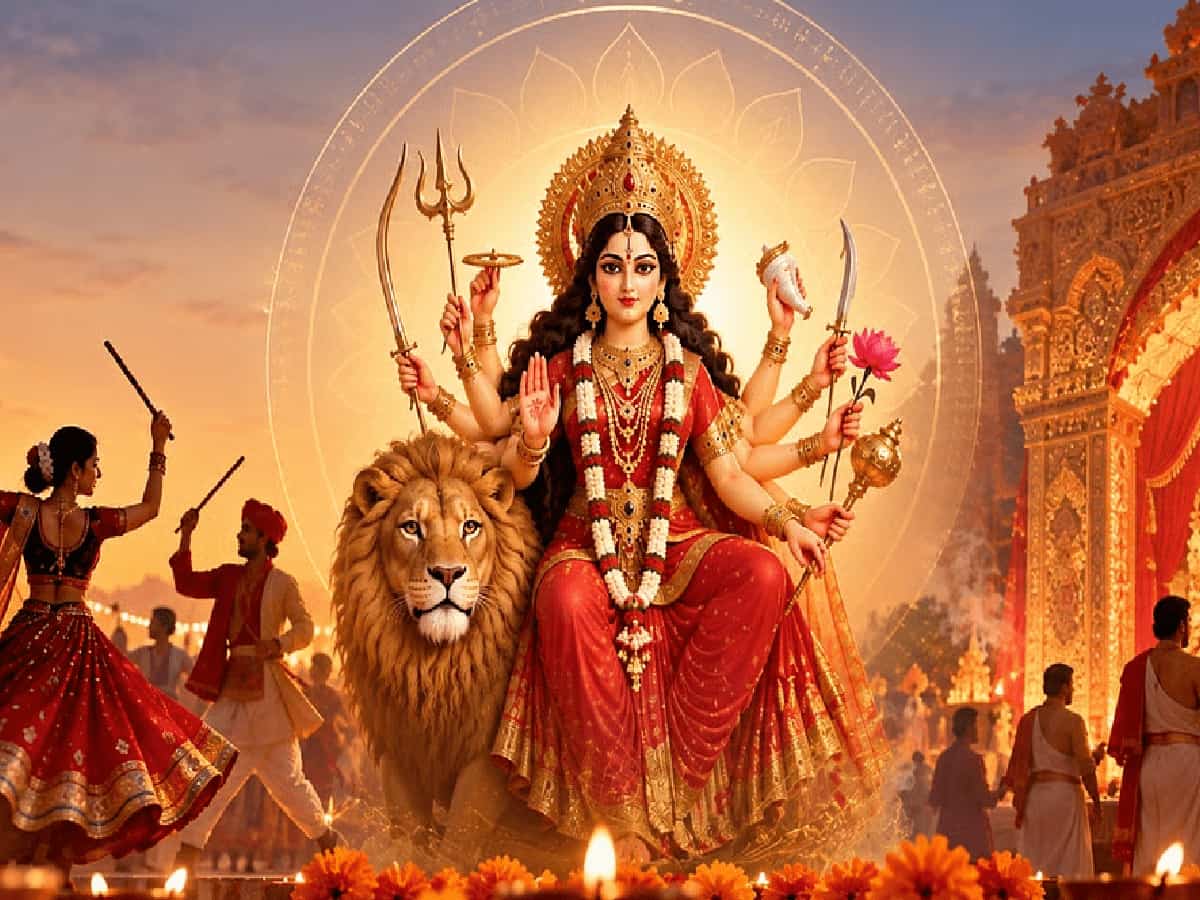
Durga Puja vs Navratri 2026: 5-Day Schedule, and Untold Traditions You Need to Know
While the holy month of Ashwin unites millions across India in worship of the Supreme Mother, popular culture often blurs the lines between two monumental festive traditions celebrated during the same lunar cycle: Sharadiya Navratri and Durga Puja. Though both honor Goddess Durga's boundless grace, their theological origins, ritualistic observances, and cultural expressions diverge significantly across geographic landscapes. While North, Central, and Western India observe the rigorous nine-day penance of Navratri, Eastern India gears up for the magnificent five-day socio-cultural spectacle of Durgotsav, officially commencing on Friday, October 16, and running through Wednesday, October 21, 2026.
The Distinct Calendar: 9-Day Vedic Penance vs 5-Day Festive Homecoming
The timeline and ceremonial structure present striking contrasts between the two grand autumnal festivals:
-
Sharadiya Navratri Schedule: Spanning nine continuous nights starting from Pratipada of Ashwin Shukla Paksha to Navami, Navratri focuses on unbroken fasting (vrat), daily seed germination during Ghatasthapana, and dedicated worship of the Navadurga forms, culminating in sacred Kanya Pujan on Ashtami and Navami.
-
Durga Puja Schedule (October 16 to 21, 2026): Celebrated primarily over five intense days starting from Bilva Nimantran and Bodhan on Shashthi Tithi, the public festival continues through Maha Saptami, Maha Ashtami, and Maha Navami before reaching its emotional finale with Vijayadashami immersion on October 21.
-
Arrival from Kailash: Unlike the purely ascetic penance of Navratri, Durga Puja celebrates the mythological return of the Mother Goddess from Mount Kailash to her maternal home on Earth, accompanied by her divine children—Goddess Lakshmi, Goddess Saraswati, Lord Ganesha, and Lord Kartikeya.
Spiritual Focus: Invoking the Nine Avatars vs Celebrating the Triumph Over Mahishasura
The two festivals emphasize differing theological narratives drawn from sacred scriptures:
-
Navadurga Worship in Navratri: Navratri sadhana systematically venerates the nine distinct evolutionary aspects of the Divine Mother—beginning with Shailputri, Brahmacharini, and Chandraghanta, moving through to Mahagauri and Siddhidatri—aimed at spiritual discipline and personal purification.
-
Mahishasuramardini Narrative in Durga Puja: Durga Puja directly commemorates the fierce, multi-armed warrior manifestation of Maa Durga slaying the shape-shifting demon king Mahishasura, symbolizing the total annihilation of tyranny, injustice, and dark cosmic forces through collective celestial energy.
-
Sacred Chandi Path: The recitation of Sri Sri Chandi begins on the dawn of Mahalaya, signaling the spiritual awakening and earthward arrival of the Goddess long before public pandal curtains are drawn.
Regional Flavors and Unique Rituals: Dandiya Nights vs Dhunuchi Dance and Sindoor Khela
Cultural expressions reflect the vibrant diversity of India’s geographical traditions:
-
Northern and Western Celebrations: Navratri across Gujarat, Maharashtra, and the Hindi heartland is characterized by community Garba and Dandiya Raas dances, austere fruit diets, akhand jyoti vigils, and local Ramlila theatrical reenactments depicting Lord Rama's victory over Ravana.
-
Eastern Festivities and Pandal Culture: In West Bengal, Assam, Tripura, and Odisha, Durga Puja transforms entire cities into open-air art galleries, highlighted by the rhythmic cadence of the Dhak drums, fiery Dhunuchi dances, and community feasting (Bhog).
-
The Emotional Farewell of Sindoor Khela: On the final day of Vijayadashami, married women engage in the traditional ritual of Sindoor Khela, applying sacred vermilion to the Goddess's forehead before smearing it playfully on each other, wishing for lasting marital bliss before the clay idols are reverently immersed during Bisarjan.




