Decoding The Mystery Of The Soul After Death Through Lord Krishna’s Divine Wisdom In The Bhagavad Gita
The battlefield of Kurukshetra serves as more than just a historical backdrop for the Mahabharata; it is the stage where the ultimate questions of human existence were answered. As Arjuna stood paralyzed by grief and confusion, fearful of the impending loss of his kin, Lord Krishna stepped in to dispel his ignorance. By imparting the divine knowledge of the Bhagavad Gita, Krishna provided a profound perspective on the nature of life, the inevitability of death, and the eternal mystery of what happens to the human soul once the physical body ceases to exist.
The Soul Is Indestructible And Eternal
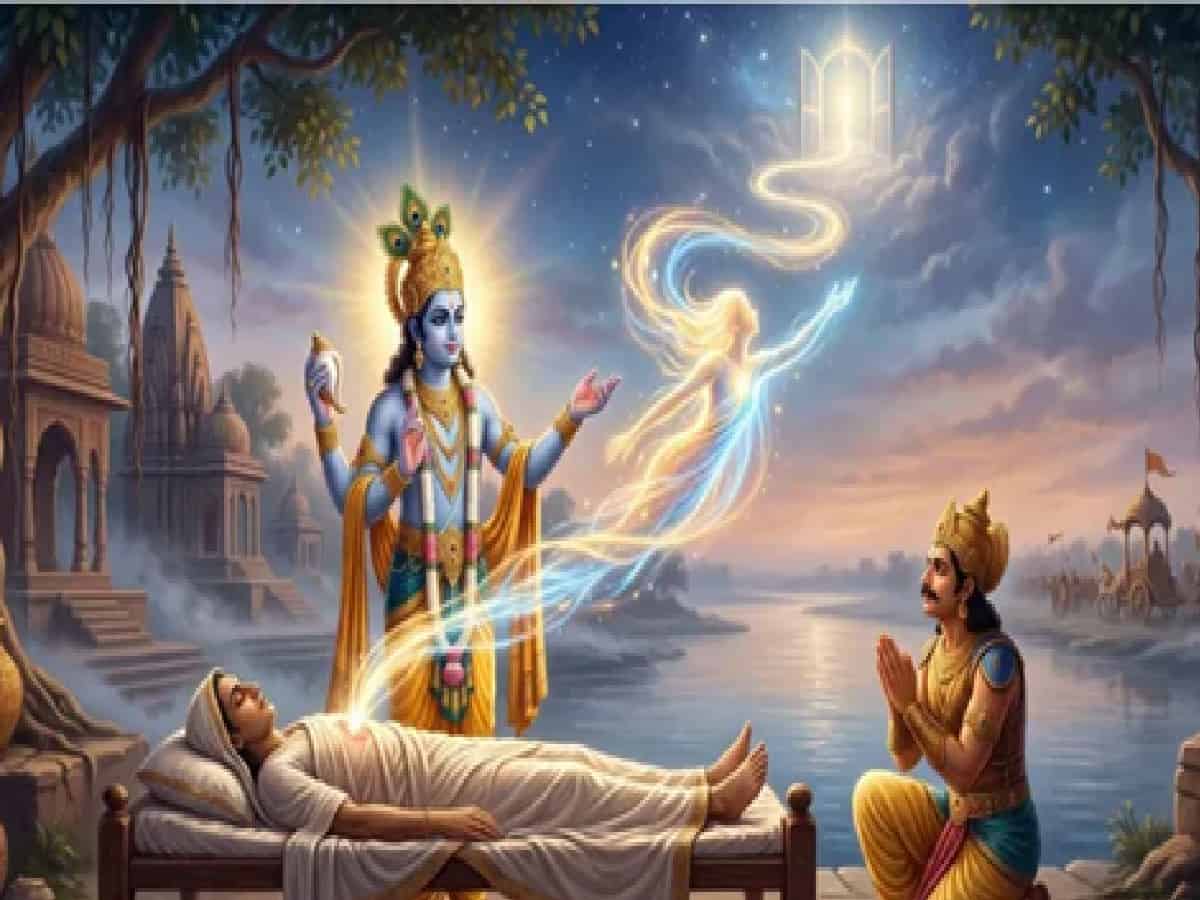
At the heart of Krishna’s teaching is the fundamental truth that the physical body is merely a temporary vessel. While the body may age, wither, and ultimately perish, the soul remains untouched and eternal. Krishna explicitly reassured Arjuna using the famous shloka: “Nainaam chhindanti shastraani nainaam dahati paavak...” This teaches us that no weapon can pierce the soul, no fire can burn it, no water can dampen it, and no wind can dry it. Death, in the eyes of the Gita, is not an end but a seamless transition—the soul merely sheds an old, worn-out body to inhabit a new one, much like a person changing clothes.
The Immutable Law Of Karma And Consequences
Lord Krishna emphasized that our journey after death is dictated entirely by our actions (Karma) performed during our time on Earth. The universe operates on a system of cause and effect; our virtuous deeds and sinful actions determine the state and the nature of the next birth. By framing the afterlife as a reflection of our earthly choices, Krishna transforms the concept of death from a moment of finality into a continuous journey of evolution. Earth, or the Prithvi Lok, is described as a Karmabhoomi—a land of action where every deed plants a seed for the future.
Why The Soul Remains Beyond Joy And Grief
During their discourse, Arjuna posed a pressing question: If the soul travels to heaven or hell to experience the results of its past deeds, does the soul itself feel happiness or sorrow? Lord Krishna’s response provided a liberating insight: The soul is inherently beyond the dualities of joy and suffering. These experiences are limitations of the body and the mind, which are bound by the ego. The soul, being indestructible and divine, remains an unaffected witness. It is only when we identify ourselves with the temporary physical frame that we experience the roller coaster of pain and pleasure; the soul, in its true essence, remains detached and peaceful.
By absorbing these timeless lessons from the Bhagavad Gita, we learn to shift our focus from the fleeting worries of our current life to the cultivation of noble actions and spiritual awareness, ultimately understanding that the soul's journey is one of infinite wisdom and eternal existence.