







Chhath Vrat Udyapan Method: How to Conclude the Fast Permanently
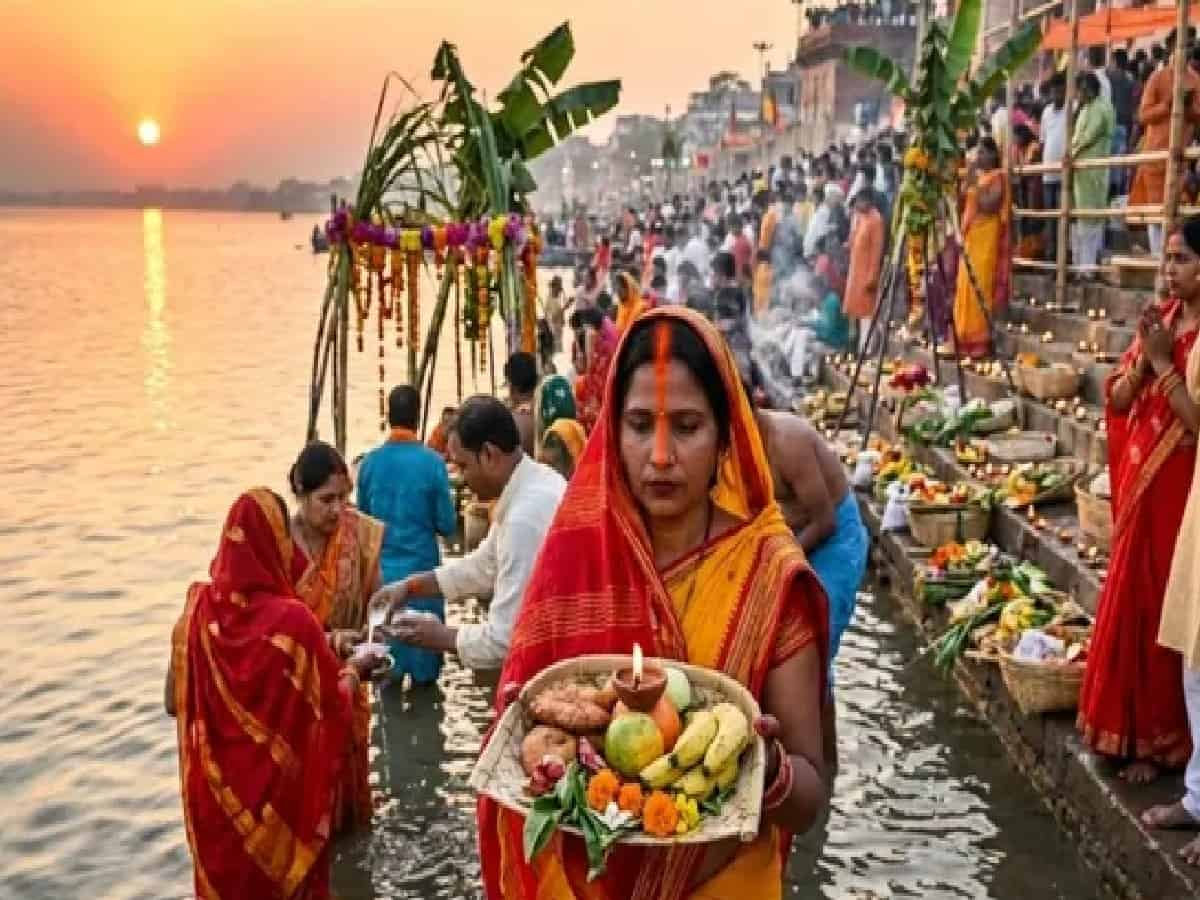
Celebrated across India and the global diaspora with unmatched austerity, purity, and spiritual discipline, Chhath Puja stands among the most sacred and demanding fasts in Hindu tradition. Both women and men observe this 36-hour nirjala fast year after year to express gratitude to Surya Dev (the Sun God) and Chhathi Maiya for health, family well-being, and prosperity. Yet as years pass, advancing age, chronic health conditions, or physical frailty often raise a deeply emotional question inside devout households: can a devotee permanently conclude (perform Udyapan of) the Chhath Vrat, and what is the scripturally proper way to do so? According to Pandit Amit Upadhyay of Gaya, Bihar, stopping a lifelong Chhath fast abruptly without proper ritual guidance is discouraged in folk and Vedic tradition; instead, devotees should follow a respectful, step-by-step conclusion either by passing the sacred mantle to the next generation or performing formal Udyapan with a qualified acharya. For fasting devotees (vratis), elders, and families across Lucknow, Varanasi, Gorakhpur, Prayagraj, Kanpur, Patna, Gaya, Muzaffarpur, Darbhanga, Ranchi, New Delhi, and Mumbai, understanding these traditional options brings both spiritual peace and cultural continuity.
Is It Necessary to Perform Udyapan Before Stopping Chhath Vrat
Unlike ordinary weekly fasts, Chhath Vrat is regarded as a solemn covenant of devotion, self-restraint, and gratitude toward Lord Surya and Chhathi Maiya. Pandit Amit Upadhyay explains that because a devotee undertakes this vrata with deep spiritual resolve (sankalpa), discontinuing it simply out of convenience or without formal closure leaves the ritual incomplete in spirit.
When genuine physical inability—such as old age or medical advice—prevents a devotee from standing in cold water or enduring a 36-hour waterless fast, religious tradition treats the situation with compassion rather than rigidity. Devotees are advised never to make a hurried or anxious decision, and instead choose between two time-honored, respectful pathways: transferring the Chhath Vrat within the family or performing a formal Vedic Udyapan.
Option 1: Passing the Chhath Vrat Mantle to a Daughter-in-Law or Daughter
In most traditional households across Bihar, Jharkhand, and eastern Uttar Pradesh, Chhath Puja is preserved as an unbroken generational heritage. If an aging mother or elder can no longer observe the fast, she may formally entrust the Chhath Vrat to a willing and capable woman in the family—most commonly her daughter-in-law (bahu) or daughter, or another close relative who agrees to uphold the discipline wholeheartedly.
| Pathway to Conclude Chhath Vrat | Key Ritual Procedure & Symbolic Action | Ideal Family Scenario |
| Generational Handover Within Family | Elder formally hands over the sacred soop (winnowing basket) and daala / daura to a willing daughter-in-law or daughter after Usha Arghya | When another family member is ready to continue the Chhath Puja tradition with full purity and devotion |
| Formal Udyapan Through a Qualified Pandit | Perform Sankalpa, Havan, and Kshama Prarthana under an acharya's guidance; respectfully immerse the puja soop in sacred river water | When no one in the family is able to carry forward the fast and the vrati wishes to conclude it permanently |
During the handover—typically performed after completing Usha Arghya on the final morning—the senior vrati blesses the younger woman and transfers the sacred soop and daala into her hands, praying to Chhathi Maiya to accept her successor's devotion with the same grace.
Option 2: Step-by-Step Formal Udyapan and Immersion of the Sacred Soop
If no younger member in the family is in a position to take over the fast, Pandit Amit Upadhyay advises consulting an experienced Pandit or Acharya rather than abandoning the vrata informally. Under the priest's guidance on the concluding day of Chhath Puja, the devotee performs formal puja, havan, and sankalpa, folding their hands before Surya Dev and Chhathi Maiya to humbly explain their physical limitations, seek forgiveness (kshama prarthana) for any inadvertent shortcomings over the years, and offer heartfelt thanks for granting the strength to observe the fast thus far.
Panditji highlights one crucial distinction at the ghat: whereas women continuing the fast carry their blessed soop back home after Usha Arghya, a devotee permanently concluding her Chhath Vrat without passing it to a successor respectfully immerses (visarjan) her soop and remaining puja items in the sacred river or pond after completing the Udyapan prayer—symbolizing a peaceful, dignified, and blessed completion of her lifelong vow.




