







Chhath Mahaparva Celebrated Twice a Year: Why Millions Observe Kartik Chhath
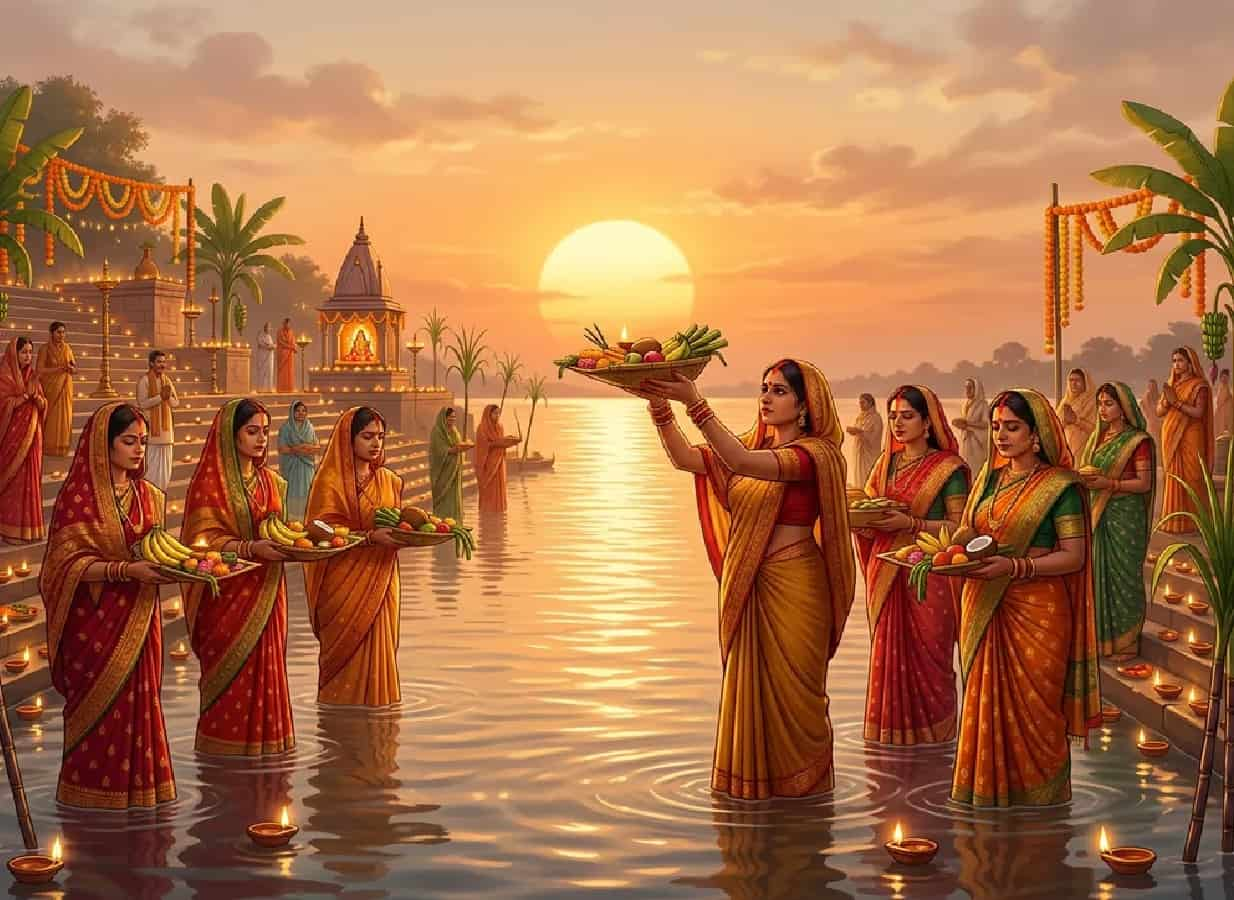
Chhath Mahaparva stands as one of the most spiritually rigorous observances in Hindu culture, deeply rooted across Bihar, Jharkhand, Eastern Uttar Pradesh, and celebrated by millions across the global Indian diaspora. Widely revered as the only Vedic festival where devotees offer prayers to both the setting and rising sun, the multi-day observance demands exceptional discipline, purity, and a grueling 36-hour waterless fast (Nirjala Vrat). What frequently surprises casual observers is that scriptural tradition ordains this worship of Lord Surya and Chhathi Maiya twice every lunar year—first in the month of Chaitra and again in the auspicious month of Kartik. With the upcoming Kartik Chhath 2026 set to begin on Friday, November 13, and conclude on Monday, November 16, preparations are underway across riverbanks, ghats, and households for the grandest solar festival of the season.
Chaitra vs Kartik: The Seasonal Science Behind India’s Dual Solar Observances
Although the ritual framework, Vedic hymns, and prasad offerings for both celebrations are completely identical, public participation in Kartik Chhath overwhelmingly surpasses that of its springtime counterpart, known regionally as "Chaiti Chhath." The stark difference in scale is primarily governed by seasonal and climatic realities. Chaiti Chhath falls during March or April, coinciding with the harsh onset of summer when soaring temperatures and long daylight hours make sustaining a continuous 36-hour fast without water physically daunting. In contrast, Kartik Chhath takes place in mid-November amidst the crisp, pleasant onset of North Indian winter. The cooler weather, reduced dehydration risks, and shorter daytime hours allow fasting devotees (vratis) to endure the physical austerities with greater comfort, elevating the Kartik observance into a monumental mass cultural phenomenon.
The Sacred Four-Day Chronicle: From Nahay Khay to the Concluding Usha Arghya
The spiritual trajectory of Chhath Mahaparva unfolds systematically across four sacred stages designed to purify the mind, body, and surroundings. The festival commences on Day 1 with Nahay Khay on November 13, where devotees take a purifying bath in holy rivers or sanctified water before preparing a strictly sattvic feast consisting of bottle gourd (lauki), Bengal gram (chana dal), and rice cooked in brass or clay utensils. Day 2 brings Kharna on November 14, where devotees observe an unbroken day-long fast, breaking it only after twilight prayers to Mother Earth with a sacred offering of jaggery-infused rice kheer (rasiya), rotis, and bananas. The festival reaches widespread community participation on Day 3 with Sandhya Arghya on November 15, as thousands gather at riverbanks at dusk to offer milk oblations and thekua baskets to the setting sun, followed by the nocturnal Kosi Bharai ritual under canopies of fresh sugarcane stalks illuminated by earthen diyas. The divine cycle concludes on Day 4 with Usha Arghya on November 16, where devotees stand waist-deep in water before sunrise to greet the first rays of the morning sun, finally breaking their fast with paran and sharing consecrated Mahaprasad with gathered worshippers.




